What Is Beer Made Of?
After a long work week, inviting friends over for a cold beer is a great way to relax. You laugh and talk. You enjoy that crisp drink. Yet the next morning, you might wonder why beer makes you drunk. More importantly, what is beer actually made from? If you are curious, keep reading. We will explain it all.

What Is Beer?
Beer is one of the oldest alcoholic drinks worldwide. It is very popular. Basically, it is a fermented drink. It uses a few key ingredients. Different combinations create many varieties. Hard liquor is distilled to increase alcohol content. But beer is made only through fermentation. Yeast turns sugars from grains into alcohol and carbon dioxide.
 |
Beer is also a versatile drink. You can find light types for summer. You can find dark brews for winter. Beer balances different flavors. Hops add bitterness. Grains add sweetness. Carbonation adds a subtle fizz. This balance appeals to many people. Knowing what beer is helps you appreciate it more.
Is Beer Tasty?
Whether beer tastes good depends on you. Many people enjoy its taste. First-time drinkers often find it crisp. They find it thirst-quenching. Others enjoy its complex flavors. These can include fruity notes. They can include floral or nutty notes. Some beers even taste chocolatey.
Beer pairs well with food. A light lager goes with pizza. It goes with burgers. A rich stout complements chocolate dessert. It also complements grilled meats. Carbonation cuts through fatty foods. It cuts through spicy foods. This makes beer a popular meal companion.
Not everyone likes beer immediately. Some find it bitter from hops. Some find it too heavy. But many styles exist. Wheat beers are soft. They are cloudy. Fruit-infused sours are tangy. There is likely a beer for everyone. It is about finding the style you like.
|
What Is Beer Made Of?
Beer requires four main ingredients. After brewing, it is bottled or canned. Here is a simple breakdown.
Grains
Grains are the backbone of beer. They provide the sugars for fermentation. Barley is the most common grain. Brewers often use malted barley. The barley is soaked. It is germinated and dried. This process activates enzymes. These enzymes turn starches into sugar. Other grains are sometimes added. These include wheat, corn, or rice. They lighten the flavor. They can smooth the texture. Wheat beers are cloudy and soft. Corn or rice makes lagers crisper.
Hops
Hops are cone-shaped flowers. They give beer its bitterness. They also add aroma. The aroma can be like citrus or pine. Hops act as a natural preservative. Brewers add hops at different stages. Early addition creates bitterness. Late addition boosts aroma. Without hops, beer would be too sweet.
Yeast
Yeast is the engine of beer making. This microorganism turns sugars into alcohol. It also creates carbon dioxide. Carbon dioxide creates the fizz. There are two main types. Ale yeast ferments at warmer temperatures. It produces fruity flavors. It can produce spicy flavors. Lager yeast ferments cooler. It creates clean tastes. It creates crisp tastes. Yeast choice greatly affects the final beer.
Water
Water is a crucial ingredient. Beer is about 90% water. The water’s mineral content affects flavor. Its purity affects texture and color. Hard water has high minerals. It makes beer more bitter. It makes beer full-bodied. Soft water makes beer lighter. Brewers often adjust their water. They do this to match a specific beer style.
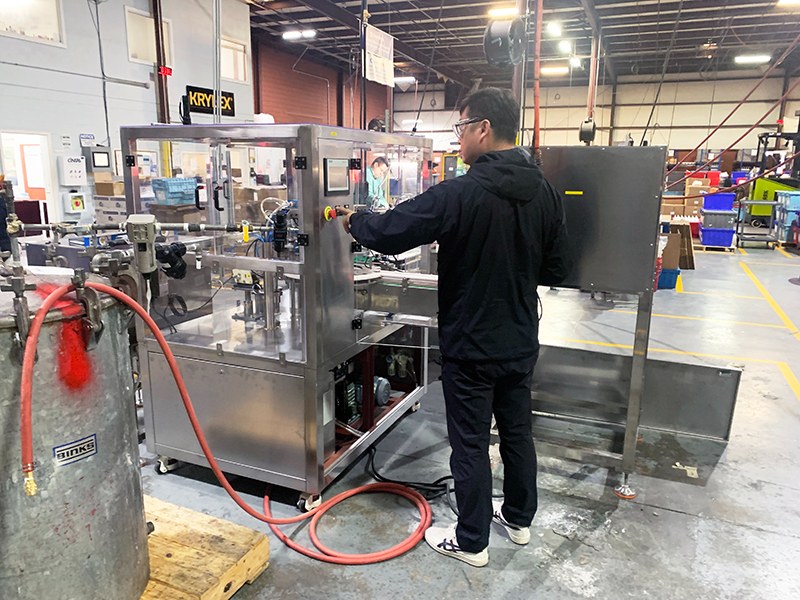
These four ingredients are combined. They are fermented. Then the beer is filtered. It is carbonated. Finally, it is packaged by beer filling machine. Then it is ready to enjoy.

What Flavors Does Beer Come In?
Beer offers many flavors. Different grains create variety. Different hops, yeast, and added ingredients also create variety. Common flavors include:
Crisp and Light: Lagers or pilsners. They are clean and refreshing. They are slightly sweet. They have minimal bitterness. They are perfect for hot days.
Fruity and Floral: Many ales, like IPAs. Wheat beers also fit here. Aromatic hops create notes of citrus. Yeast can create berry or flower notes.
Nutty and Malty: Amber ales or brown ales. They focus on malt sweetness. Flavors include caramel. They include nuts or toast.
Rich and Roasty: Stouts and porters. These dark beers use roasted grains. Flavors include chocolate. They include coffee or smoke. They are creamy and full-bodied.
Tangy and Sour: Sour beers. Additional bacteria create a tart flavor. Wild yeast can too. Some are infused with fruit like raspberries.
Draft Beer vs. Bottled Beer: Which Tastes Better?
Draft and bottled beer each have advantages. The better choice depends on freshness. It depends on convenience and your preference.
Draft beer is often fresher. It is stored in sealed kegs. These kegs keep oxygen out. Oxygen can make beer taste stale. When poured well, draft beer has a good foam head. This enhances its aroma. It improves mouthfeel. Many enjoy its smooth texture. This is especially true when served at the right temperature.
Bottled beer is convenient. You can buy it at stores. You can keep it at home. Bottles protect beer from light. They protect it from oxygen. Some styles improve in the bottle over time. Aged stouts are an example.
So, which is better? For freshness, choose draft. For a pub experience, choose draft. For convenience, choose bottled. For variety, choose bottled. It depends on where you are. It depends on what beer you want. It depends on what you value.

Is Beer High in Alcohol?
Compared to wine or liquor, beer usually has lower alcohol content. This makes it popular for casual drinking. Most standard beers are 3% to 7% alcohol by volume (ABV). Light lagers are often 4-5% ABV. IPAs might be 6-7% ABV.
Consider this perspective. A 12-ounce beer at 5% ABV equals a 5-ounce glass of wine at 12% ABV. It also equals a 1.5-ounce shot of vodka at 40% ABV. Beer is not "high" in alcohol. But you can still get drunk if you drink too much.
Some craft beers have higher ABV. These range from 8% to 15% or more. These are meant to be sipped slowly. Check the label if you are monitoring alcohol intake. Beer's moderate alcohol content makes it approachable. Always drink responsibly.
What Happens When You Drink Too Much Beer?
Drinking too much beer has effects. These are short-term and long-term.
Short-term, the obvious effect is intoxication. Symptoms include dizziness. They include slurred speech. Poor judgment and loss of coordination occur. You may feel nauseous. You may get a headache. Beer is a diuretic. It causes dehydration. The next day, a hangover may occur. This includes headache and fatigue. It includes dry mouth and stomach pain.
Binge drinking can cause alcohol poisoning. This is life-threatening. Symptoms are confusion and vomiting. Slow breathing and loss of consciousness occur. Seek medical help immediately if these happen.
Long-term heavy drinking has serious health risks. Beer is high in calories. A 12-ounce can has about 150 calories. Over time, this can lead to weight gain. It strains the liver. The liver breaks down alcohol. This strain can cause fatty liver. It can cause hepatitis or cirrhosis. Heavy drinking can raise blood pressure. It can increase heart disease risk. It can harm sleep and mental health.
Moderate consumption is generally safe. For most adults, that means one drink daily for women. It means two for men. Some studies suggest minor heart benefits. The key is balance. Enjoy beer without overdoing it. |

|
Does Beer Have a Shelf Life?
Yes, beer has a shelf life. Most beers are best fresh. Unlike wine, beer usually does not improve with age.
Bottled or canned beer has a "best by" date. This is typically 6-12 months from brewing. Beer is not unsafe after this date. But its flavor fades. Light beers and lagers last 6-8 months. They are more delicate. Dark beers like stouts can last 12 months or more.
Draft beer has a shorter shelf life. Once tapped, a keg should be used in 2-3 days. Oxygen enters and makes the beer stale quickly. Fresh kegs taste best.
Storage matters. Keep beer in a cool, dark place. Heat and light spoil the flavor. Do not store beer in sunlight. Do not store it near heat. Do not freeze it. Once opened, drink beer within a day or two. Exposure to oxygen makes it flat.
Beer is a simple, fascinating drink. It is made from grains, hops, yeast, and water. It is made through fermentation. Understanding its ingredients helps you appreciate each sip more.
Next time you open a beer, think about the ingredients that made it. Try a new style. You might find a new favorite. Cheers!