Is Beer Good for You? The Science, Benefits, and Risks
People have loved beer for a long time. It is part of parties, religious events, and daily life. But the question stays: is beer good for you? The answer has layers. There are possible health benefits. There are also real risks. This article looks at the science of how beer affects the body. It goes from old times to new brewing methods. It helps you make smart choices about drinking.
A Brief History: When Was Beer Invented?
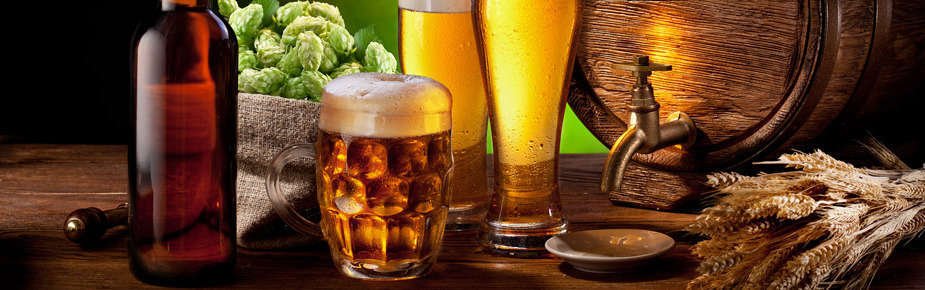
To see beer's role in health, we must know how old it is. When was beer invented? Old proof puts beer's start around 3400-3500 BCE in Mesopotamia. This makes it one of the oldest drinks people made. Old cultures did not just drink beer for fun. They saw it as a source of food and water. Egyptian workers got beer every day. Monks in the Middle Ages brewed "small beer" with low alcohol. It was safer than dirty water. This history reminds us that beer's link to health is very old.
What Is Beer Made Of? The Building Blocks
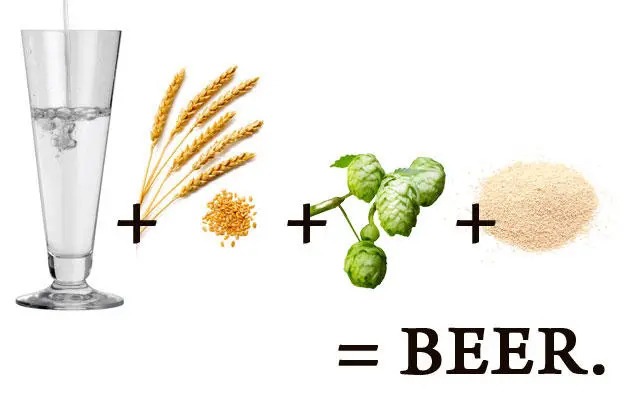
Knowing what is beer made of is key to judging its health effects. The four main parts are:
|
|
|
• Water: This is the main part. It makes over 90% of beer.
• Malted Grains: Barley is the most common. It gives the sugars for fermentation. It also has fiber, vitamins, and minerals.
• Hops: These flowers add bitterness, smell, and natural preservatives.
• Yeast: This tiny thing turns sugars into alcohol and carbon dioxide.
|
These parts have active compounds. Barley has beta-glucans, a type of fiber, and polyphenols. Hops have flavonoids. These have antioxidant properties. Yeast makes B vitamins. Even the alcohol has complex effects on the body.
How to Make Beer: A Quick Overview
The steps of how to make beer are simple. You mash the grains to get the sugars. You boil it with hops for taste and to keep it fresh. You ferment it with yeast. Then you let it rest and pack it. Each step changes the final nutrition. The length of fermentation affects how much alcohol is in beer. The choice of grains changes the fiber and mineral content. New breweries use precise tools like the beer filling machine to pack beer. They limit oxygen to save both taste and helpful compounds.
The Potential Benefits: What the Research Says
|
Drinking a moderate amount of beer has been linked to some health pluses. "Moderate" means one 12-ounce beer per day for women and up to two for men. Going over this changes the balance a lot.
1. Cardiovascular Health: Many studies show that moderate drinking, including beer, is linked to lower heart disease rates. This happens because it raises "good" cholesterol, lowers swelling, and stops clots. Some research says the polyphenols in beer help. These are like the ones in red wine.
|
|
|
2. Bone Health: Beer has silicon. This mineral helps bone density. Some studies found that moderate beer drinkers have stronger bones than non-drinkers. But heavy drinking does the opposite. It raises the risk of broken bones.
3. Kidney Stone Reduction: A big Finnish study found that moderate beer drinking was linked to a 40% lower risk of kidney stones. The high water content keeps you hydrated. Compounds in hops may stop crystals from forming.
4. Cognitive Function: Some research says moderate drinkers have a lower risk of dementia and memory loss. This is compared to both non-drinkers and heavy drinkers. The reasons are not fully known. It may involve better blood flow to the brain.
5. Nutrient Content: Beer has small amounts of B vitamins, especially B6 and niacin. It also has magnesium, potassium, and selenium. It is not a replacement for a good diet. But it adds to your total nutrient intake.
The Risks: Why Beer Isn't a Health Food
|
|
|
Beer has possible pluses. But it also has real risks. This is very true when you drink too much.
1. Weight Gain: Beer has a lot of calories. A normal 12-ounce beer has about 150 calories. Higher-alcohol craft beers can go over 300 calories. Drinking it often can lead to a "beer belly" and obesity.
|
2. Liver Disease: Even moderate drinking puts stress on the liver. Heavy drinking leads to fatty liver, swelling, and scarring. The risk goes up with how much and how often you drink.
3. Addiction and Dependence: Alcohol is addictive. For some people, moderate drinking turns into problem use. This hurts relationships, work, and health.
4. Cancer Risk: Drinking alcohol is linked to a higher risk of several cancers. These include breast, colon, liver, and throat cancer. The risk exists even at moderate levels. It goes up with more drinking.
5. Medication Interactions: Beer can react with many drugs. These include blood thinners, antidepressants, and diabetes drugs.
Understanding Alcohol Content: How Much Alcohol Is in Beer?
|
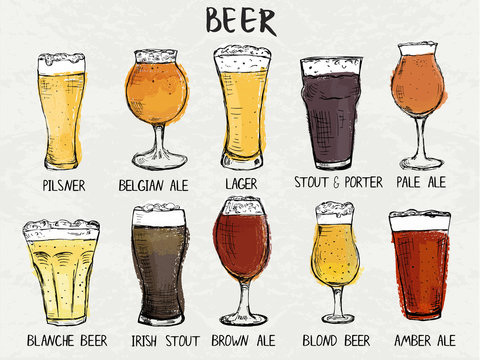
The health effect of beer is tied to how much alcohol is in beer. Alcohol levels vary a lot.
• Light beers: 3-4% ABV
• Standard lagers and ales: 4.5-5.5% ABV
• IPAs and stronger ales: 6-7.5% ABV
• Double IPAs and imperial stouts: 8-12% ABV or more
Lower-alcohol beers have fewer calories and less risk per serving. If you want possible health pluses, a 4% ABV lager is better than a 10% imperial stout.
|
|
|
Shelf Life and Freshness: Does Beer Expire?
The health and taste of beer depend on how fresh it is. So, does beer expire? Beer does not become unsafe like milk. The alcohol and low pH stop harmful germs. But does beer go bad in terms of taste? Yes, it does. Hop smells fade. Oxygen makes stale, cardboard tastes. Light makes a "skunky" bad flavor.
This leads to another question. How long does beer last? The answer depends on the style.
• Hop-forward IPAs: Best within 3-6 months
• Light lagers: 4-6 months
• Stouts and porters: 6-12 months
• High-alcohol beers: 1-3+ years with good storage
The beer filling machine plays a key role in shelf life. It pushes air out with CO2. It limits oxygen during filling. This helps save the beer's intended taste and any helpful compounds. Storing it in a cool, dark place also keeps it fresh longer.
The Role of the Beer Filling Machine in Quality
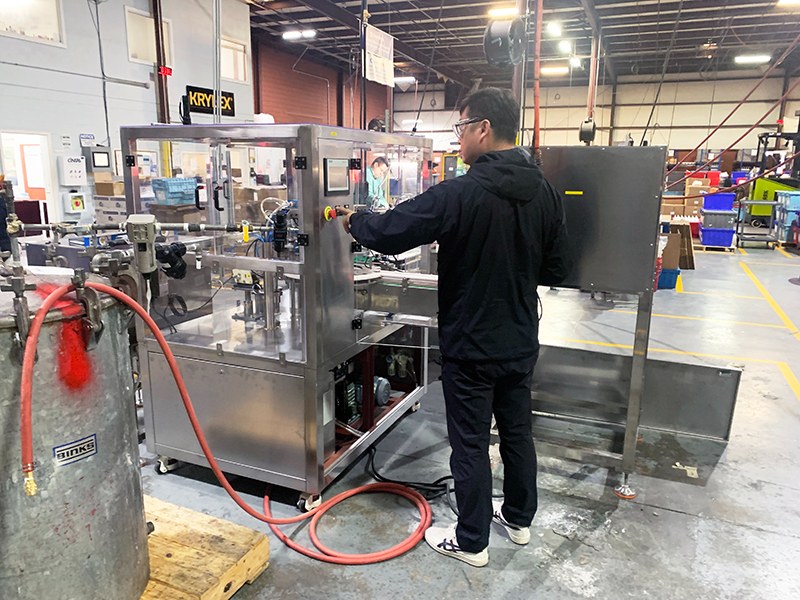
|
|
|
Every quality beer comes from precise machines. The beer filling machine is the quiet hero of brewing. It fills bottles or cans with exact amounts. It keeps oxygen out. This is key for saving both taste and any health pluses. A badly filled beer will go stale fast. It loses the delicate hop compounds that give antioxidant properties. So the beer filling machine indirectly affects the health potential of the final drink.
|
Putting It All Together: Is Beer Good for You?
The evidence suggests that moderate beer drinking may have some health pluses. These are for heart health, bone density, and kidney stone prevention. But you must weigh these against real risks. These include addiction, cancer, and liver disease. Also, you can get any possible pluses from other things without the risks. A good diet, exercise, and water all help.
For people who already drink beer, the key is moderation. One drink per day for women and up to two for men seems to be the range where pluses may outweigh risks for some people. Going over this often tips the scale toward harm.
Some people should not drink alcohol at all. These include pregnant women, people with liver disease, those on certain drugs, and anyone with a history of alcohol dependence.
Conclusion: A Nuanced Answer
So, is beer good for you? The answer is not a simple yes or no. Beer has helpful compounds from barley, hops, and yeast. Moderate drinking is linked to some health pluses. But it is not a health food. The risks of heavy drinking are big. These include addiction, liver disease, cancer, and weight gain. The beer filling machine may keep it fresh. Knowing how much alcohol is in beer helps with moderation. But the final choice rests on your own health, goals, and drinking habits. From its old start, asking when was beer invented, to its modern making, knowing how to make beer and what is beer made of, beer is still a drink best enjoyed with knowledge and restraint. Cheers to that, in moderation.