Is Beer Good or Bad for You?
Beer is a favorite drink for many adults. People often enjoy a bottle after work or with dinner. On weekends, friends may gather to drink beer together. If you like beer, you might wonder: is it good or bad for you? The following content will explain.
The Main Ingredients of Beer
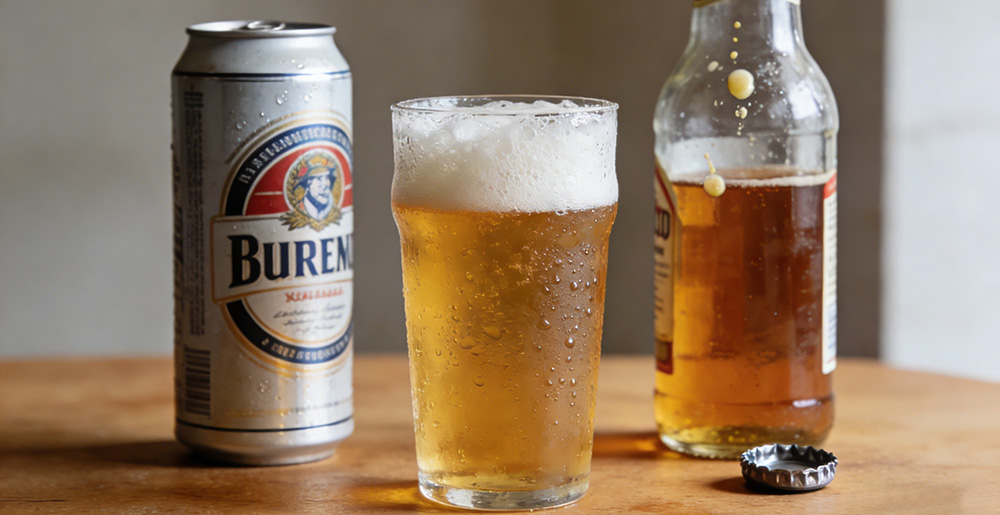
You may drink beer, but what is beer made of? Beer comes from a few basic ingredients. Water is the main one, making over 90% of beer. Breweries use pure water for a clean taste.
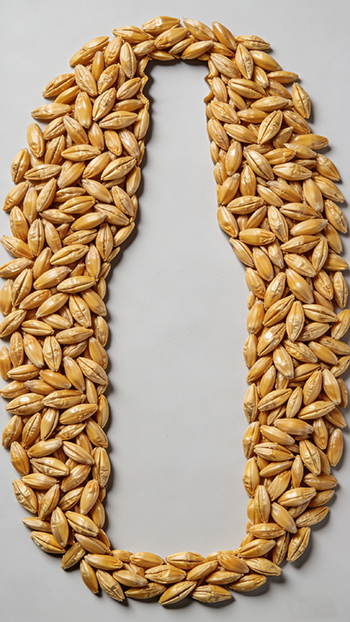
Malted barley is the core ingredient. It provides sugar for fermentation. The malt gives beer its color and sweetness. Some beers use wheat or rice, but barley is most common.
Hops and yeast are also key. Hops add bitterness and aroma. They balance the sweetness. Yeast turns sugar into alcohol and carbon dioxide. This creates the alcohol and bubbles in beer.
The Nutritional Components of Beer
Beer contains various nutrients from its ingredients. The amounts are small but can supplement your diet. Carbohydrates are a main part. They come from unfermented malt sugar and provide quick energy. Dark beers often have more carbs than light beers.
Beer has a little protein from barley and yeast. The brewing process breaks protein into small molecules. Beer also has B vitamins like B1, B2, B6, and folic acid. These help with energy metabolism.
Minerals such as potassium, magnesium, and phosphorus are present too. Potassium helps regulate blood pressure. Magnesium supports muscles and nerves. But beer cannot replace nutritious foods like fruits and vegetables.
|
 |
How Many Calories Does Beer Contain?
Beer's calorie content worries many people, especially those managing weight. Calories come from alcohol and sugar. More alcohol and sugar mean more calories. A standard 12-ounce regular beer has 150-200 calories. Lager has 160-180 calories. Stout or porter has 180-220. Light beer has 90-120 calories per 12 ounces.
To understand, one regular beer equals a small slice of bread or a medium banana in calories. Drinking several beers adds calories quickly. Three lagers have 480-540 calories. This is a large part of a daily adult intake.
Alcohol provides 7 calories per gram. Carbohydrates provide 4 calories per gram. So, drinking less beer helps control calorie intake.
The Good of Beer
1. May help heart health. Moderate drinking is linked to a lower risk of heart disease. Beer has antioxidants called polyphenols. They reduce inflammation and protect blood vessels. Moderate drinking may also raise good cholesterol.
2. Can improve digestion. Beer's fermentation creates dietary fiber and probiotics. These help grow good gut bacteria. They speed up digestion and may reduce constipation.
3. Relieves stress. A beer in a relaxed setting can ease stress. The small amount of alcohol has a mild calming effect. It soothes the nervous system. This only works with moderate drinking.
4. Provides trace nutrients. Beer contains B vitamins, potassium, and magnesium. These support basic body functions like energy use and nerve signals.
5. May lower some disease risks. Moderate beer drinking might reduce the risk of type 2 diabetes and kidney stones. Polyphenols can improve insulin sensitivity. The water in beer helps flush out minerals that form stones.
The Bad of Beer
1. Harms the liver. The liver breaks down alcohol. Too much beer overloads the liver. Over time, this can cause fatty liver, hepatitis, or cirrhosis. More drinking means higher risk.
2. Causes dehydration. Alcohol is a diuretic. It makes the body lose water through urine. Too much beer leads to dehydration. Symptoms include dry mouth, tiredness, dizziness, and headache. This is why people feel thirsty after drinking.
3. Affects sleep. Alcohol might make you sleepy fast, but it ruins sleep cycles. Beer before bed reduces deep sleep time. Deep sleep is needed for body recovery. Poor sleep makes you tired the next day.
4. Leads to weight gain. Beer is high in calories and carbs. Long-term excess drinking causes a calorie surplus. Extra calories become body fat. Fat often builds around the abdomen, called a "beer belly." This raises obesity risk.
5. Impairs thinking. Too much beer affects brain function. It hurts memory, focus, and decision-making. Short-term effects include slurred speech and poor coordination. Long-term heavy drinking may cause permanent brain damage and raises accident risks.
Who Should Not Drink Beer?
Beer is not for everyone. Some people should avoid it completely. Pregnant and breastfeeding women must not drink. Alcohol reaches the fetus or baby. It can cause birth defects and growth problems.
 |
Minors should not drink. Their brains and bodies are still developing. Alcohol can cause lasting harm. It increases risks of addiction, mental illness, and poor school performance.
People with liver or kidney disease must avoid beer. Damaged livers cannot process alcohol normally. This worsens their condition. Alcohol also strains the kidneys.
People with alcohol addiction should not drink. Even a little beer can trigger cravings and relapse. Those on certain medicines like antibiotics or antidepressants should avoid beer. Alcohol can interact badly with drugs.
Will Long-Term Beer Drinking Cause a Beer Belly?
Many believe long-term beer drinking causes a beer belly. This is partly true. A beer belly is abdominal fat linked to long-term heavy drinking. Lifestyle also matters. Beer has many calories. Daily heavy drinking leads to extra calories. The body stores these as fat, often in the belly, especially for men.
|
Alcohol affects fat metabolism. It slows fat breakdown. This makes it harder to burn fat and speeds up belly fat storage. People who drink beer often eat high-calorie snacks too. This adds more weight gain risk.
But not all beer drinkers get a beer belly. Moderate drinking, a balanced diet, and regular exercise can prevent it. Only long-term excess drinking and bad habits greatly increase the risk.
Difference Between Homemade Beer and Commercial Beer
Homemade beer is brewed at home with small equipment. Its biggest advantage is custom taste. You can change hop and malt amounts for different bitterness and sweetness. This makes it personal. Home brewers can pick high-quality ingredients. They can avoid preservatives and artificial flavors. This makes it more natural.
But home brewing takes much time and effort. The whole process takes weeks. Quality can vary. Home conditions make it hard to control temperature and fermentation time. Each batch may taste different.
Also, homemade beer has no preservatives. Its shelf life is short. You must drink it within months.
Commercial beer is made in large breweries with industrial equipment. A beer filling machine is key. It fills bottles, cans, or barrels quickly and cleanly. This allows mass production for the market.
Commercial beer has stable quality. Breweries have strict controls. Each batch has the same taste, color, and alcohol content. They add preservatives to extend shelf life. This makes transport and storage easy.
But some commercial beers add artificial flavors or sweeteners to cut costs. Compared to homemade beer, it tastes more "standard." It lacks the personal touch some beer lovers enjoy.
Beer's effect depends on how much you drink and your health. Moderate drinking offers some benefits. Excessive drinking causes serious harm. Knowing your limit is crucial.
If you are in a group that should not drink, avoid beer completely. If you enjoy beer, maintain a healthy lifestyle. Eat balanced meals and exercise regularly. This can help reduce beer's negative effects.