
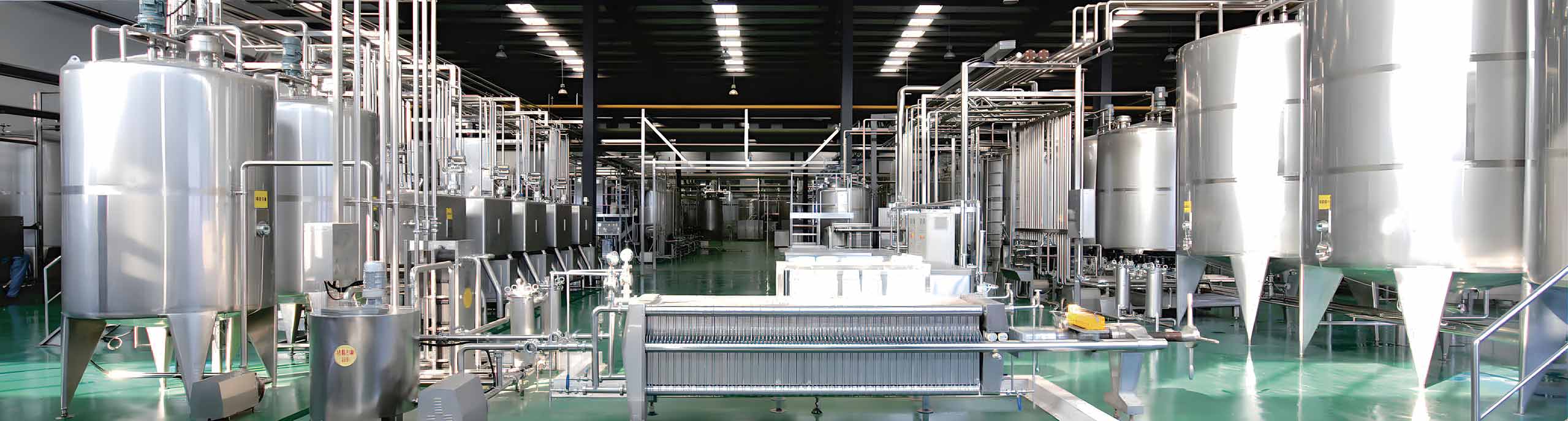
1. Why Pretreatment Is the Foundation of Carbonated Drink Quality
2. Step-by-Step Breakdown of the Pretreatment Process
3. Common Pretreatment Problems and How to Solve Them
4. Integrating Pretreatment with the Rest of the Production Line
5. Conclusion: The Long-Term Value of Proper Pretreatment
Complete Guide to Carbonated Beverage Pretreatment: From Sugar Melting to CIP Cleaning
This guide provides a practical overview of syrup pretreatment—the critical first stage in any carbonated soft drink manufacturing operation. The following sections walk through eight essential equipment components in sequence, from sugar melting to CIP sanitation. Whether you are designing a new carbonated soft drink production line or troubleshooting an existing one, this guide offers a clear, step-by-step reference for building consistent product quality from the ground up.
Why Pretreatment Is the Foundation of Carbonated Drink Quality
In carbonated soft drink manufacturing, the quality of the syrup base determines the final product's clarity, taste stability, and shelf life. If the pretreatment stage fails—due to incomplete sugar dissolution, particle residues, or incorrect syrup concentration—no amount of advanced carbonation can fix the issue. Off-flavors, sedimentation, or microbial growth in the final bottle often trace back to poorly controlled pretreatment steps.
A well-designed carbonated drink production line begins with a robust pretreatment section. When this section operates correctly, the subsequent mixing and filling processes can perform at peak efficiency, producing a stable and consistent product.
Key objectives of pretreatment:
• Complete sugar dissolution without caramelization
• Removal of solid impurities and undissolved crystals
• Precise control of sugar concentration (Brix)
• Microbiological safety before carbonation
• Temperature reduction for optimal CO₂ solubility
• Equipment hygiene between production batches
Step-by-Step Breakdown of the Pretreatment Process
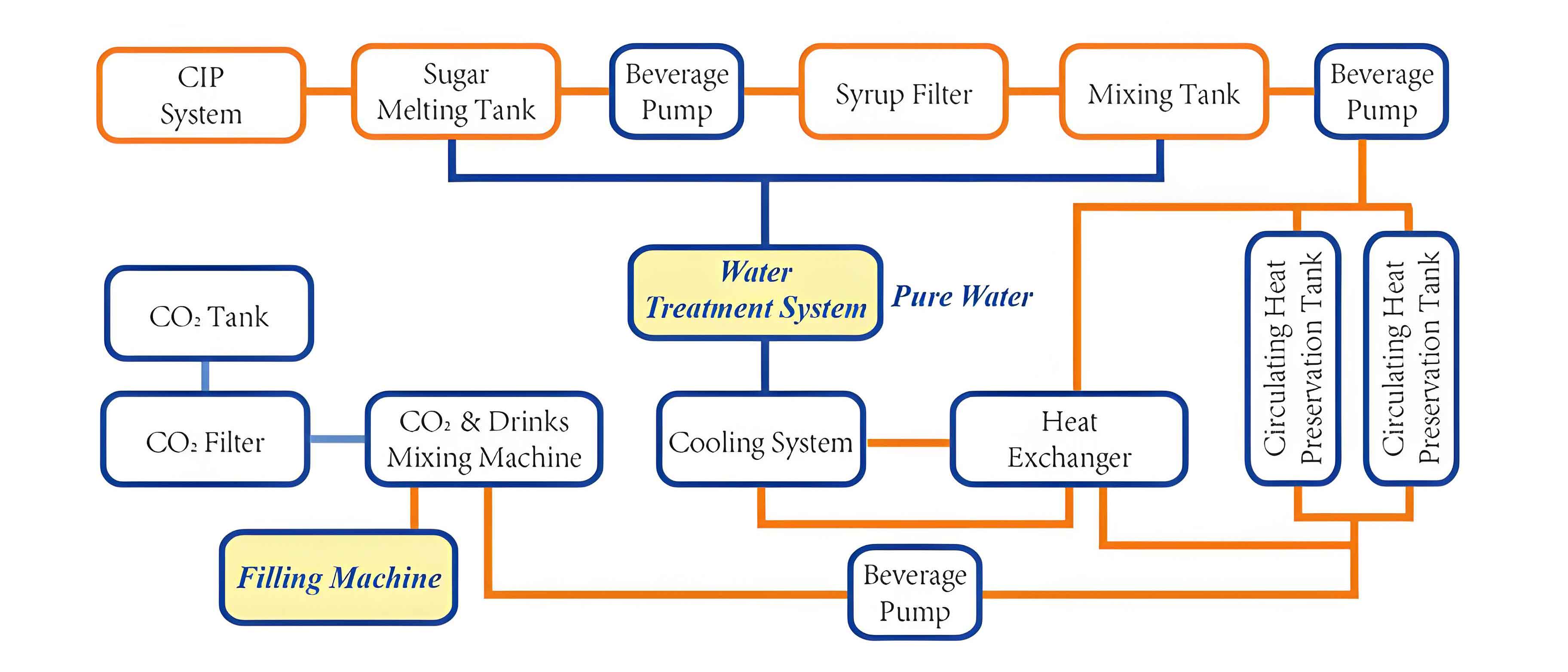
The following eight equipment components work in sequence to transform raw sugar and water into a pure, chilled syrup ready for carbonation. Each component has a specific function, and failure in any single unit can compromise the entire batch. Together, they form the heart of any carbonated beverage production line.
Sugar Melting Pot
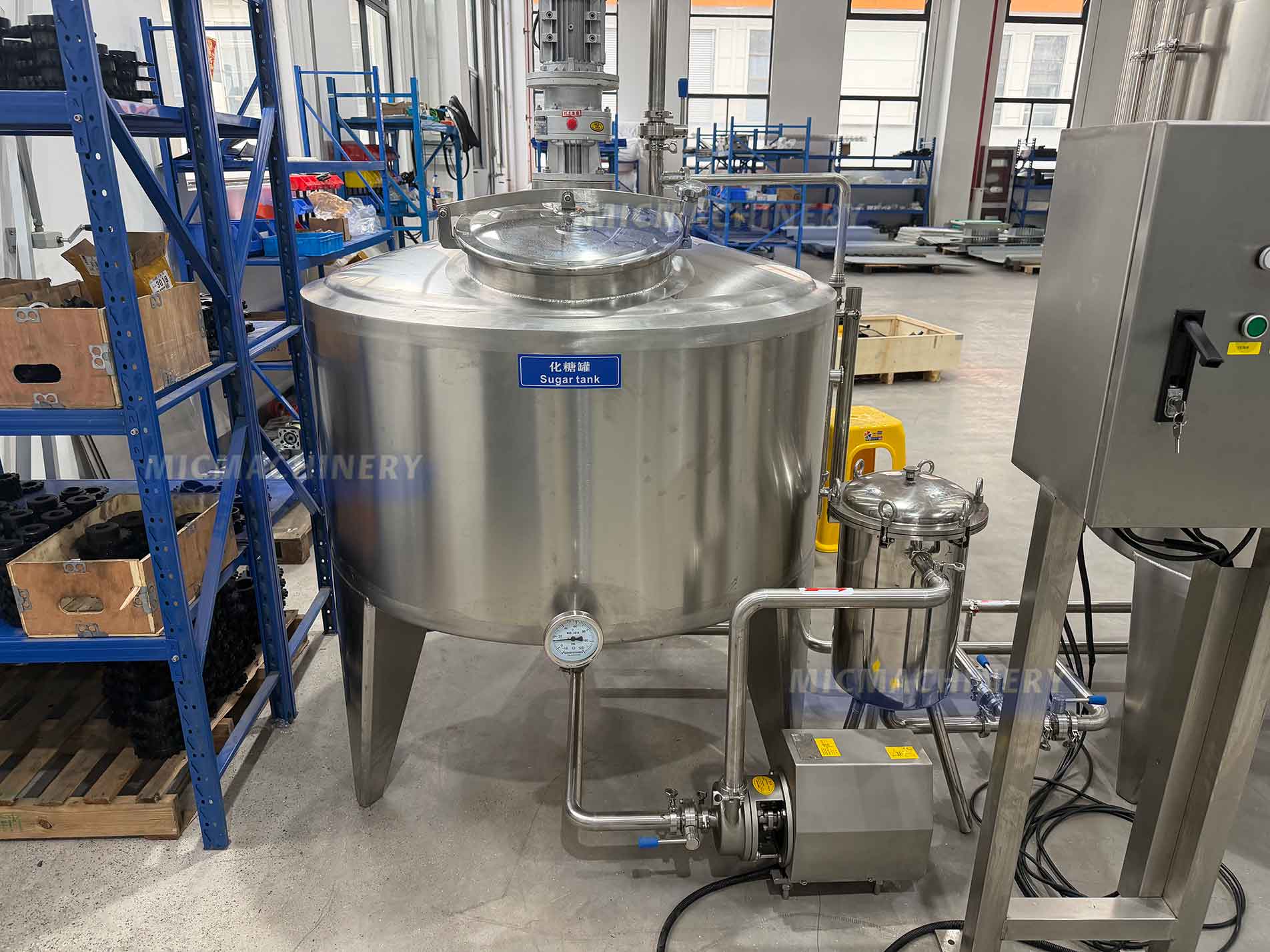
The process begins in the sugar melting pot, where granulated sugar is dissolved in hot, deionized water under controlled temperature and agitation. Typical operating temperatures range from 70°C to 85°C (158°F to 185°F). The vessel must prevent scorching, as burnt sugar residues cause off-flavors and downstream fouling.
|
Design considerations for the melting pot:
• Jacketed heating to avoid direct contact between heating elements and sugar • Stainless steel construction (304 or 316L) for corrosion resistance and hygiene • Agitator design that promotes complete dissolution without excessive foaming • Level sensors to prevent dry running or overflow
Common problems at this stage include undissolved sugar lumps (often called "fisheyes") and caramelization. Both can be minimized by maintaining precise temperature control and sufficient agitation time—typically 15 to 20 minutes per batch. |
|
 |
Syrup Filter
After melting, the concentrated syrup passes through a syrup filter—typically a bag or cartridge filter—to remove insoluble impurities, undissolved crystals, and any foreign particles picked up during handling. Filtration fineness usually ranges from 20 to 50 microns, depending on the final product’s clarity requirements.
|
|
|
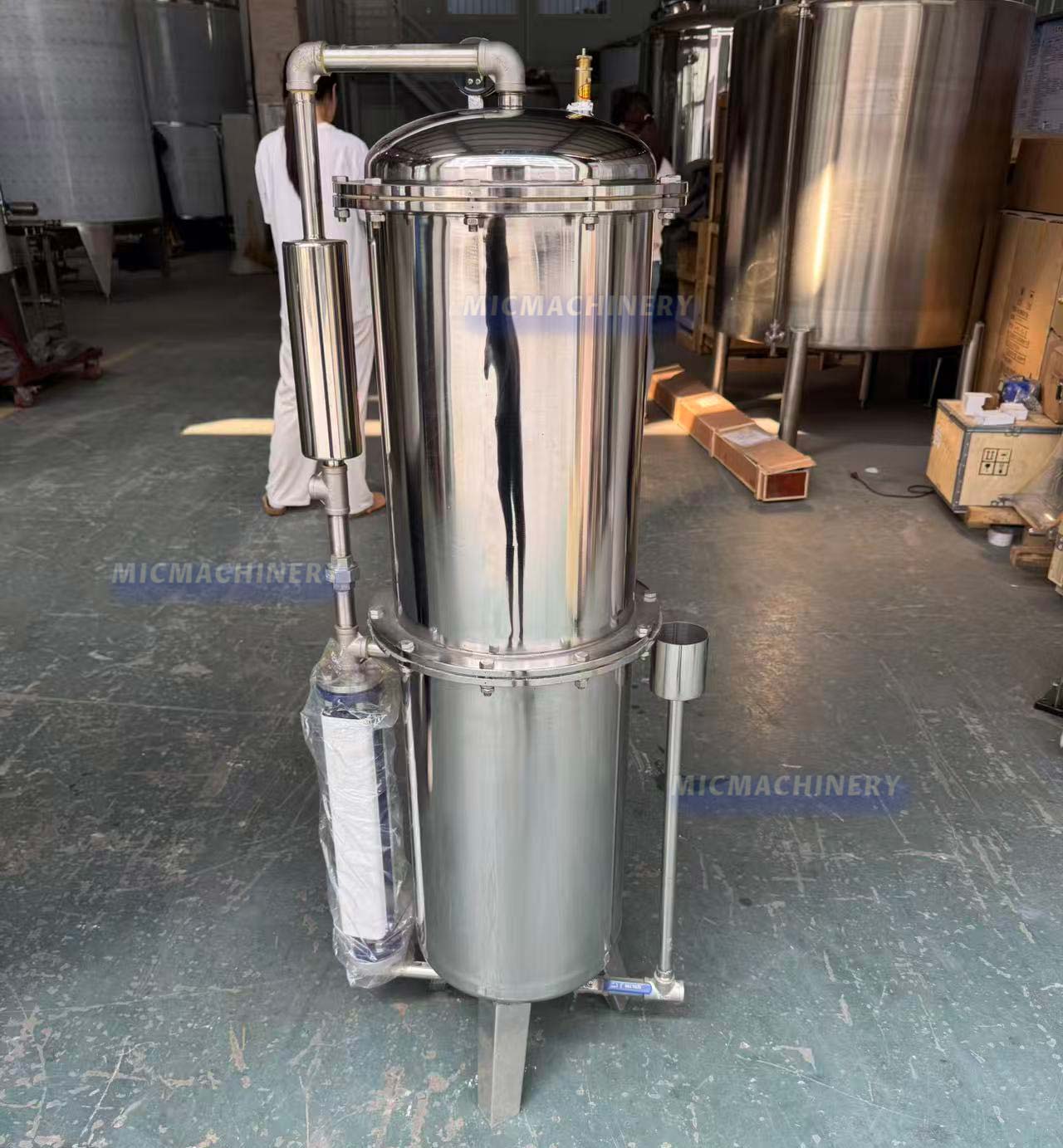
The syrup filter is made of high-quality stainless steel 304 and features a high-temperature resistant filter membrane. The entire machine adopts a stainless steel skeleton, which ensures durability and hygiene. This filter effectively removes tiny impurities from the syrup, producing filtered syrup that is clear, free of odors, and free of debris. The robust construction guarantees long-term reliability under continuous operation.
Why this step matters:
• Protects downstream equipment like pumps and mixers from abrasive wear • Prevents nozzle clogging in filling machines • Improves final drink clarity, especially important for clear sodas
Some facilities use a double-stage filter here: a coarse mesh (100 mesh) followed by a finer cartridge (20 microns). This extends filter life while maintaining consistent flow rates. |
Beverage Pump
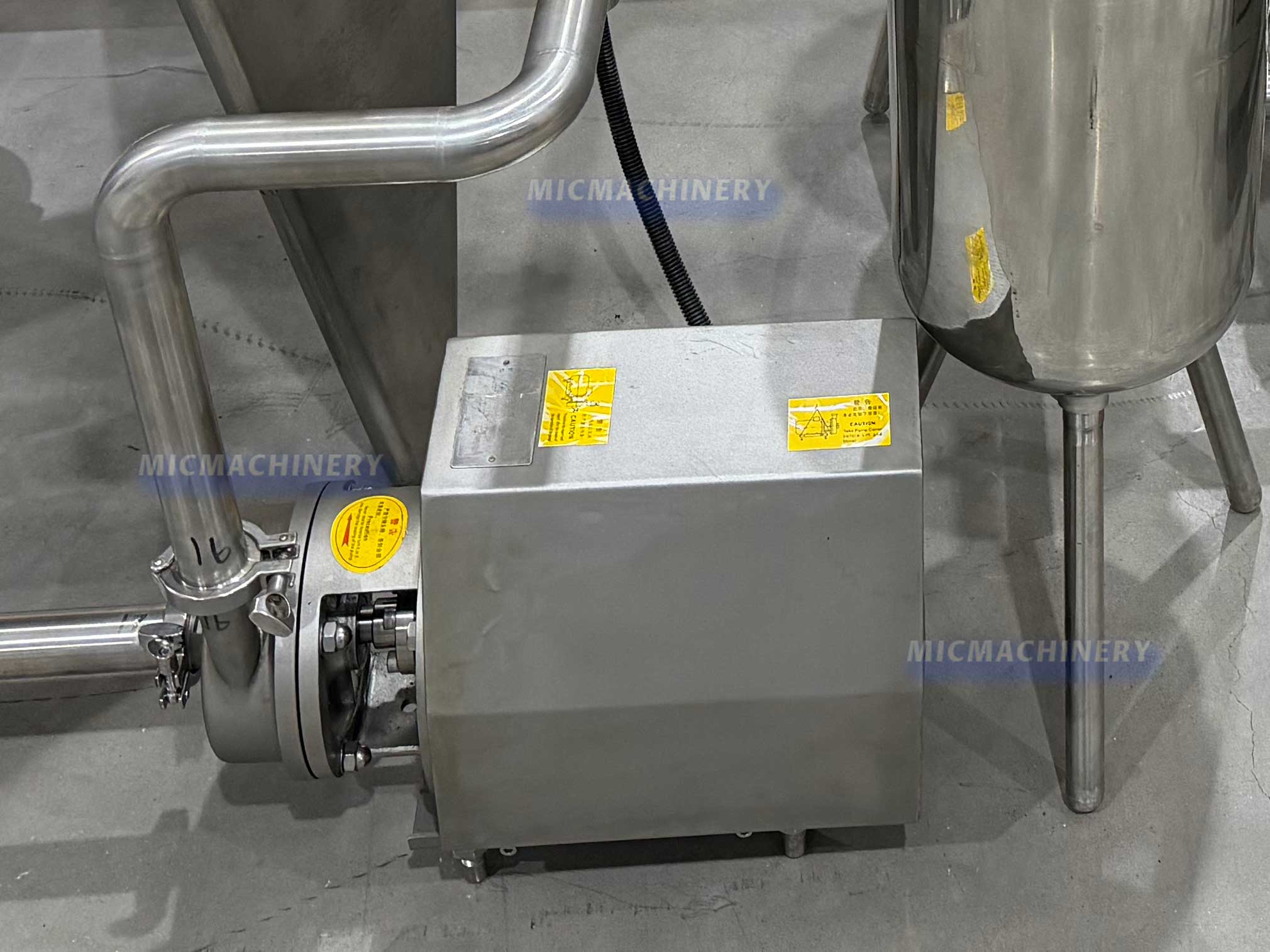
The beverage pump is used to transport milk, soy milk, fruit juice drinks, and similar liquid foods. It features a simple structure, stable operation, full head delivery, safety and reliability, an attractive appearance, and ease of use. Proper pump selection avoids shear damage or aeration, which could later destabilize carbonation. For most medium to large operations, this pump design offers the best balance of performance and maintainability.
|
A sanitary beverage pump (e.g., centrifugal or lobe type) transfers the clarified syrup forward from the filter to the blending tank. Proper pump selection avoids shear damage or aeration, which could later destabilize carbonation.
Comparison of common pump types:
For most medium to large operations, a variable-frequency-drive (VFD) centrifugal pump offers the best balance of cost and performance, provided the system includes a deaeration step before carbonation.
|
|
|
Blending Tank
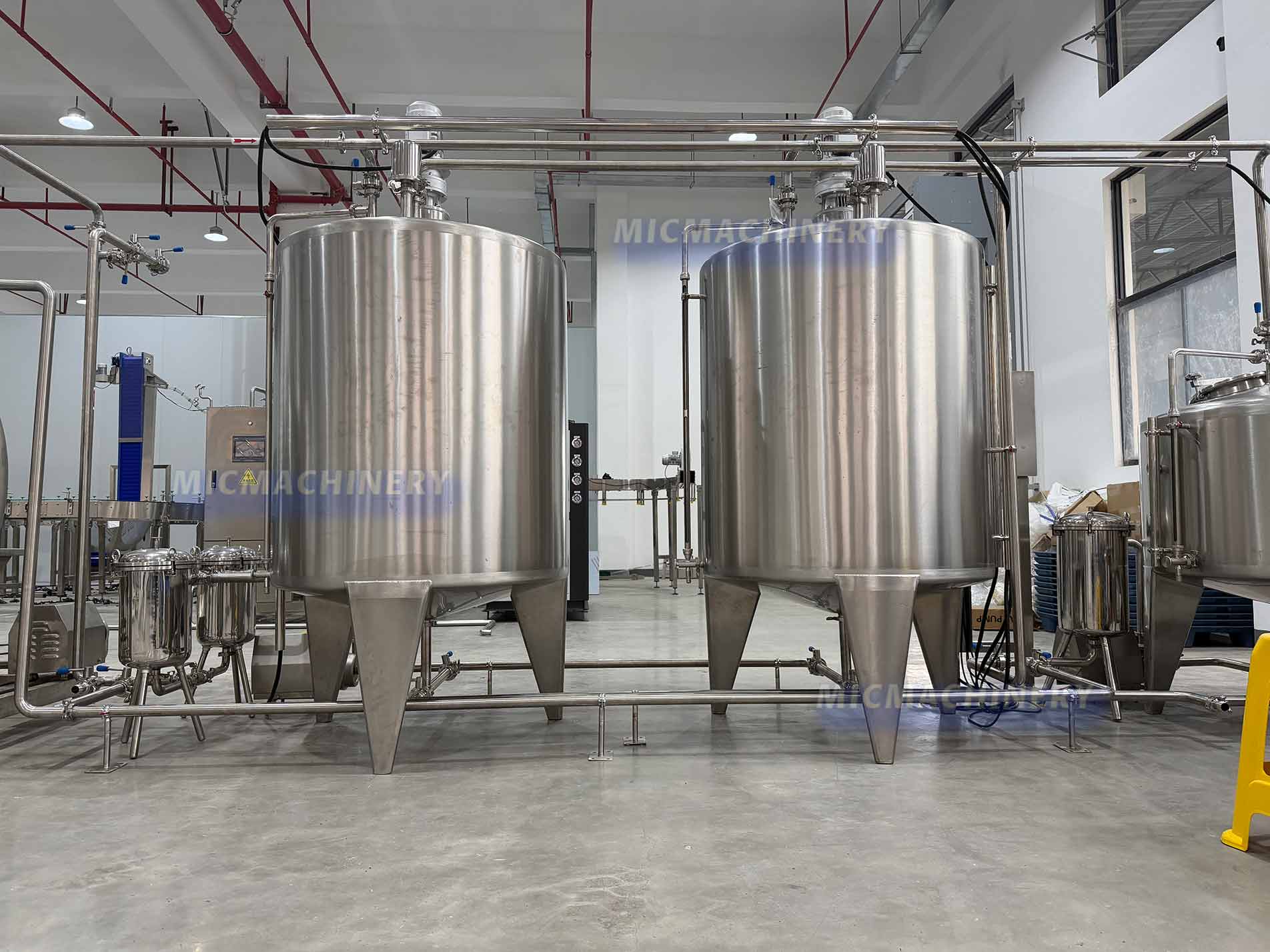
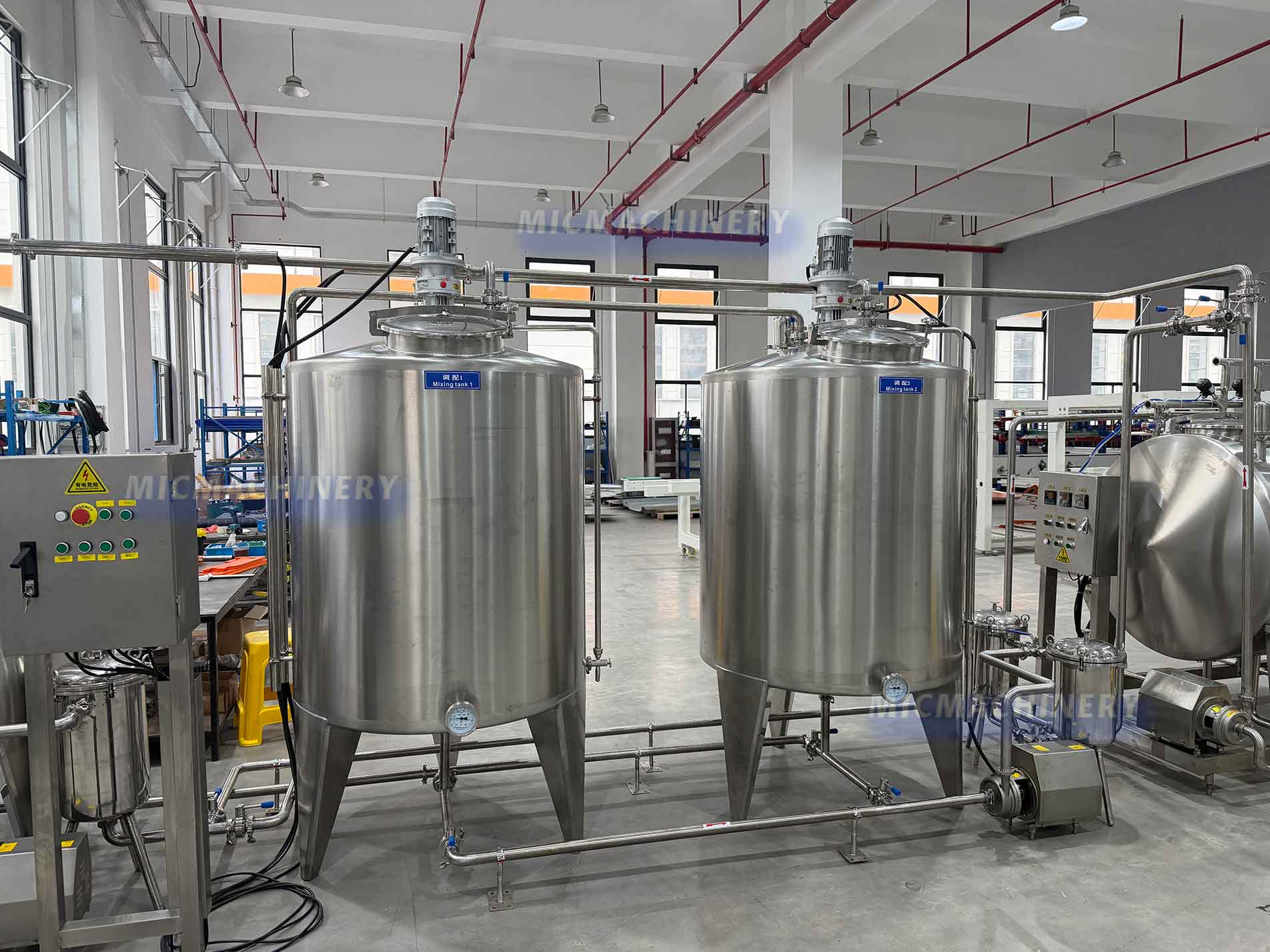
In the blending tank, the syrup is diluted with treated water to reach the exact Brix level required for the final recipe. Accurate blending ensures taste consistency across all production batches.
|
|
|
Typical blending tank features:
• Top-mounted agitator with adjustable speed • Inline Brix sensor for real-time concentration monitoring • Level control to maintain steady feed to downstream filters • Heating/cooling jacket if temperature adjustment is needed
The blending tank also serves as a buffer vessel, allowing continuous operation even if the sugar melting pot is temporarily offline for cleaning or refilling. |
Duplex Filter
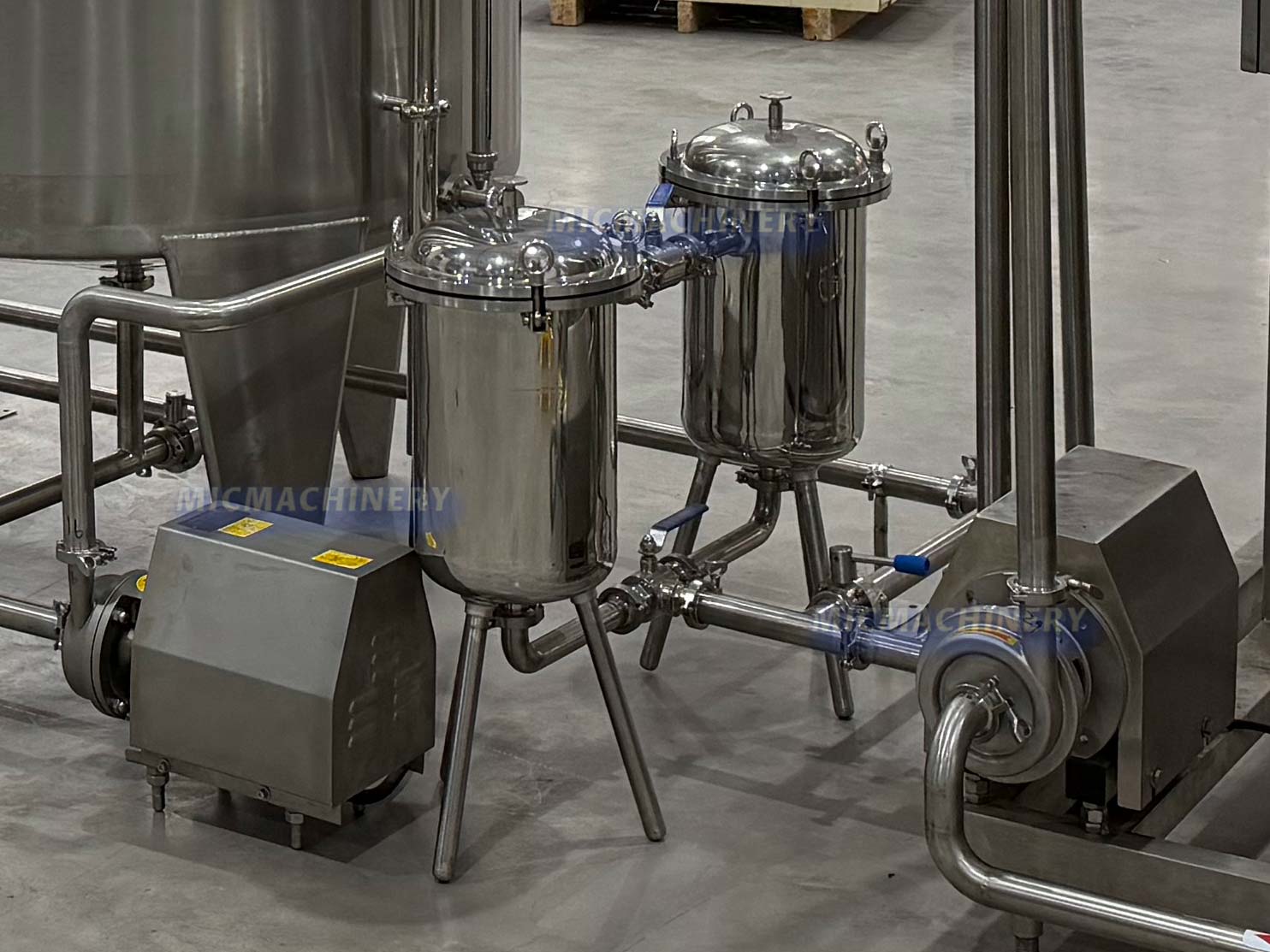
The diluted syrup flows through this duplex filter, and its dual-chamber design allows continuous operation: one chamber stays in service while the other is cleaned or serviced. This redundancy minimizes costly downtime in high-volume lines.
|
The duplex filter offers the following features:
• Good sealing effect that eliminates side leakage • Large effective filtration area for higher filtration efficiency • Flexible configurations: one stage can perform coarse filtration while the other performs precision filtration, or both can be set for coarse or precision filtration as needed. Multiple combinations are available to match actual production requirements • Filter media options include filter bags or filter cartridges • Replacing filter bags is convenient and fast, with lower operating cost • Reasonable structure for more stable and reliable filtration • Adjustable installation and debugging to adapt to specific application space requirements |
|
|
Carbonated Beverage Mixer
General description:
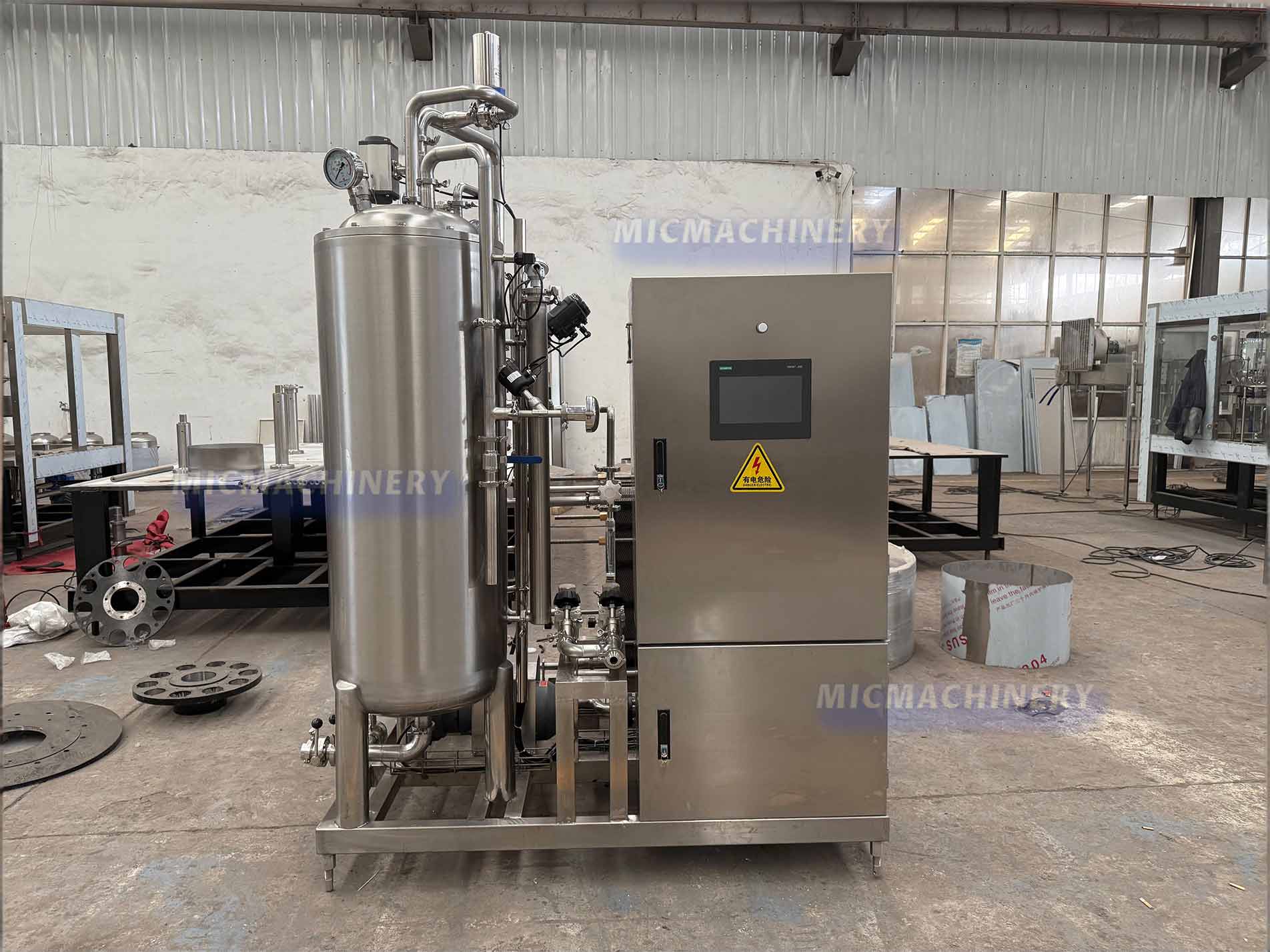
Developed by incorporating the latest technology from both domestic and international sources, the carbonated beverage mixer is mainly used for gas-liquid-sugar mixing in carbonated beverage production. It holds a leading position among similar products. This equipment is used to produce a variety of carbonated beverages—including water, syrup, and carbon dioxide carbonation and proportional mixing for lemon, cola, fruit juice, and other soft drinks—and is the main equipment in a complete beverage production setup.
The mixer uses an advanced gas-liquid mixing device that combines sugar syrup, beverage base, water, and carbon dioxide gas in a single step before sending the mixture to the filling machine. It can also be used for diluted beer, beer aeration, and sparkling wine production. The machine offers advanced technology, thorough mixing, high precision in sugar-to-water ratio, high gas content, a compact structure, and ease of use, making it suitable for large, medium, and small beverage plants.
Features:
1. This machine adopts advanced chemical industry technology—a static mixer (carbonator) that provides a large gas-liquid mass transfer area, low resistance loss, high efficiency, low energy consumption, and a simple structure. It also uses a reliable, low-noise multistage centrifugal pump, which ensures the overall performance of the machine.
|
|
|
2. The mixing ratio is accurate and easy to adjust. The machine does not require replacement of parts to adjust output or the syrup-to-water ratio. 3. Gas content can be easily adjusted according to beverage requirements through appropriate operations and other processing adjustments. 4. The automatic control system features coordinated actions, a simple structure, continuous production, and a high degree of automation. 5. The machine includes an original cleaning process with a reasonable structure, allowing easy chemical disinfection, thermal disinfection, and clean water rinsing, fully complying with food sanitation regulations. |
Chilling System
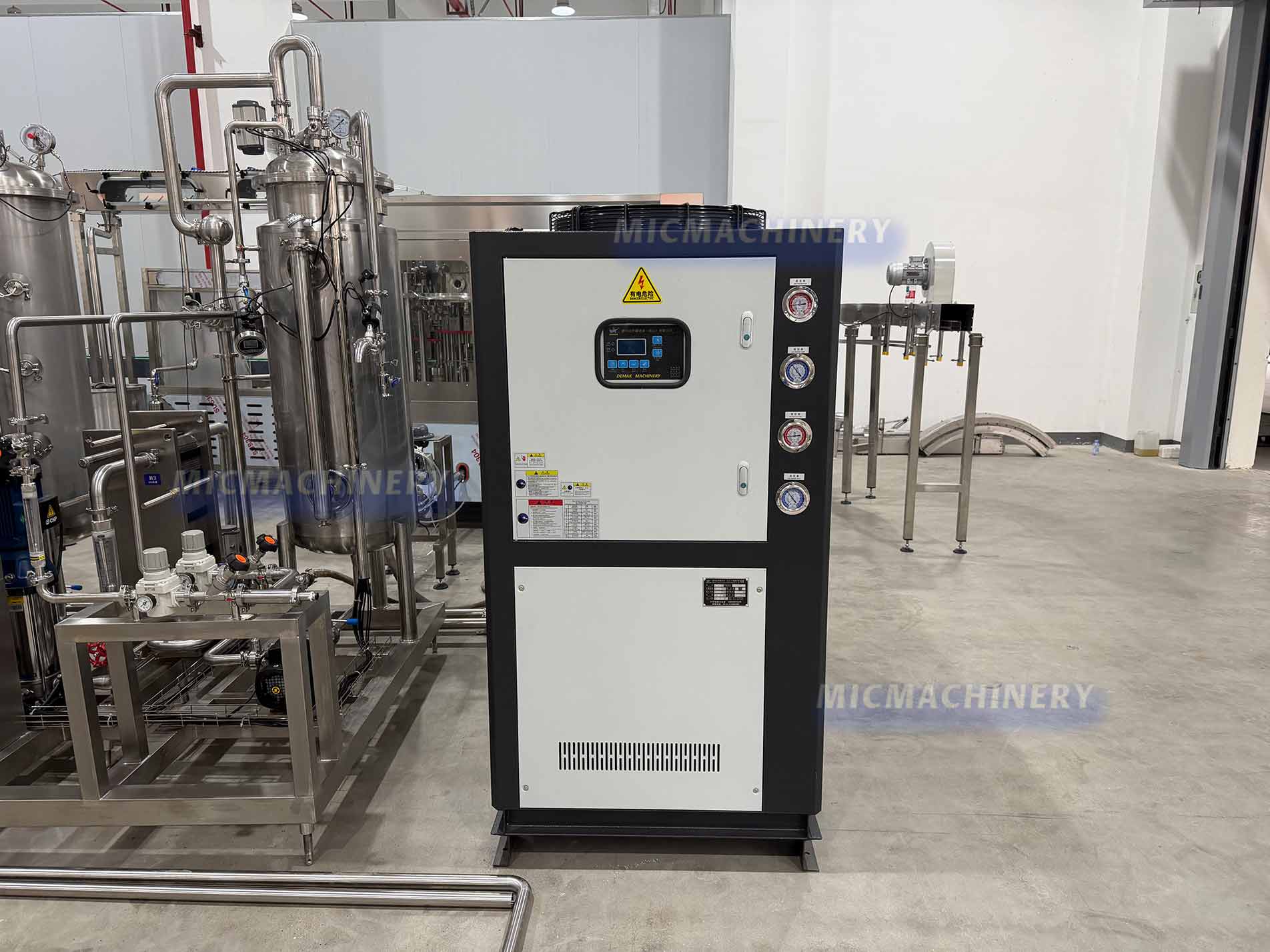
Before final mixing, the syrup must be cooled. This chilling system rapidly lowers syrup temperature to approximately 2–4°C (36–39°F), which improves carbon dioxide solubility and significantly reduces foam during carbonation.
Features:
• Compressor high and low pressure protection, internal overheating protection
• Low water level alarm device and low water temperature anti-ice alarm
• Compressors imported from Europe, America, and Japan
|
• Oxygen-free welding method used for refrigeration system welding ports to reduce oxides and ensure a smooth surface • Throttling components from Denmark Danfoss and the United States Aike • Water tank made of SUS304 stainless steel to avoid corrosion and water leakage • Heat exchanger options include stainless steel plate, coil and tube, shell and tube, and finned types • Control method: imported microcomputer or PLC control (optional) from brands such as OMRON, FUJI, TE, LG, MOELLER, and SCHNEIDER • Perfect safety protection and fault display; repair and maintenance can be performed without professional staff • High-efficiency evaporator and condenser can save more than 30% of energy • Models AXT-08 and above use two compressor heads, which can be used separately or together |
|
|
Semi-Automatic CIP System
Machine introduction:
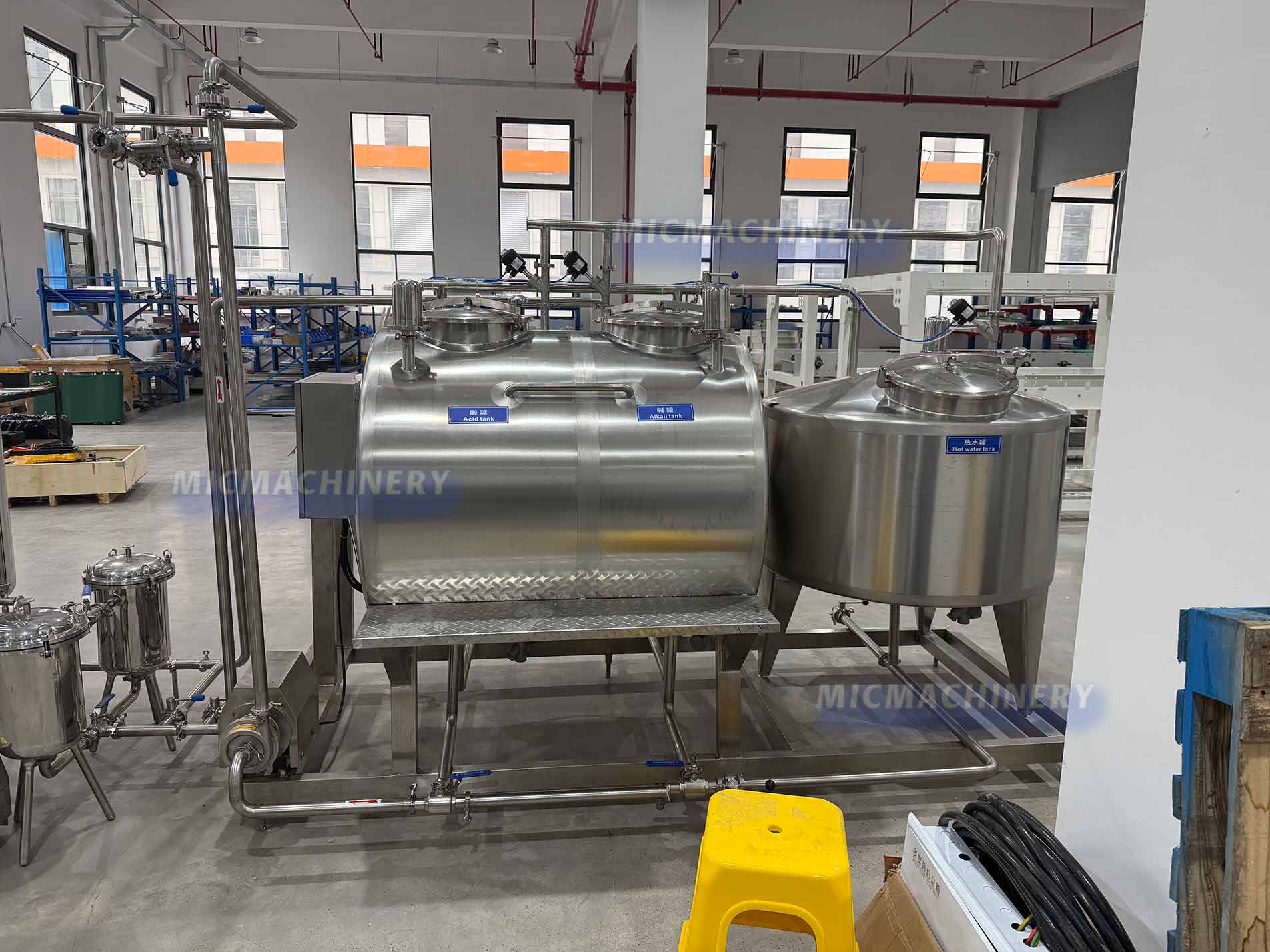
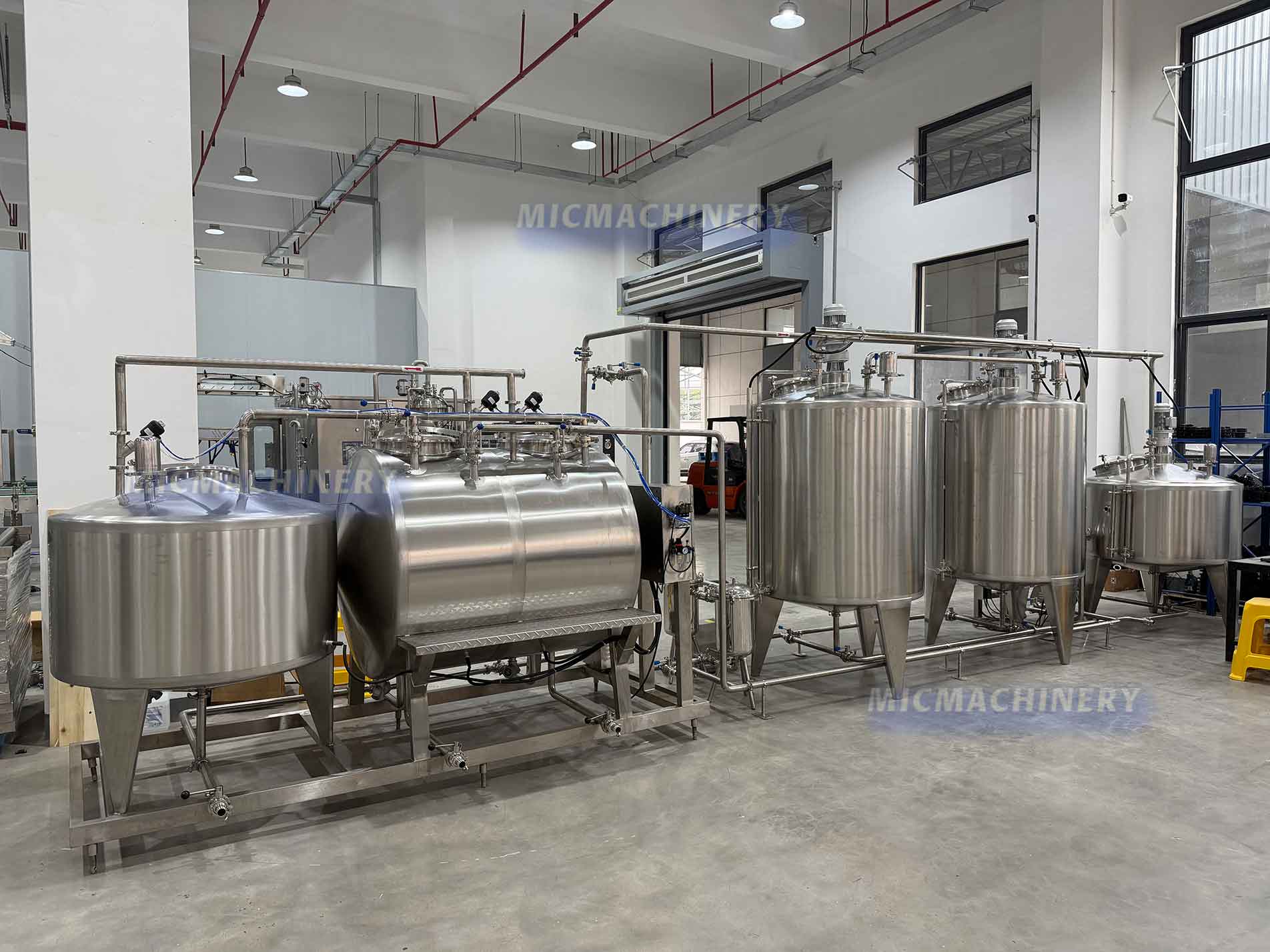
The semi-automatic CIP cleaning system is suitable for in-place cleaning of material piping and equipment in dairy plants, breweries, beverage plants, and general food facilities. Main materials are SUS304 and 316L stainless steel. This equipment consists of an alkali tank, an acid tank, a hot water tank, various pipes and pneumatic valves, a pressure transmitter, a conductivity meter, a platinum thermal resistance sensor, and a control system. The system forces cleaning liquid to circulate through material pipelines and equipment to achieve the cleaning purpose. Therefore, it is not necessary to disassemble pipeline equipment, which improves equipment utilization and reduces labor intensity for workers. Specific use of this equipment must be combined with the workshop's equipment and piping arrangements as well as the cleaning head design.
|
|
|
CIP cleaning features:
The CIP in-place cleaning system has low operating cost, a compact structure, a small footprint, and convenient installation and maintenance. It can effectively clean production equipment such as tanks and pipes, and the entire cleaning process is sealed. Production equipment, tanks, and pipes operate within this sealed system, thus greatly reducing the chance of secondary contamination.
Throughout all pretreatment processes, equipment surfaces accumulate sugar residues, organic deposits, and biofilms. This semi-automatic CIP system circulates alkaline and acid detergents, followed by sanitizing rinses, through pipes, tanks, filters, and the mixer itself, ensuring consistent hygiene between production batches. |
Common Pretreatment Problems and How to Solve Them
Even with well-selected equipment, operators may encounter issues. Below are frequent problems and their typical solutions.
| Problem | Possible Cause | Solution |
| Undissolved sugar crystals | Short melting time or low temperature | Increase agitation time; verify heating system |
| High filter pressure drop | Clogged filter bags or cartridges | Replace filters; duplex filter allows continuous operation |
| Off-flavor in final product | Caramelized sugar or microbial growth | Check melting pot temperature; run CIP cycle immediately |
| Inconsistent Brix | Pump pulsation or blending tank level fluctuation | Install a pulsation dampener; check level sensors |
| Foam in carbonated mixer | Syrup too warm before mixing | Verify chilling system performance; lower syrup feed temperature |
Integrating Pretreatment with the Rest of the Production Line
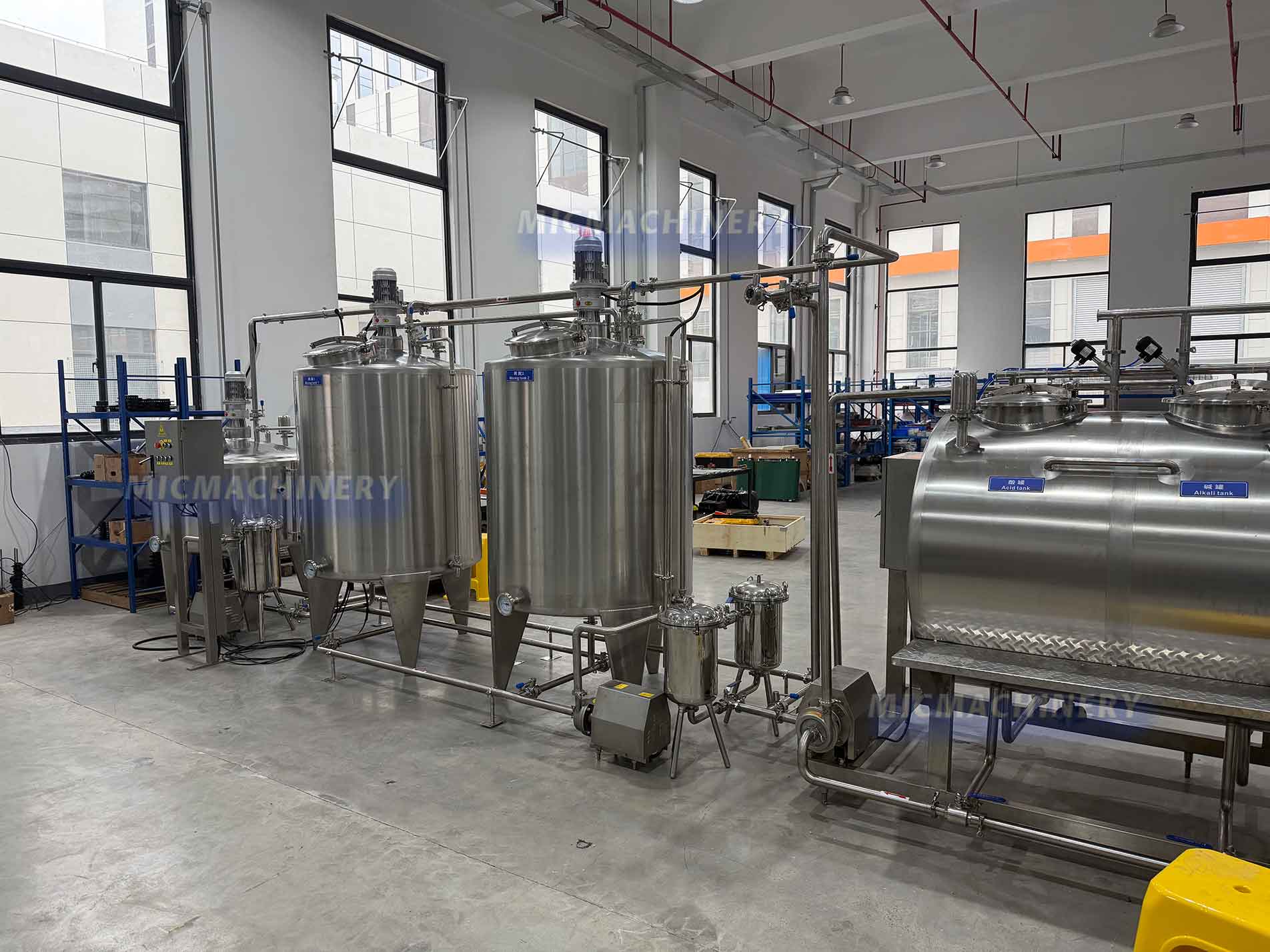
A well-functioning pretreatment section does not operate in isolation. It must integrate smoothly with downstream processes such as filling, capping, labeling, and packaging. Any interruption in syrup supply will stop the entire carbonated drink production equipment suite, leading to costly downtime.
Integration best practices:
• Install buffer tanks between major stages to absorb short interruptions
• Use centralized control panels (PLC-based) to monitor all pretreatment parameters from one location
• Implement automated valves and sensors to reduce manual intervention
• Schedule CIP cycles during planned maintenance breaks rather than emergency stops
When evaluating new equipment for a carbonated beverage production line, manufacturers should prioritize not just individual machine specifications but the seamless compatibility of all eight pretreatment components with their existing filler and mixer systems.
 |
 |
 |
Conclusion: The Long-Term Value of Proper Pretreatment
Investing in reliable filtration, precise blending, effective chilling, and hygienic design pays dividends over the lifetime of a beverage plant. A properly designed carbonated soft drink production line—with special attention to the pretreatment section—delivers:
• Longer continuous production runs without quality drift
• Lower product rejection rates and reduced raw material waste
• Consistent taste and clarity batch after batch
• Simplified regulatory compliance and audit readiness
• Faster changeovers between different recipes or product types
In contrast, neglecting pretreatment often leads to recurring quality issues, frequent equipment breakdowns, and higher overall operating costs. For any beverage manufacturer serious about product quality and operational efficiency, the pretreatment line deserves as much engineering attention as the carbonation and filling stages that follow.