Does Beer Have Gluten? A Complete Guide for the Health-Conscious Drinker
Gluten causes worry for millions of people around the world. People may avoid it because of celiac disease, gluten sensitivity, or their own diet decisions. The question “does beer have gluten” becomes more and more important now. We can give a fast answer to this question. The answer is yes. People make traditional beer with grains that hold gluten. But we need to learn more facts to get the full answer. We need to know the materials of beer, the brewing steps, and the increasing gluten-free beer choices. This article tells readers the scientific facts, historical background, and modern beer choices for drinkers who want to stay away from gluten.
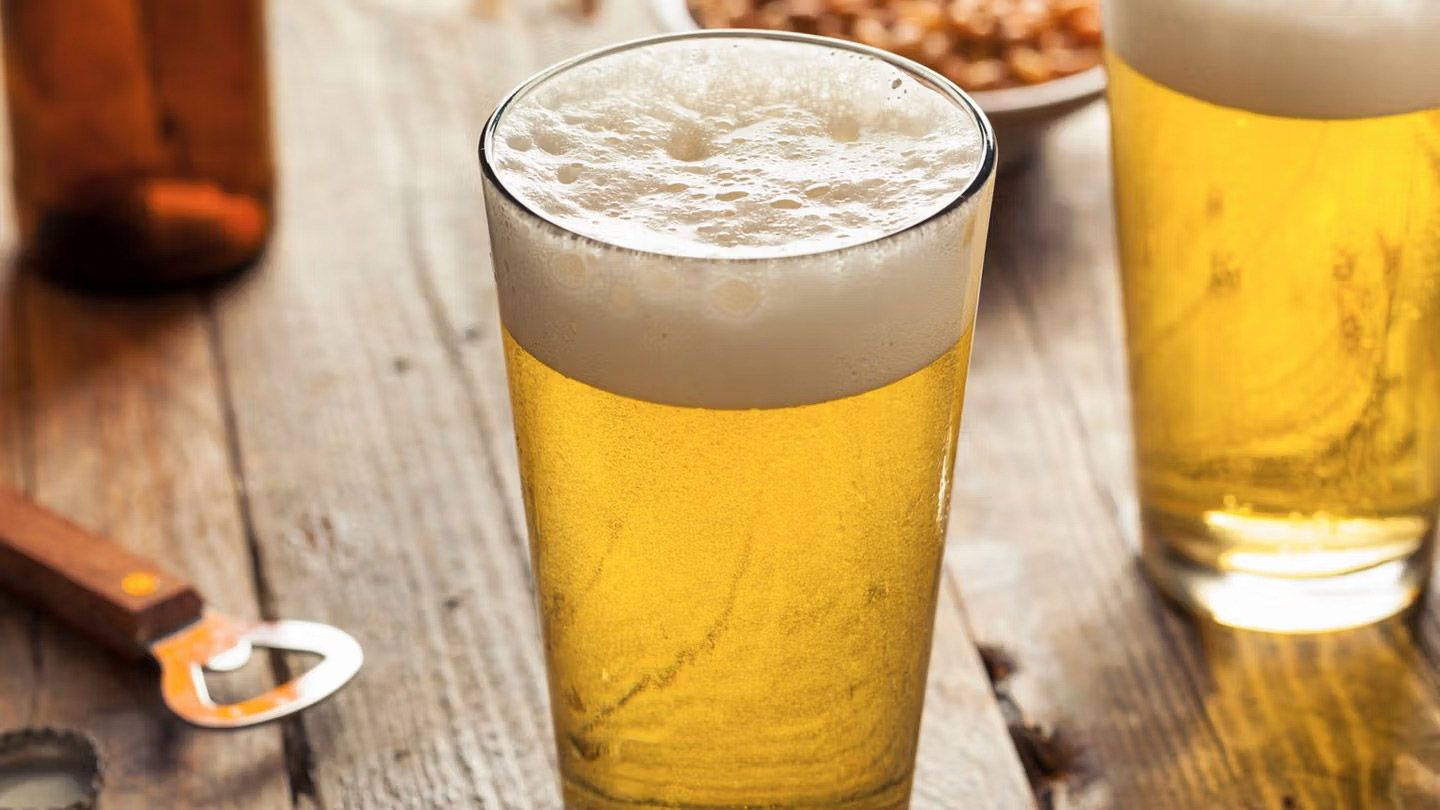
We need to know the materials of beer first. Then we can judge if beer has gluten. Traditional beer uses four necessary ingredients.
|
|
|
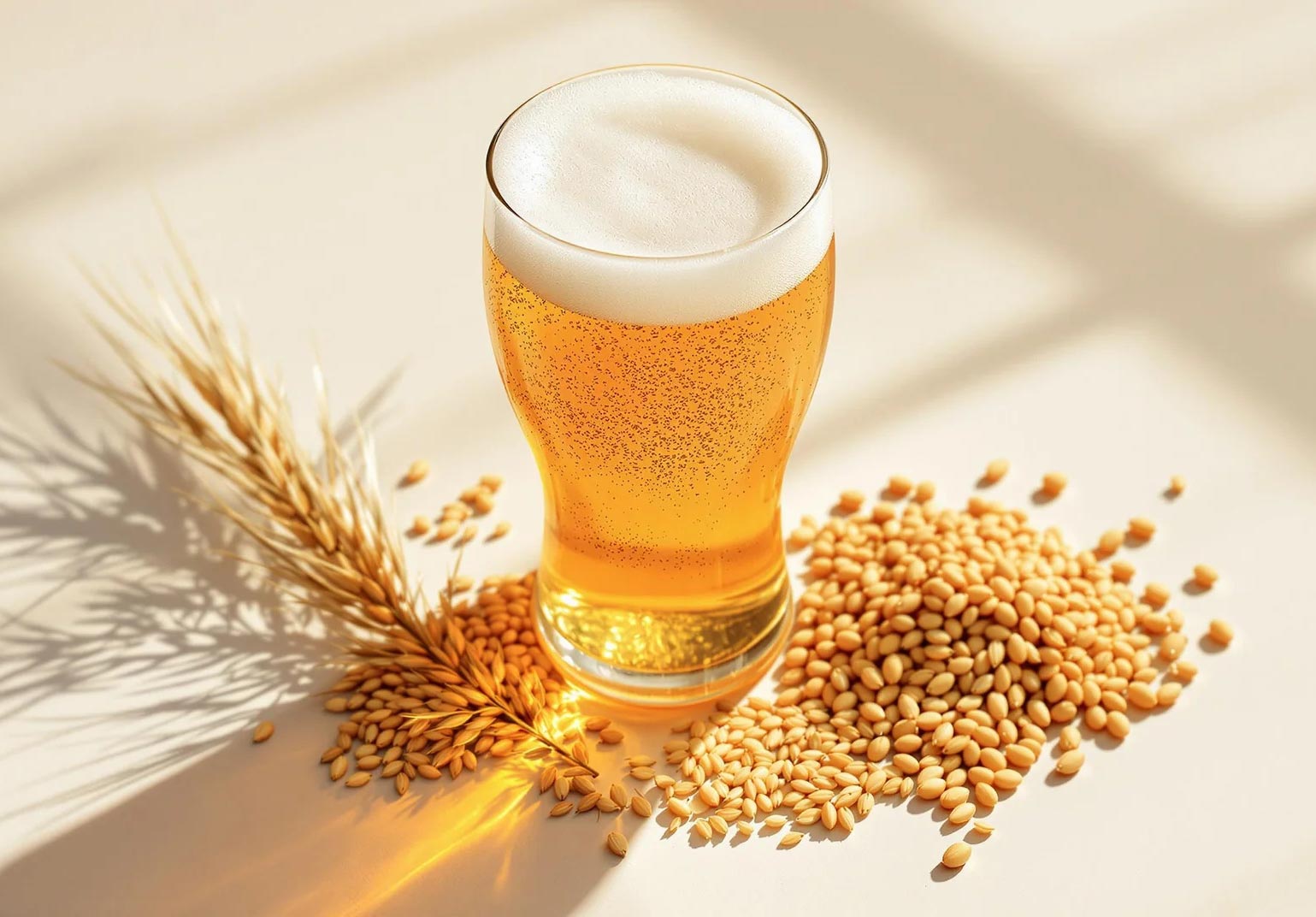
These ingredients are water, malted grains, hops, and yeast. Malted grains are the key part here. Most beer makers use barley, wheat, rye, or oats to brew beer. All these grains have gluten proteins. Barley has hordein, wheat has gliadin, and rye has secalin. Makers mash these grains in the brewing process. They do this to get fermentable sugars from the grains. But gluten proteins stay in the finished beer. So we can answer the question again. Most traditional beer does contain gluten.
|
Gluten in beer links to the old start of this drink. People often ask when beer was invented. Research from archaeologists shows beer first appeared in 3400–3500 BCE in Mesopotamia. Early brewers in this area used local grains to make beer. They mainly used barley and emmer wheat. Both of these grains have gluten. Gluten has been in beer for thousands of years. People did not know gluten could hurt some people’s health until recent times. This historical fact tells us why gluten-free beer is a new kind of drink.
How to Make Beer: Where Gluten Enters the Picture
We can know why gluten exists in beer when we learn the brewing steps. The traditional brewing way has several main steps. Mashing is the first step. Makers put malted barley or other gluten grains into hot water. This step activates special enzymes. The enzymes change starches in grains into fermentable sugars. Gluten proteins also go into the liquid called wort in this step. Lautering is the second step. Makers separate wort from used grain husks. Gluten still stays in the wort. Boiling is the third step.
|
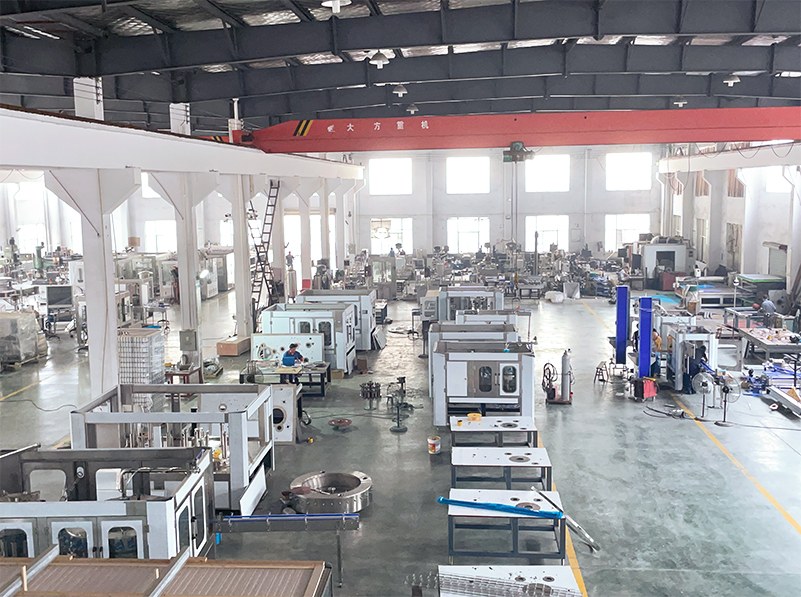
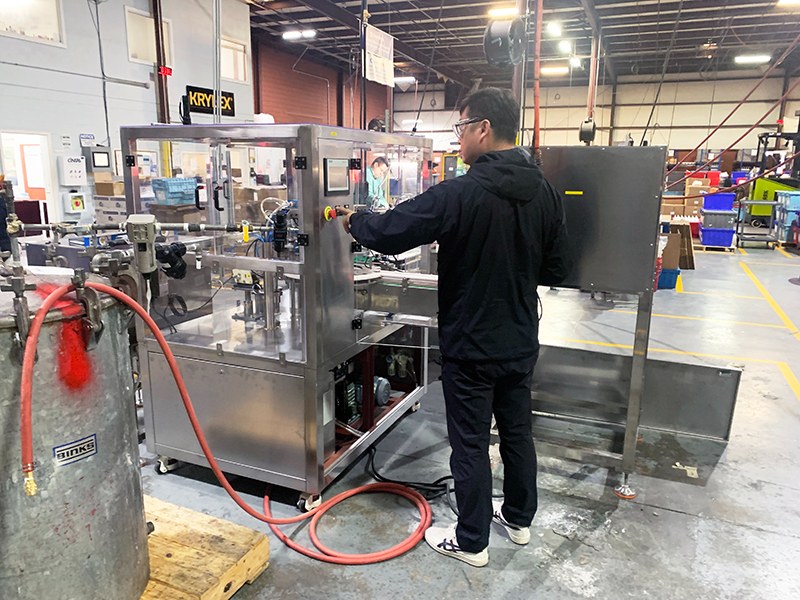
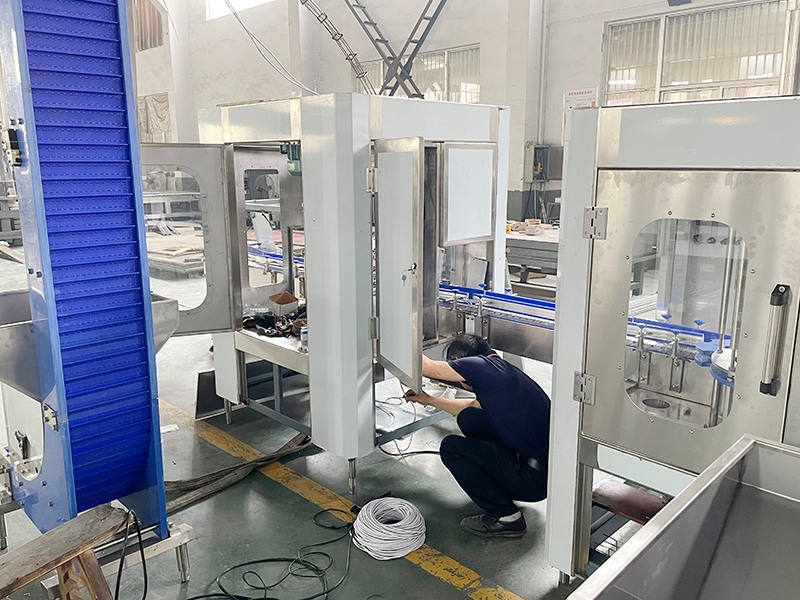
Makers boil the wort and add hops to add bitterness and smell. Gluten proteins can stand high heat and stay in the wort. Fermentation is the fourth step. Makers add yeast to the wort. Yeast eats sugars and makes alcohol and carbon dioxide. Yeast cannot eat or take away gluten. Conditioning and packaging is the last step. Makers store beer for aging, filter the beer sometimes, and use a beer filling machine to package it. The machine fills bottles or cans and lets little oxygen get inside. No step in the whole process removes gluten. So traditional beer made from barley, wheat, or rye surely has gluten.
|
|

|
How Much Alcohol Is in Beer? A Related Consideration
Alcohol amount has no connection with gluten. But many beer drinkers still ask about it. People often want to know
how much alcohol is in beer. The alcohol amount has a wide range. Light beers usually have 3–4% ABV. Standard lagers and ales have 4.5–5.5% ABV. IPAs have 6–7.5% ABV. Imperial stouts and double IPAs can reach 8–12% ABV or even higher. Gluten-free beers have similar alcohol levels. But we need to remember one point. Alcohol amount does not change gluten content. A high-alcohol barley beer has the same gluten level as a low-alcohol one when we compare their ingredients.
How Long Does Beer Last? Shelf Life of Traditional vs. Gluten-Free Beer
Many people also ask about how long beer can stay good. They want to know how long beer lasts. The storage time of traditional beer depends on its type. IPAs with more hops taste best within 3–6 months. High-alcohol stouts can be stored for years. Gluten-free beers use sorghum, rice, millet, or buckwheat as materials. Their storage time is almost the same as traditional beer. But some gluten-free beers can go bad easier if the packaging is not good enough. The beer filling machine is very important in this situation. It uses CO2 to clean containers and reduces oxygen contact. It helps both traditional and gluten-free beers stay fresh. Gluten content does not affect how long beer can be drunk safely. Both kinds of beer will lose carbonation and flavor over time. But they still stay safe to drink.
|
|
|
The health effect of beer is not simple to judge. People often ask if beer is good for them. Drinking beer in a moderate amount brings some health benefits. Women can drink one glass a day and men can drink up to two. Moderate drinking can raise HDL cholesterol and lower the risk of heart disease. But traditional beer is bad for people with celiac disease or gluten sensitivity. It can cause serious stomach problems, body inflammation, and long-term body damage. These people can only get safe moderate drinking benefits from gluten-free beers or other drinks.
|
Gluten-Reduced vs. Gluten-Free: What's the Difference?
We need to tell two kinds of beer apart clearly. Gluten-reduced beer is the first type. Some beer factories use an enzyme named Brewer's Clarex. This enzyme breaks gluten proteins into small pieces. These beers can be marked as “gluten-reduced” in some countries, but they cannot be called “gluten-free”. These beers may be okay for people with mild gluten sensitivity. But they are not safe for people with celiac disease. Tests may not find all harmful small gluten pieces. Gluten-free beer is the second type. Makers use natural gluten-free materials to brew it. These materials include sorghum, rice, millet, buckwheat, corn, and quinoa. This beer is safe for people with celiac disease. Some brands also use buckwheat and chestnuts. Both grains have no gluten even if their names may mislead people.
Gluten-Free Beer Options
|
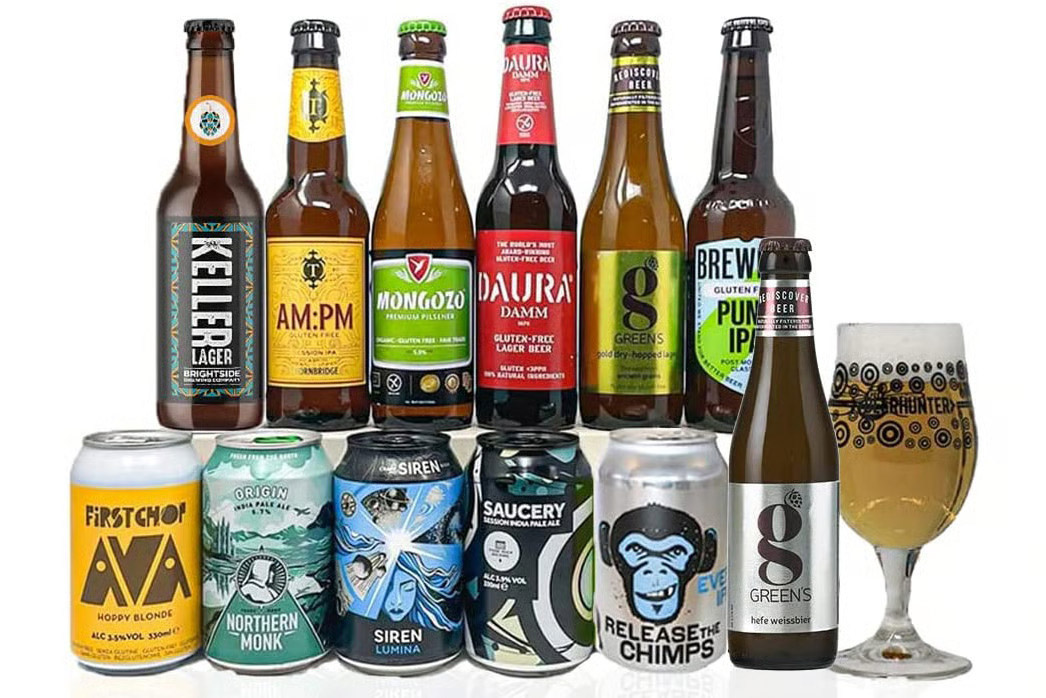
The number of gluten-free beer products has grown a lot in the market. There are many famous brands for consumers to choose from. Omission is a gluten-reduced beer brand. It is not suggested for people with celiac disease. Glutenberg makes beer in a special gluten-free factory. It uses millet, corn, and quinoa. Holidaily is a gluten-free beer brand that uses millet and buckwheat. Ground Breaker uses roasted chestnuts and lentils to brew beer. Green’s makes Belgian-style ales with sorghum, millet, buckwheat, and rice. These beers bring the same flavor and feeling as traditional beer, but they have no gluten.
|
|
|
Reading Labels and Asking Questions
You must read product labels carefully if you need to avoid gluten. Look for “gluten-free” marks from groups like the Gluten-Free Certification Organization (GFCO). Do not trust words like “low gluten” or “crafted to remove gluten”. You can ask the beer factory directly if you still feel unsure. We can go back to the main question again. Traditional beer does have gluten. Gluten-free beer does not have gluten at all.
Conclusion: Knowledge Is Power
We can give a clear answer to “does beer have gluten”. Traditional beer made from barley, wheat, or rye does contain gluten. But more and more gluten-free beers are sold now. People with celiac disease or gluten sensitivity can still enjoy a cold beer. Knowing the materials of beer helps people make smart drinking choices. Every beer bottle uses a precise beer filling machine. This machine works for both traditional and gluten-free beer. It keeps the beer fresh and makes the quality stable. We can enjoy beer wisely when we know these facts.