Use a hot fill process only when the beverage's validated preservation plan includes hot filling and the product and package tolerate the required thermal cycle. Cold fill covers three distinct routes: refrigerated filling, a documented clean-fill and preservation-hurdle process, or aseptic filling. Fix the product risk, distribution temperature, package performance, and preservation process before selecting the filler.
The practical choice is how the complete system controls microorganisms through preparation, treatment, filling, closing, storage, and distribution.
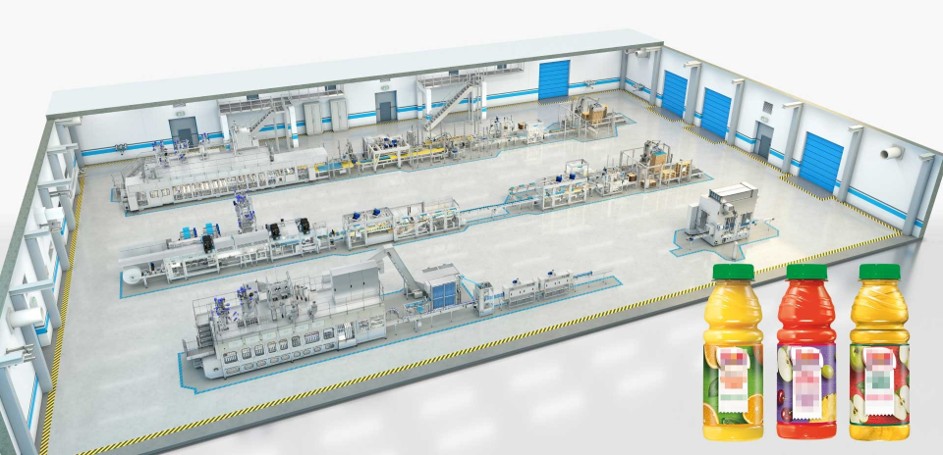
Figure 1. A complete juice production line brings product preparation, filling, cooling, labeling, and packing into one system. Image source: MIC Juice Filling Machine.
Quick comparison
|
Decision point
|
Hot fill
|
Refrigerated or clean cold fill
|
Aseptic cold fill
|
|
Main preservation route
|
Validated thermal process followed by hot filling and closing
|
A validated product treatment or formulation combined with hygienic filling; some products rely on uninterrupted refrigeration
|
Commercially sterilized product enters presterilized packaging in a controlled aseptic system
|
|
Product fit
|
Heat-tolerant, usually acidic still beverages
|
Chilled products and other formulations whose safety and shelf-life plan supports this route
|
Heat-sensitive or low-acid shelf-stable products when an aseptic process has been developed and validated
|
|
Package demand
|
Bottle, closure, label, and secondary pack must tolerate the fill, hold, cooling, and resulting internal pressure or vacuum
|
Package must suit the product, sanitation method, cold chain, and distribution loads
|
Container and closure must tolerate the validated sterilization method and maintain seal integrity through shelf life
|
|
Core equipment
|
Product heater and holding section, hot filler, closer, validated hold step if required, cooling, and cleaning system
|
Product treatment as specified, hygienic filler and closer, cleaning system, and often refrigerated storage and distribution
|
Product sterilizer, sterile buffer and piping, package and closure treatment, aseptic filler, sterile utilities, CIP/SIP, and environmental controls
|
|
Main failure modes
|
Underprocessing, excessive heat damage, bottle deformation, paneling, closure leakage, and uncontrolled cooling
|
Post-process contamination, temperature abuse, preservative or pH drift, and cold-chain failure
|
Loss of sterility, inadequate package treatment, sterilant residue, seal failure, and undetected process deviation
|
|
Shelf-life claim
|
Established by the validated process, package, and stability study
|
Established for the stated storage temperature and distribution conditions
|
Established by the scheduled process, aseptic controls, package barrier, and stability study
|
What the hot-fill process does
A typical hot filling process prepares the beverage, applies the validated heat treatment, transfers it to the filler without losing the required process condition, fills and closes the container, completes any specified container-contact hold, and then cools the pack under controlled conditions. The actual time and temperature belong to the scheduled process for the formula, target microorganism, package, and line.
For U.S. juice processors, 21 CFR 120.24 requires control measures that consistently achieve at least a 5-log reduction in the pertinent microorganism, subject to the rule's scope and exemptions. FDA's Juice HACCP Hazards and Controls Guidance includes one example of a shelf-stable hot-fill/hold process. Use it as an example only. A process authority must establish the process for the actual product and package.
Hot filling can simplify the package decontamination concept because the product heat may form part of the validated control for contacted surfaces. The entire required surface must receive the specified exposure. Validate the neck finish, closure, and headspace separately from the tank temperature.
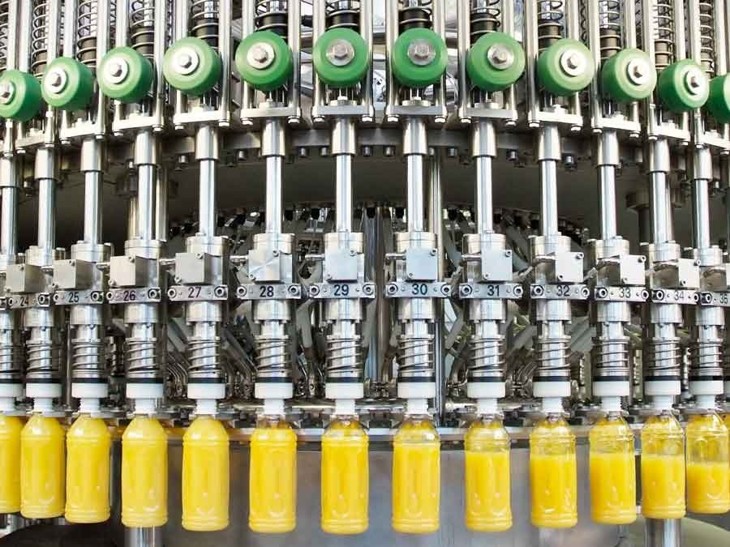
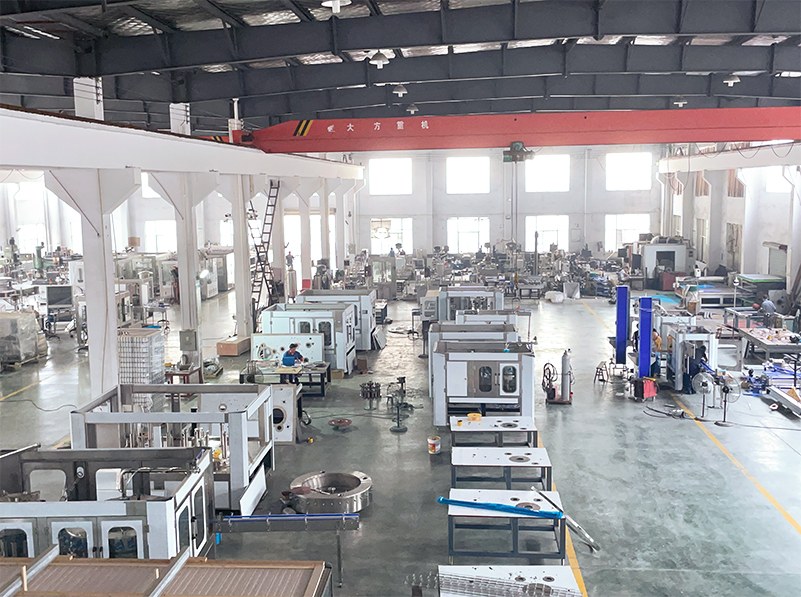
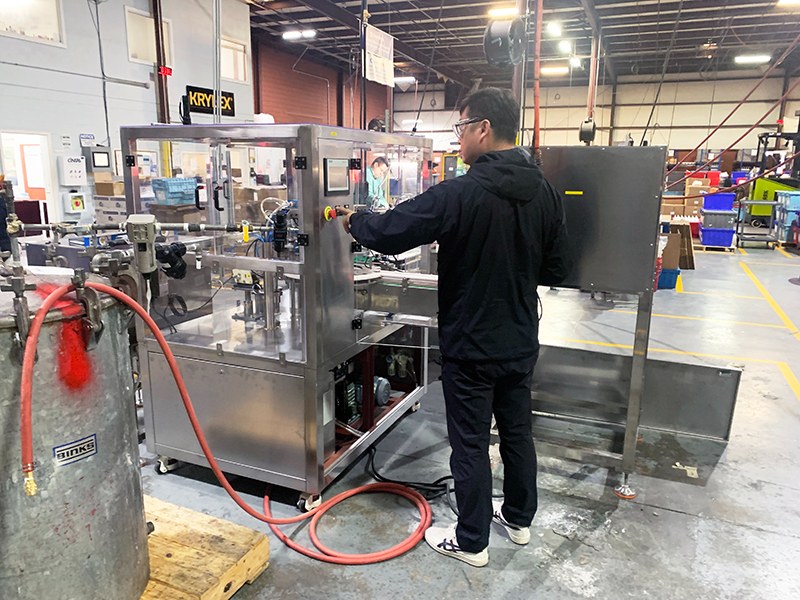
Figure 2. A rotary juice filler must maintain the specified product condition through the filling valve and closing step. Image source: MIC Juice Filling Machine.
Cold fill describes three different production routes
Refrigerated cold fill
The beverage is treated as defined by its process, cooled, filled under hygienic conditions, and kept within the specified cold chain. The label and distribution plan must match the validated shelf life. Cold filling still requires effective sanitation and an intact cold chain.
Clean cold fill
Some acidic beverages use formulation controls, permitted preservatives, hygienic equipment, and package sanitation to support ambient or extended chilled shelf life. The formula, legal limits, microbial challenge work, package, and operating environment determine whether that approach is acceptable. A supplier's phrase such as "cold fill" is therefore incomplete unless the preservation hurdles and sanitation controls are listed.
Aseptic cold fill
The product receives its scheduled treatment, is cooled, and moves through a sterile product path into presterilized containers with presterilized closures. U.S. rules define aseptic processing and packaging as filling a commercially sterilized, cooled product into presterilized containers and sealing it aseptically in an atmosphere free of microorganisms. The same provision also identifies critical factors whose variation can affect commercial sterility: 21 CFR 113.3.
An aseptic line therefore adds package treatment, sterile-air management, SIP-capable paths, intervention controls, and process monitoring. The current MIC catalog has a dedicated aseptic cold filling machine page, while its juice filling machine page covers a wider commercial category. The project specification should name the validated process and its operating conditions.
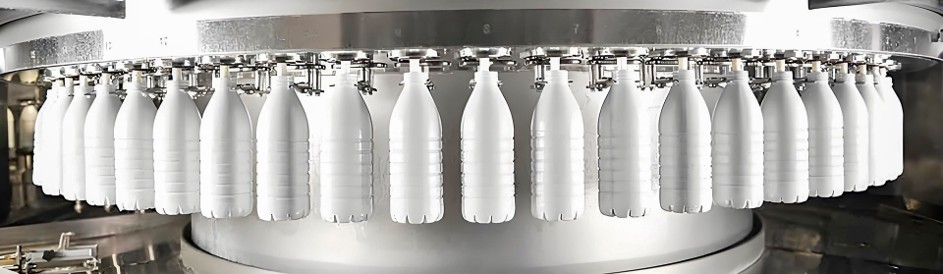
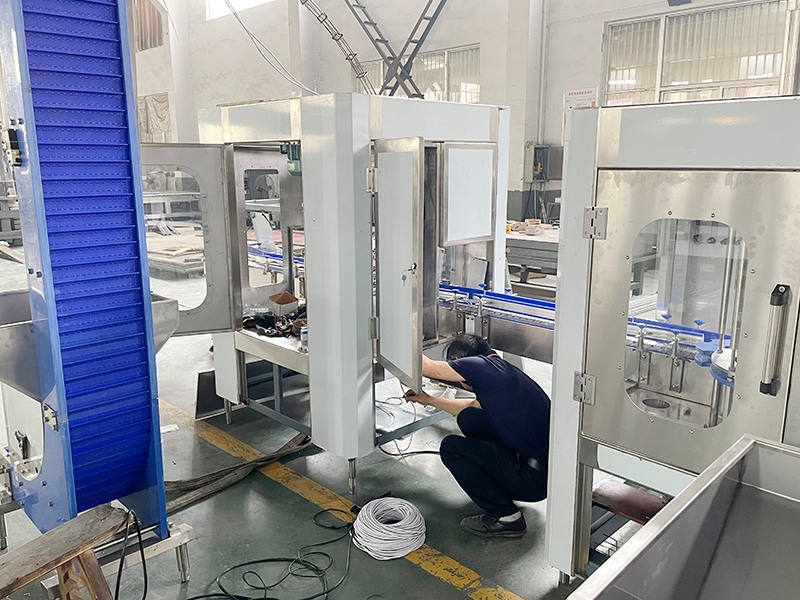
Figure 3. Aseptic cold fill requires a defined sterile boundary and verified treatment of product, containers, and closures. Image source: MIC Aseptic Cold Filling Machine.
Match the route to the beverage
Juice, nectar, and juice drinks
Confirm equilibrium pH, soluble solids, pulp or fiber, viscosity, oxygen sensitivity, ingredients added after treatment, and target shelf life. Select hot fill for an acidic, heat-tolerant still juice only when the scheduled process and package tests support it. If the required thermal exposure causes unacceptable sensory change, evaluate aseptic processing, refrigerated distribution, or another preservation technology from product test data.
Tea, coffee, plant-based drinks, and functional RTDs
These products can include low-acid formulas, proteins, fats, minerals, suspended solids, or heat-sensitive ingredients. U.S. regulations, for example, define most foods with finished equilibrium pH above 4.6 and water activity above 0.85 as low-acid foods within the scope stated in 21 CFR 113.3. Other markets use their own product categories and controls. A low-acid shelf-stable RTD needs a qualified scheduled process. Conventional hot filling is adequate only when the process authority validates it for the product and package.
Carbonated or nitrogenated RTDs
Gas content changes the filling method and package-pressure requirement. Carbonated beverages generally require pressure-controlled filling to manage gas breakout and foam. Preservation, carbonation, filler selection, closure timing, and package pressure rating must be engineered together.
Package requirements can decide the process
Hot-fill PET must be designed and qualified for the process temperature, hold, cooling profile, internal vacuum, top load, and distribution. A standard cold-fill bottle needs separate qualification for that cycle. Glass avoids heat softening, but sudden temperature differences can cause thermal shock, so bottle conditioning and cooling still require validation. Caps, liners, induction seals, sleeves, adhesives, inks, and cartons also need process-temperature and moisture compatibility.
Aseptic packaging may allow a different bottle design because the filled product is cooler, although the container must still survive its sterilization process and distribution loads. A package-lightweighting decision requires line trials, shelf-life testing, and a full cost assessment.
What changes in the equipment specification
Hot-fill equipment must control product temperature through the final filling valve, define what happens during stops, and prevent underprocessed product from reaching saleable packs. The cooler must achieve the approved profile without distorting packages or leaving product too warm for downstream labeling and packing.
Aseptic equipment has a wider sterile boundary. The specification should identify every surface and utility inside that boundary, how the system is sterilized, which interventions are permitted, how sterile conditions are monitored, and what happens after an alarm. Container and closure decontamination must state the agent, concentration, exposure, rinse or removal method, residual limit, and verification method.
Refrigerated filling shifts part of the control burden downstream. Chilled tanks, warehouses, transport, retail handling, and time outside refrigeration become part of the product's usable process.
Questions to settle before choosing
- What is the final formula, including equilibrium pH, water activity where relevant, preservatives, carbonation, pulp, and ingredients added after treatment?
- Which organisms and hazards must the preservation process control?
- Is the target product refrigerated or shelf stable, and in which countries will it be sold?
- Has a process authority issued a scheduled process for the final formula and package?
- Which bottle, closure, label, and secondary pack have passed thermal, sterilization, sealing, transport, and shelf-life tests?
- What happens to product during startup, shutdown, a short stop, or a sterile-boundary alarm?
- Which CIP, SIP, package-treatment, environmental-monitoring, and verification records are required?
- Will the factory and distribution network maintain the specified utilities and storage temperature?
FAQ
Is a hot fill process the same as pasteurization?
No. Pasteurization is the product treatment. The hot fill process also includes transfer to the filler, filling, closing, any required container-contact hold, cooling, and the controls used during stops or deviations. The scheduled process defines which of those steps contribute to product safety and shelf life.
Does cold fill always mean aseptic filling?
No. Cold fill may describe refrigerated filling, a documented clean-fill and preservation-hurdle route, or aseptic filling. A quotation should state which route is offered and list its sanitation, package-treatment, storage, and validation requirements.
Can standard PET bottles be used for hot filling?
Use only a bottle and closure qualified for the scheduled temperature, hold, cooling profile, vacuum, top load, and distribution conditions. A bottle sold for ambient cold filling is not automatically suitable for hot fill.
Does a hot fill process guarantee ambient shelf life?
No. Ambient shelf life depends on the validated scheduled process, closure integrity, package barrier and durability, post-process handling, storage, distribution, and the finished product's stability. Confirm the claim with shelf-life testing under the intended market conditions.
What should be sent to a filling-line supplier?
Send the final formula and process target, product temperature at filling, bottle and closure drawings and samples, required output by SKU, shelf-life and market requirements, sanitation plan, factory layout, and available utilities. Ask the supplier to state the process assumptions behind the proposed line.
Make the decision from validated conditions
Choose hot fill when the beverage and package tolerate the scheduled heat exposure and the complete fill, close, hold, and cooling sequence has been validated. Choose refrigerated cold fill when the product's shelf life and safety depend on a controlled cold chain. Choose aseptic cold fill when the product requires an ambient shelf-stable route with separately sterilized product and packaging. Clean cold fill belongs only in a documented hurdle and sanitation plan.
When requesting a filling-line proposal, send the final formula data, process target, bottle and closure samples, shelf-life and market requirements, line output, and factory utilities. With the same inputs in every RFQ, buyers can compare the thermal process, filler, package treatment, cleaning scope, and downstream cooling or cold-chain needs on equal terms.