- HOME
-
PRODUCTS
-
Filling machine
- Beer filling machine
- Beer bottling machine
- Beer canning machine
- Beverage filling machine
- Beverage bottling machine
- Beverage canning machine
- Carbonated drink filling machine
- Drink filling machine
- Drink bottling machine
- Drink canning machine
- Juice filling machine
- Juice bottling machine
- Juice can filling machine
- Juice pouch filling machine
- Juice packing machine
- Oil filling machine
- Oil bottle filling machine
- Soda filling machine
- Soda bottling machine
- Soda canning machine
- Soft drink filling machine
- Soft drink bottling machine
- Soft drink can filling machine
- Water filling machine
- Mineral water filling machine
- Water bottling machine
- Water bottle filling machine
- Water bottle packing machine
- Can filling machine
- Glass bottle filling machine
- PET bottle filling machine
- Packing Machine
-
Labeling Machine
- Round bottle labeling machine
- Bottle labeling machine
- Can labeling machine
- Single side labeling machine
- Double side labeling machine
- Bag labeling machine
- Box labeling machine
- Bucket labeling machine
- Cup labeling machine
- Jar labeling machine
- Lip balm labeling machine
- Syringe labeling machine
- Tube labeling machine
- Vial labeling machine
- Flat labeling machine
- Top labeling machine
- Self adhesive labeling machine
- Shrink sleeve labeling machine
- Hot melt glue labeling machine
- Wet glue labeling machine
-
Auxiliary Machine
- Blow drying machine
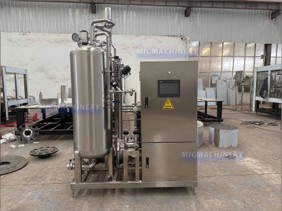
- Carbonated drink mixing machine
- Pasteurization machine
- Liquid nitrogen dosing machine
- Aseptic liquid nitrogen dosing machine
- X-ray liquid level detection machine
- Weight detector
- Metal detector food industry
- Leakage detection machine
- Inner pressure detection machine
- Automatic vacuum detection machine
- Auxiliary equipment
- Blow molding machine
-
Filling machine
-
PRODUCTION LINE
- Juice filling line
- Beer filling line
- Drink filling line
- Beverage filling line
- Water filling line
- Edible oil filling line
- Glass bottle filling line
- Pet bottling line
- Non-carbonated can filling machine
- Carbonated can filling machine
- Can seaming machine
- Sauce canning machine
- Granule canning machine
- Can production line supporting equipment
- Detection machine
-
APPLICATIONS
- Beer Bottle Filling Equipment
- Beer Canning Filling Machine
- Edible Oil Filling Machine
- Automatic Juice Filling Machine Price
- Soda Bottling Equipment
- Plastic Bottle Filling And Sealing Machine
- Water Filling Equipment
- Water Bottle Filling System
- Laser Batch Coding Machine
- Fruit and Vegetable Processing Machinery
- Dairy Processing Equipment
- Alcoholic Drink Production Machinery
- Water Treatment Plant Equipment
- Aseptic Cold Filling Machine
- Blowing Filling Capping Machine
- Bottle Blowing Machine
- Semi Auto Bottle Blowing Machine
- Biological Fermentation Engineering
- Bone Broth Osteoin Bone Peptide Production Line
- Extractive Beverage Processing Production Line
- Tomato Carrot Vegetable Processing Line
- Citrus Fruit Processing Line
- Apple Pear Fruit Processing Line
- Mango Fruit Processing Line
- Peach Apricot Plum Fruit Processing Line
- Date Jujube Hawthorn Fruit Processing Line
- Plant Protein Drinks Processing Line
- Tea Beverage Production Line
- Rear Packaging Production Line
- 5 Gallon Water Filling Line
- 0.5T Fruit Juice Pre-Treatment Line
- Carbonated Beverage Pretreatment Equipment
- ABOUT MICMACHINERY
- MICMACHINERY ACTIVIES
- CONTACT US
Select Language