Pressure filling for liquids is not one universal method. Use gravity or normal-pressure filling for many still, free-flowing beverages. Use counter-pressure or isobaric filling when the product is carbonated and the package must be pressurized before liquid enters. A viscous still product may need pump-assisted, piston, or another positive-displacement method, which is different from isobaric filling.
The words "pressure filler" are used inconsistently in quotations. A buyer should compare the actual fill cycle, product tank condition, metering method, bottle seal, gas route, and depressurization sequence. The machine label alone leaves those functions undefined.
Four filling terms buyers should separate
|
Term
|
How liquid moves
|
Typical product condition
|
What to confirm
|
|
Gravity filling
|
Static head above the valve moves product into the container
|
Still, low-viscosity liquid
|
Tank level control, fill-level or volumetric endpoint, vent path, temperature, and foam
|
|
Normal-pressure filling
|
Product tank and container are near atmospheric pressure; gravity commonly provides the flow
|
Still water, some juices, teas, and other free-flowing non-carbonated drinks
|
Supplier's exact valve design because the term often overlaps with gravity filling
|
|
Pump-assisted or positive-pressure filling
|
A pump, piston, or other mechanism creates the force needed to meter or move product
|
Viscous, shear-sensitive, particulate, or difficult-flowing liquid, depending on the chosen technology
|
Metering principle, pressure limit, product damage, particles, drip control, and cleaning
|
|
Isobaric or counter-pressure filling
|
The container is pressurized to approach the product-tank pressure before liquid flow; gas is vented in a controlled cycle
|
Carbonated water, soft drinks, beer, and other carbonated beverages
|
CO2 level, product temperature, pressure rating, purge and return-gas steps, snift profile, and closing delay
|
Krones describes one of its aseptic fillers as using non-contact filling for still products and the counter-pressure principle for carbonated products. That first-party equipment description illustrates the process distinction without implying that every filler uses the same valve: Krones Modulfill Asept VFJ.
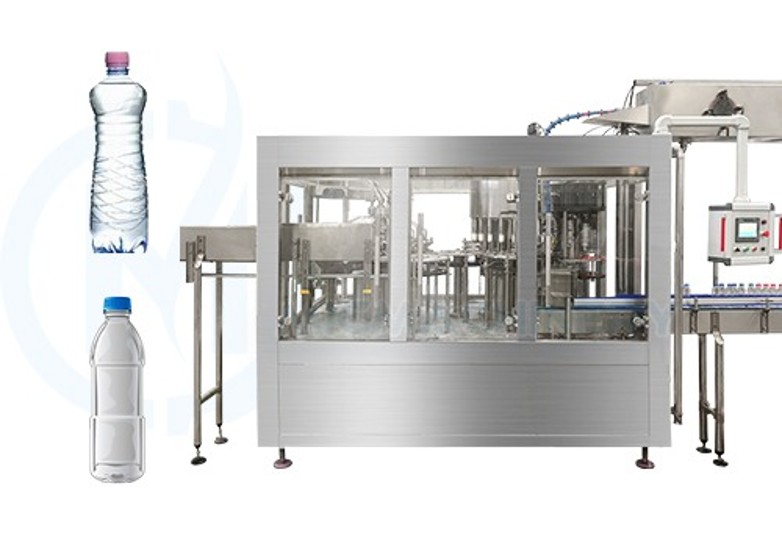
Figure 1. A gravity filling system is a common starting point for still, free-flowing products such as water. Image source: MIC Water Filling Machine.
How a gravity bottle filler works
The product vessel is positioned above or otherwise supplies a stable liquid head to the filling valves. When a valve opens, product enters the bottle while displaced air leaves through the valve or vent path. The endpoint may be a fixed liquid level, a measured volume, mass, or flow-meter target. "Gravity" describes the driving force. The quotation must identify the measurement method separately.
This gravity filling system fits many still liquids because it avoids a container pressurization and depressurization cycle. It can also reduce the number of gas-control components in the filler. Actual capital cost, maintenance effort, and cleaning time depend on the machine design, automation, valve count, instrumentation, hygienic standard, and line integration.
Gravity filling becomes difficult when viscosity restricts flow, particles obstruct the valve, foam reaches the vent too early, or the container cannot vent consistently. Increasing the tank head or valve opening corrects only specific causes. The process may require a different valve, temperature control, deaeration, bottom-up filling, a volumetric endpoint, or a positive-displacement technology.
How an isobaric filler works
A counter-pressure cycle normally seals the empty container to the valve, purges it where specified, raises container pressure toward the product vessel pressure, admits product while gas exits through a controlled path, and then depressurizes the headspace before the container leaves the valve. The closer must receive the container before excessive gas loss or foam changes the fill and product condition.
The matched-pressure environment reduces the sudden pressure drop that promotes dissolved CO2 release. Product temperature, carbonation, pressure, valve timing, container geometry, headspace, and closure timing all influence foam and gas retention. Confirm acceptable performance in a product-and-package trial.
The current MIC catalog separates carbonated drink filling machines from water filling machines. Its current water-line page lists gravity filling for the shown PET water-filling series, while the carbonated category describes counter-pressure technology. These manufacturer descriptions apply to the listed categories; each project still needs a confirmed configuration.
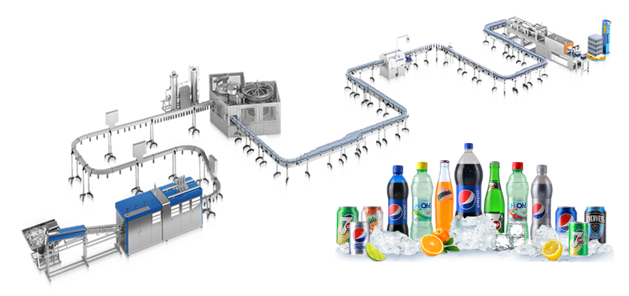
Figure 2. An isobaric filler belongs in a pressure-controlled line that also manages product temperature, gas, venting, and closure timing. Image source: MIC Carbonated Drink Filling Machine.
Match the filling method to beverage behavior
|
Beverage
|
Likely starting point
|
Conditions that can change the choice
|
|
Still water
|
Gravity or normal pressure
|
Bottle stiffness, fill endpoint, hygiene, oxygen target, and speed
|
|
Still clear juice or tea
|
Gravity, normal pressure, or non-contact volumetric filling
|
Hot-fill temperature, foam, pulp, oxygen sensitivity, sanitation, and shelf-life process
|
|
Nectar, smoothie, sauce, or syrup
|
Pump-assisted, piston, or another product-specific metering method
|
Apparent viscosity at fill temperature, particles, shear, aeration, cleanability, and fill accuracy
|
|
Carbonated soft drink or sparkling water
|
Counter pressure or isobaric
|
Carbonation, temperature, package pressure rating, foam, purge strategy, and closure
|
|
Beer, cider, or sparkling alcoholic drink
|
Counter pressure or another validated pressure-controlled route
|
Dissolved oxygen target, foam behavior, carbonation, pasteurization plan, and closure
|
|
Still hot-filled beverage
|
A hot-fill-compatible gravity or volumetric design
|
Scheduled fill condition, recirculation, stop control, bottle heat resistance, and cooling
|
These are engineering starting points. The final machine should be selected after the supplier has tested the real product and package under the intended process conditions.
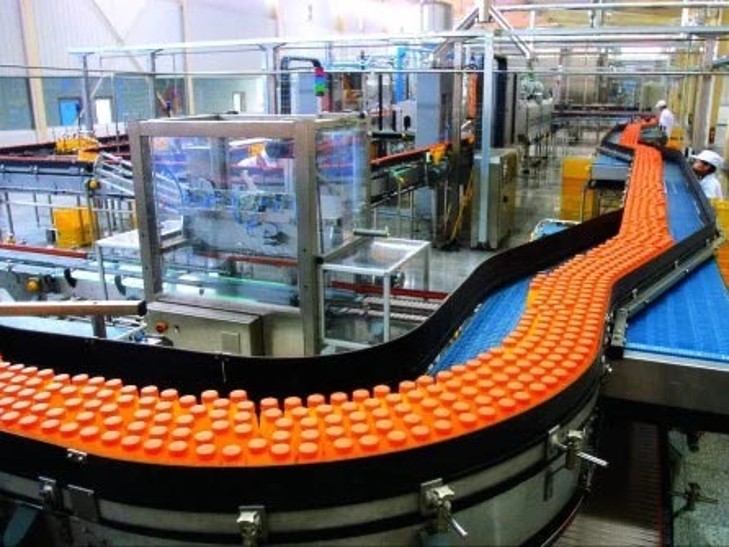
Figure 3. Still juice may use gravity, normal-pressure, volumetric, or pump-assisted filling depending on viscosity, pulp, foam, temperature, and hygiene requirements. Image source: MIC Juice Filling Machine.
Carbonation usually decides the pressure question
A carbonated product stores dissolved gas under product-specific temperature and pressure conditions. An open atmospheric fill causes a rapid pressure change and can create gas breakout and foam. Counter-pressure filling controls that transition. It also adds a pressurized bowl or product path, gas valves, pressure-rated components, purge or return-gas functions where specified, and a controlled release step.
For still products, specify which pressure-system components serve a defined process need. Treat a pressure-capable filler as a mixed-portfolio option only when the quotation explains how it runs each product, how changeover and cleaning work, and which output applies to every SKU.
Viscosity and particles require a separate decision
Many quotations use "pressure filling" to describe a pump that pushes a viscous liquid. Isobaric filling instead equalizes bottle and tank pressure for carbonation. Ask the supplier to state the metering and displacement principle.
For a nectar or pulpy drink, send viscosity data at the planned filling temperature and define particle size, shape, concentration, settling behavior, and allowable shear. A broad category such as juice filling machine gives useful commercial context, but the word "juice" alone gives a supplier too little information to select a valve. Recirculation used to keep solids suspended can add aeration or damage fragile inclusions, while a large valve chosen for particles may be harder to meter at a small fill volume.
Container design affects the valve interface
Counter-pressure filling requires the container to seal against the valve and tolerate the cycle pressure with the approved support method. Glass is rigid but requires impact and defect control. PET performance depends on the bottle design, material distribution, neck finish, temperature, carbonation, and handling. Thin-walled containers can also deform under contact, vacuum, or top load during a nominally low-pressure fill.
Define bottle drawings, neck finish, closure, brimful and target fill volumes, allowable headspace, top-load requirement, and pressure or vacuum limits. Use production samples from the intended packaging source for trials.
Compare accuracy by the measurement method
A fixed-level filler is useful when the visible liquid height must remain consistent in containers with controlled internal volume. Volumetric, mass, or flow-meter filling targets a measured quantity. Bottle-volume variation can make equal levels correspond to different quantities, while foam or bubbles can disturb some sensing methods.
Ask how the filler detects the endpoint, how accuracy is specified, which product and container the guarantee covers, and how rejects are identified. An accuracy claim without test speed, sample size, temperature, foam condition, container tolerance, and acceptance method is incomplete.
Equipment and operating differences
Pressure-controlled equipment needs an approved pressure design, relief and interlock functions, gas supply and regulation, controlled venting, and maintenance procedures for the additional valve circuits. Gravity equipment still needs hygienic product paths, stable tank level, reliable venting, and cleaning coverage.
For both methods, define:
- product-contact materials, seals, surface finish, drainability, and chemical compatibility;
- CIP circuits, flow path, concentration, time, temperature, return criteria, and parts that require manual cleaning;
- recipe controls, changeover steps, tool requirements, access, and verification;
- upstream product condition and downstream closing, inspection, rejection, and accumulation;
- utilities at the required pressure, quality, temperature, and flow under simultaneous load.
Compare the full project cost
Gravity equipment can have a simpler fluid and gas circuit, while counter-pressure equipment adds pressurized and gas-control functions. Project cost also follows output, automation, valve count, filler enclosure, instrumentation, clean-room or aseptic scope, format range, change parts, cleaning system, closer, inspection, documentation, and supplier responsibilities.
Compare quotations through a common responsibility matrix. Check whether the quoted price excludes carbon dioxide supply, compressors, product chilling, CIP, cap handling, conveyors, coding, inspection, spare parts, installation, or acceptance testing.
Run a product-based FAT
Use water-only testing to confirm mechanical movement and basic filling. Carbonation retention, foam control, pulp handling, viscous flow, oxygen pickup, hot-fill behavior, and cleanability require the approved product or a documented test medium that reproduces the relevant properties.
Record saleable output, fill result, foam, product loss, container damage, closure condition, alarm response, stop and restart behavior, changeover, and cleaning evidence. For a counter-pressure line, include product temperature, carbonation condition, pressure settings, purge sequence where used, and time from fill completion to closure.
FAQ
Is pressure filling for liquids always used for carbonated drinks?
No. Counter-pressure filling is used to manage gas release in carbonated products, while pump-assisted or positive-displacement filling uses force to move or meter liquids that do not flow well by gravity. A supplier should name the exact filling principle rather than quote a generic pressure filler.
When is a gravity bottle filler the better choice?
A gravity bottle filler is a practical starting point for a still, free-flowing liquid when its valve, vent path, fill endpoint, hygiene design, and required output match the product and bottle. Viscosity, particles, foam, or unstable containers can change that decision.
What data does an isobaric filler supplier need?
Provide carbonation, product temperature, operating pressure, foam behavior, container pressure rating, fill target, headspace, closure, output, and the required purge and gas-return strategy. These conditions should also appear in the acceptance test.
Is normal-pressure filling the same as gravity filling?
The terms often overlap in beverage quotations, but they do not define the valve, product tank, vent path, or fill endpoint. Require a fill-cycle description and a process diagram so that every supplier is pricing the same operating principle.
Can one filler handle both still and carbonated beverages?
Only when the filler, product circuit, pressure controls, valves, closures, sanitation program, and package formats are configured and tested for both duties. Request output, changeover, cleaning, and acceptance conditions for every planned SKU rather than a general compatibility statement.
RFQ checklist
Send the supplier:
- Formula and beverage category, including carbonation, dissolved oxygen target if relevant, pH, viscosity at fill temperature, pulp, particles, and foaming behavior.
- Process condition at the filler, including temperature, pressure, recirculation, and sanitation requirement.
- Container and closure drawings, samples, fill target, headspace, and pressure or vacuum limits.
- Required saleable output for each SKU, production schedule, changeover frequency, and future products.
- Cleaning program, utilities, factory environment, and applicable regulatory or customer standard.
- FAT method, acceptance limits, data to record, and responsibility for the test product and packaging.
State the filling principle in every quote
Choose gravity or normal-pressure filling for a free-flowing still product when the valve, venting, hygiene, and measurement method meet the specification. Choose counter-pressure filling for carbonated beverages when the complete pressure, foam, gas, package, and closing system has been validated. Choose a product-specific positive-displacement or pump-assisted method when viscosity, particles, or metering cannot be handled by gravity.
Every proposal should include the fill-cycle description and test basis. Without them, the words "gravity" and "pressure" can hide different equipment and performance assumptions.