What Is Root Beer? The Fizzy, Foamy, All-American Icon
Root beer carries strong nostalgic feelings for many people. People picture frosty cups, thick foam and relaxed summer moments at the mention of this drink. The word beer sits in its name, but root beer belongs to soft drinks. People want to know exactly what root beer really is. It is a sweet bubbly drink with no alcohol. Makers use plant roots, tree bark and wild berries to form its classic flavor formula. This article covers its origin story, raw material features, production methods and the reasons it stays popular across generations.
A Drink by Any Other Name
|
|
|
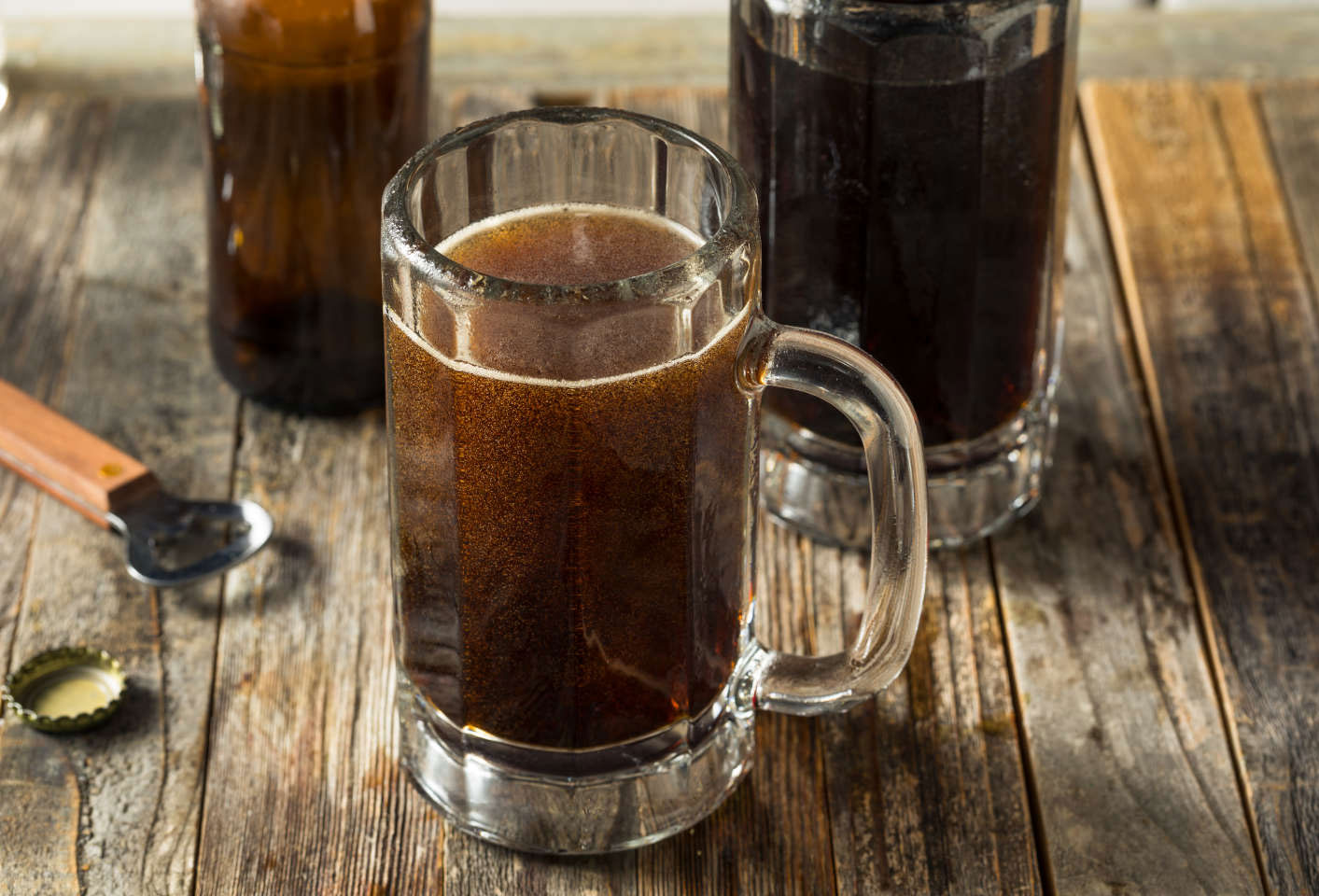
Many people feel confused about the name of root beer. Most commercial root beer has no alcohol inside. The word beer comes from its early form. People made it at home as a light fermented drink, just like traditional ginger beer. Modern root beer has a rich mixed flavor. Core tastes come from sassafras or artificial sassafras flavor, vanilla, wintergreen, cherry bark, licorice and anise. These natural materials create a smooth sweet taste with light herbal hints. This flavor style belongs only to American local drinks.
|
Traditional Ingredients: Roots, Bark, and Berries
People learn the nature of root beer through its raw materials. Early makers used a mix of herbal plants to brew root beer. Common materials included sassafras root as the main flavor base, sarsaparilla root, licorice root, vanilla beans, wintergreen leaves, burdock root and dandelion root. Workers boiled these natural ingredients to release flavor, then added sugar and injected carbon dioxide gas. The finished drink had a rich earthy sweetness. Artificial flavor blends cannot copy this natural taste perfectly. Sassafras root brings the one-of-a-kind flavor people link to root beer, a balanced mix of wintergreen and vanilla notes.
The Sassafras Question
|
Sassafras decides the classic taste of traditional root beer. Researchers found safrole inside sassafras could cause cancer in lab rats. The FDA banned safrole use in 1960. Large drink brands had to switch to artificial flavor formulas. Most commercial root beer now uses safrole-free plant extracts or man-made blends to copy the old flavor. Small craft makers and home brewers still use natural sassafras. They hold the view that small intake brings little health risk. The mainstream root beer flavor today still follows the original earthy and spicy taste style from old recipes.
|
|
|
Root Beer vs. Beer: A Fundamental Difference
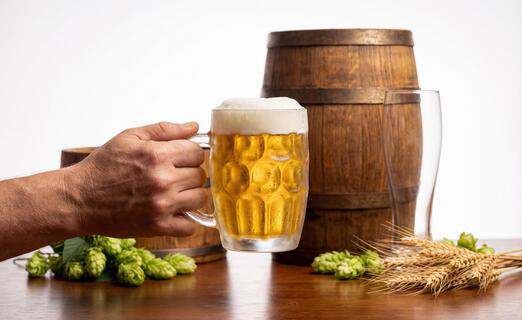
People easily mix root beer up with regular beer because of the shared name. But what is beer made of? Real beer uses four fixed raw materials. They are pure water, malted barley grains, hops and brewing yeast. Grain starch turns into fermentable sugar. Yeast works to produce alcohol during brewing. Root beer acts as a flavored carbonated drink. It does not use malted grains as a base material. Commercial root beer does not go through fermentation at all. Makers only mix water, sugar, flavor essence and carbon dioxide gas for production.
People can tell the two drinks apart clearly by learning beer production steps. Traditional beer making needs several fixed steps. Workers soak broken malted grains in hot water to draw out natural sugar. They boil the sugar liquid with hops to add bitter taste and extend shelf life. They cool the liquid down and add yeast to turn sugar into alcohol. The whole process takes several weeks. Root beer production follows much simpler steps. Makers mix water, sugar and flavor extracts or brewed herbal tea. They add carbon dioxide through machine pressure or short-time mild fermentation. This light fermentation produces almost no alcohol content.
|
|
|
Beer owns a long history with great research value. Old relics prove beer first appeared between 3400 and 3500 BCE in Mesopotamia. Real beer has stayed as a daily drink for human society for thousands of years. Root beer is a product of modern times. It first appeared in America in the 19th century. People made it at home as a light fermented health drink at first. It later turned into the sweet non-alcoholic soda people know today. Root beer counts as a new drink when placed in the long history of fermented beverages.
|
The Fermentation Question: Does Root Beer Have Alcohol?
Alcohol content becomes a key point to tell different root beer types apart. Early root beer was a light fermented drink. Its alcohol content stayed below 2% ABV. Modern commercial brands like A&W and Barq’s make totally non-alcoholic root beer. The production method matches regular soda completely. Some handmade brewed root beer still uses traditional fermentation. Its alcohol level falls between 4% and 7% ABV. Sellers mark these products as hard root beer. They sell the drinks in alcohol shops together with fruit cider. The definition of root beer changes with different production formulas, from common soda to alcoholic drinks.
|
Readers can judge root beer alcohol content better with standard beer data for reference. Ordinary lager beer holds 4% to 5% ABV. Light beer stays between 3% and 4% ABV. IPA beer reaches 6% to 7.5% ABV. Strong imperial stout can go over 10% ABV. Hard root beer keeps the sweet taste of regular root beer. Its alcohol strength is close to pale ale at 4% to 6% ABV. Ordinary commercial root beer contains zero alcohol for all servings.
|
|
|
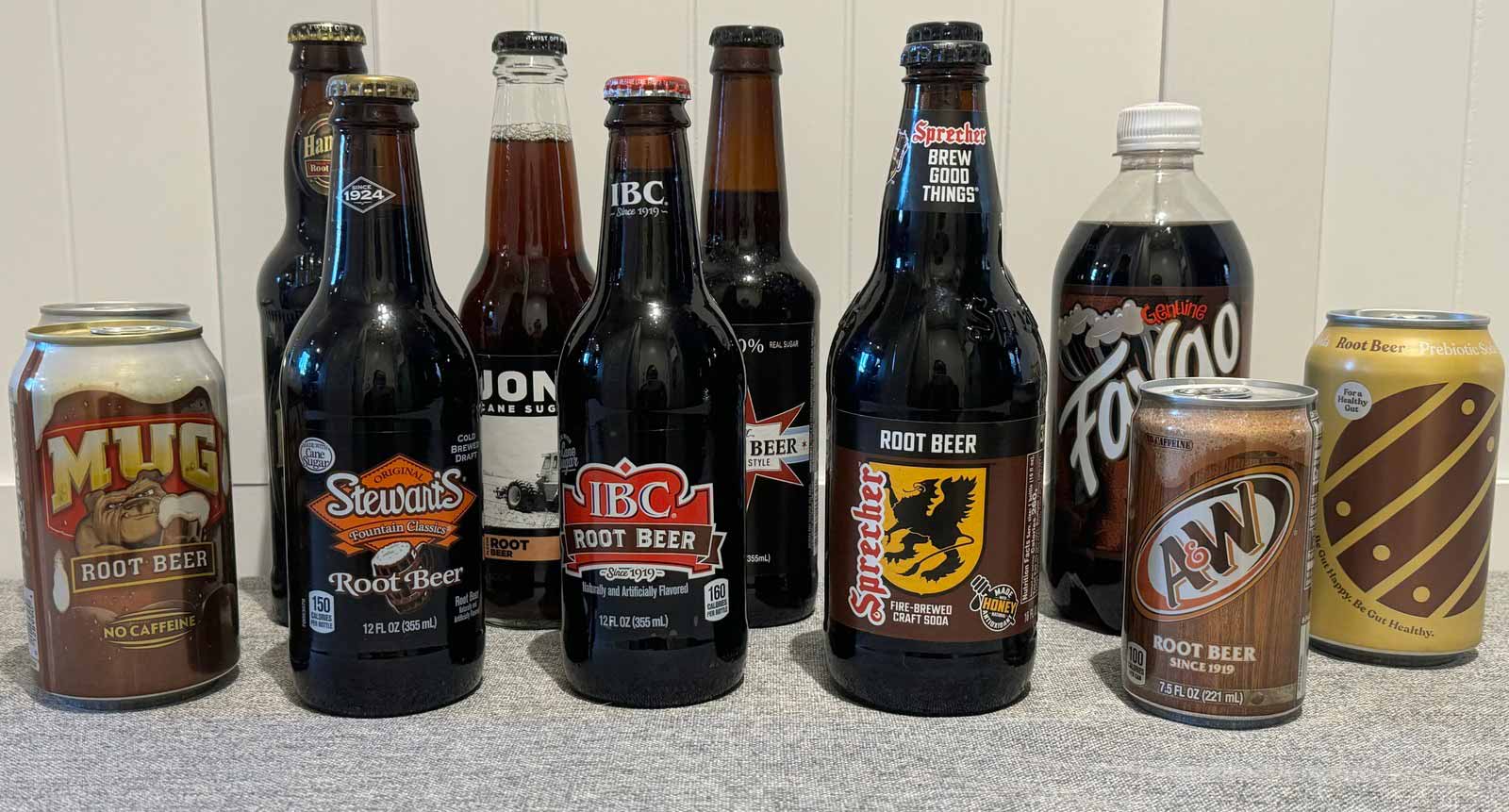
People care about storage time for all kinds of drinks. Beer will not make people sick after its marked date. It will lose original flavor and carbonation over time. Root beer follows the same rule. The real question is does beer go bad? In terms of safety, no. But the flavor degrades. Root beer keeps its best flavor for 6 to 9 months. The drink stays safe to drink for many years after that. Carbonation leaks slowly over time. Vanilla and wintergreen flavor notes turn plain and weak.
How Long Does Beer Last?
The shelf life of beer changes with different beer types. Fresh IPA beer tastes perfect within three months. Its flavor turns bad after one year of storage. High-strength stout beer can develop better taste after five years of storage. Root beer follows the opposite rule. It tastes best when people drink it fresh within 3 to 6 months after production. The natural aromatic oils that form root beer’s unique flavor break down fast in storage. Factories use professional beer filling machine to make alcoholic beer. The same type of equipment applies to root beer production. It locks out outside air to protect flavor and bubble state.
The Role of the Beer Filling Machine
|
|
|
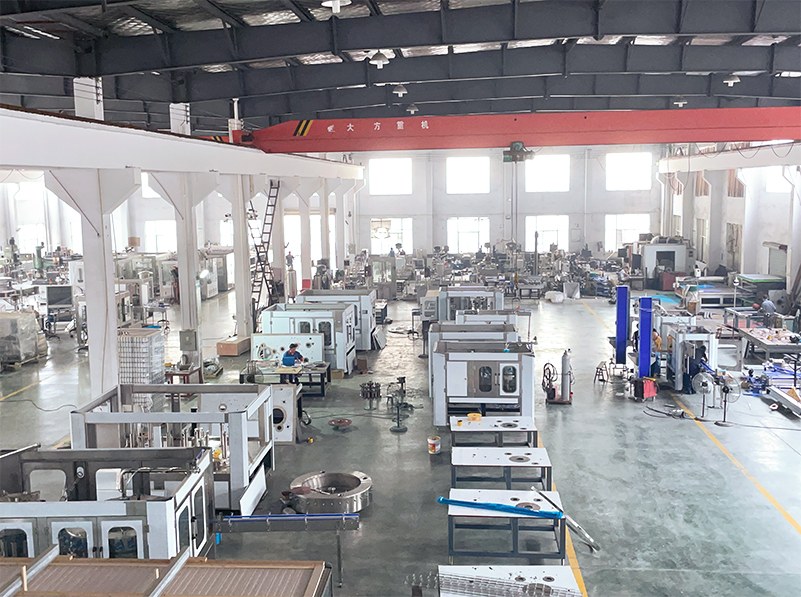
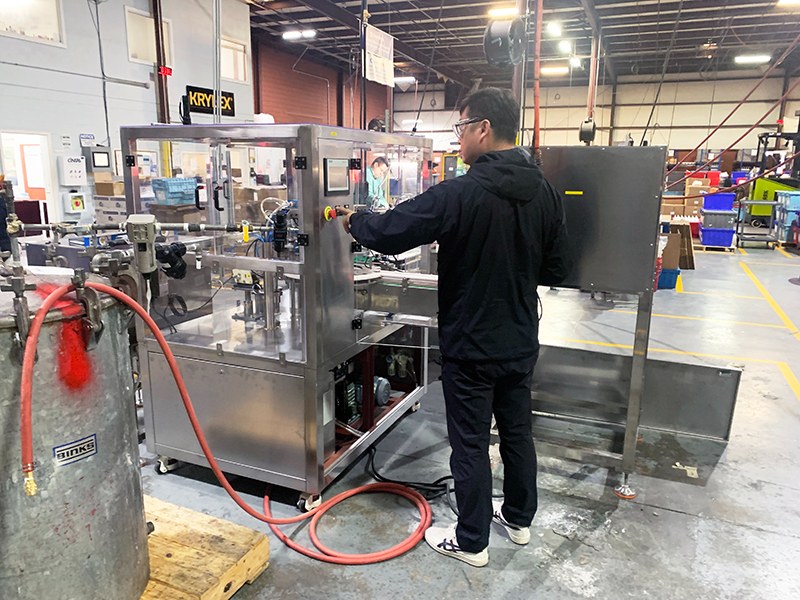
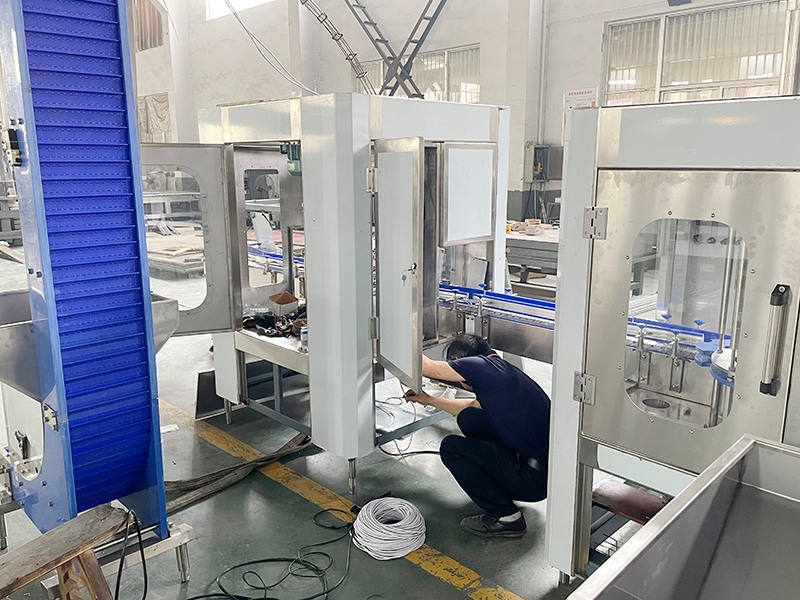
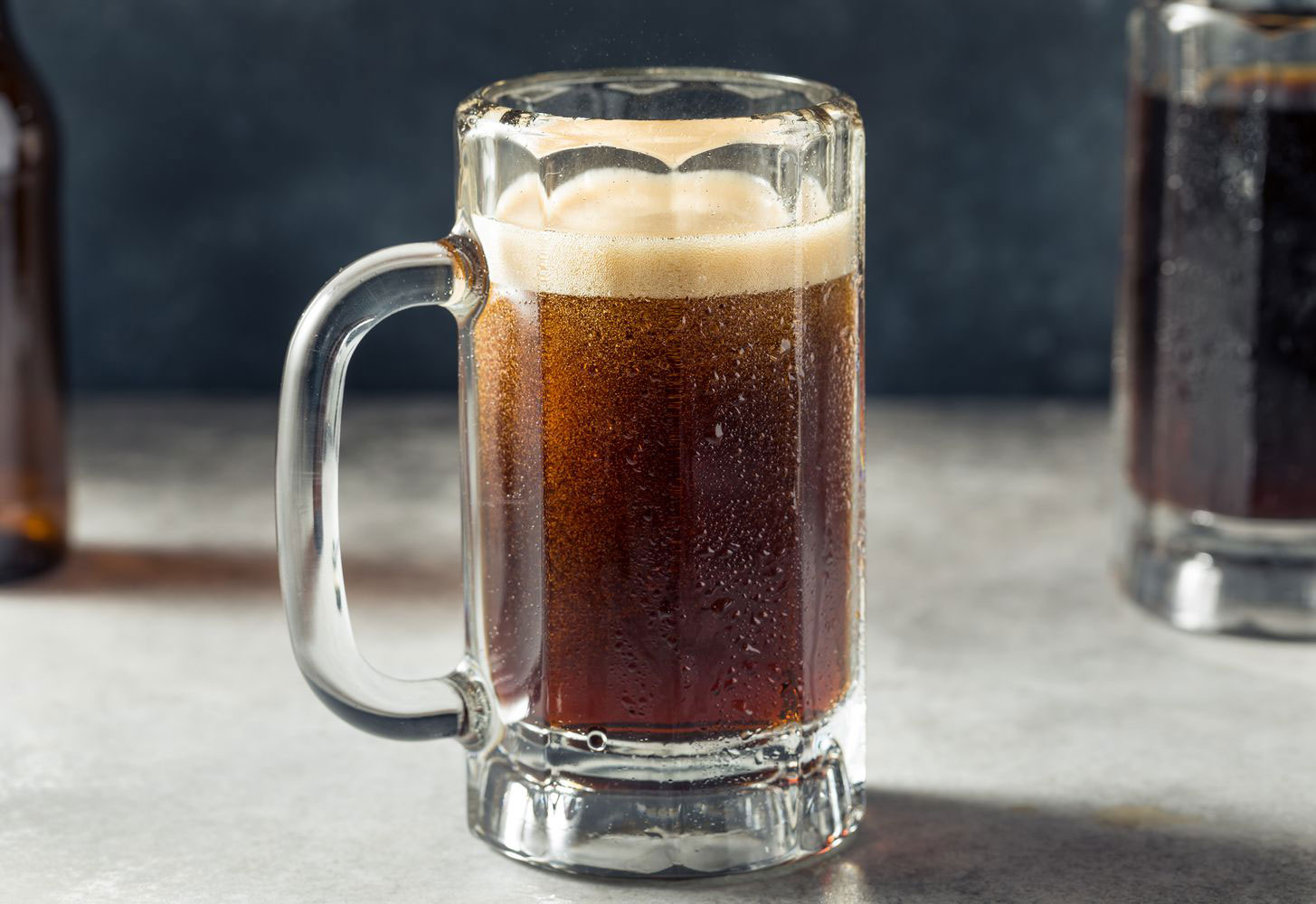
Root beer does not belong to real beer, but it uses the same packaging production lines in most factories. Beer filling machines fill liquid into bottles and cans. The equipment cuts down oxygen contact as much as possible. Oxygen destroys the fresh taste of both beer and root beer. The machine fills containers with carbon dioxide first to drive out air. It then pours root beer into the sealed space. This process keeps the drink fizzy and flavorful for a longer time. This technical support lets commercial root beer keep steady taste quality all year round.
|
Root Beer Floats and Modern Culture
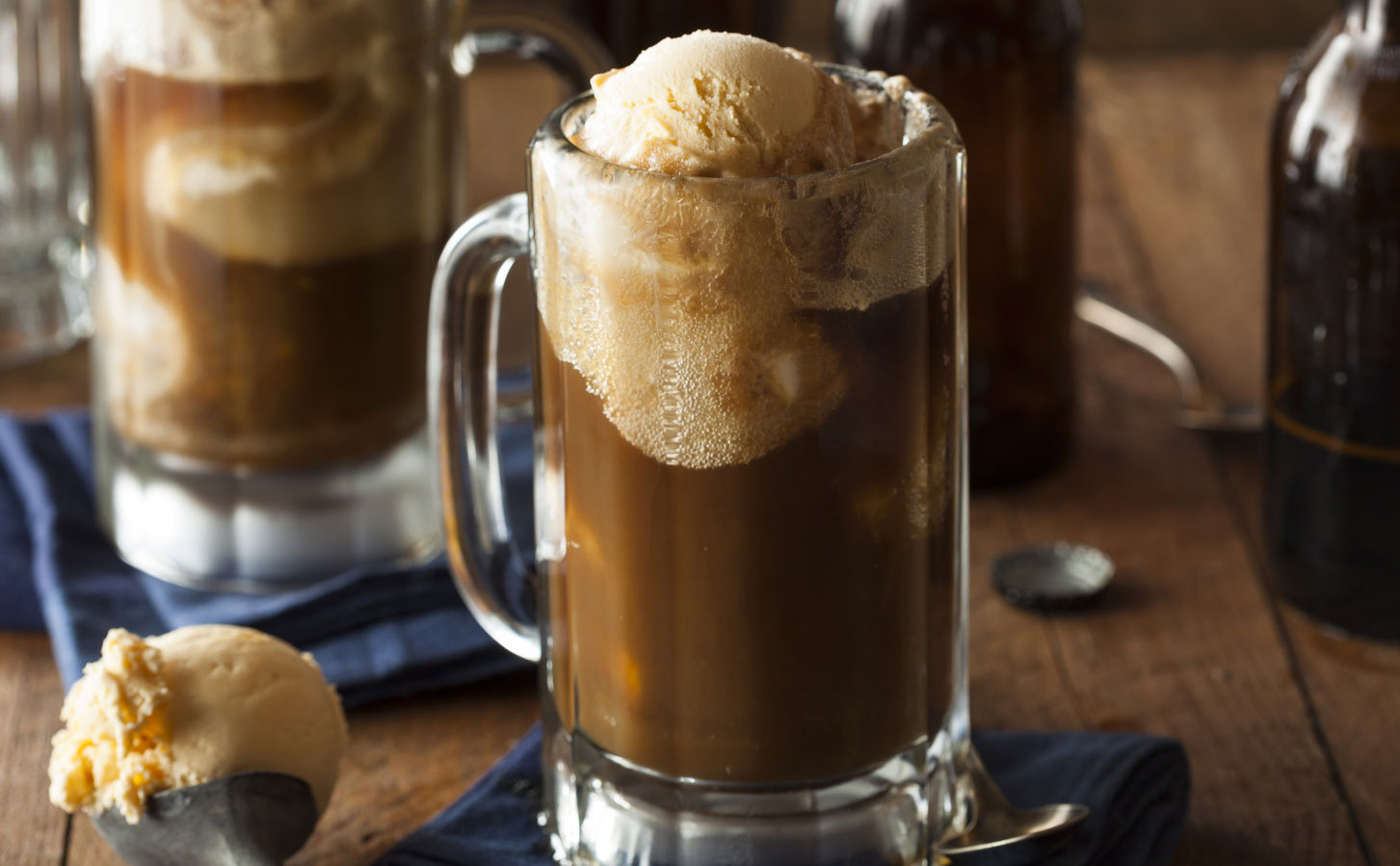
People cannot talk about root beer culture without mentioning the classic root beer float. Frank J. Wisner created this treat in 1893. The mix uses vanilla ice cream and root beer in a tall glass. Creamy vanilla flavor blends with spicy bubbly root beer. The combination creates a special dessert taste better than single ingredients alone. It stands as a classic American snack. Ice cream shops and soda stores still serve it widely today. This classic match shows root beer can work as both a daily drink and a food ingredient.
Conclusion: A Soda, Not a Beer
People get a clear definition of root beer from full content. It is a typical American soft drink. It has a rich mix of vanilla, wintergreen and herbal plant flavors. Its original formula takes sassafras as the core raw material. Root beer has no link with traditional grain-brewed beer in raw materials and production logic. It shares the word beer with ancient fermented drinks, but it is a modern original creation. People may worry about beer expiry date and alcohol content of beer. Root beer gives a safe sweet alternative suitable for all age groups. Factories use precise beer filling machines for packaging. The creamy foamy taste of root beer stays the same now as it was a century ago. People can enjoy this classic drink with ease.