Does Beer Have Sugar? The Truth About Carbohydrates in Your Brew
Health-focused drinkers pay close attention to daily sugar intake. People often ask one simple question: does beer have sugar? This question cannot get a plain yes or no answer. Most classic beers hold only a small amount of leftover sugar after fermentation ends. Drinks like soda carry far more added sugar by comparison. The real sugar level ties to brewing steps, beer types and extra ingredients added after fermentation finishes. This article shares basic science facts, health effects and common real details about beer sugar. It helps every drinker pick beer with clear and correct knowledge.
|
|
|
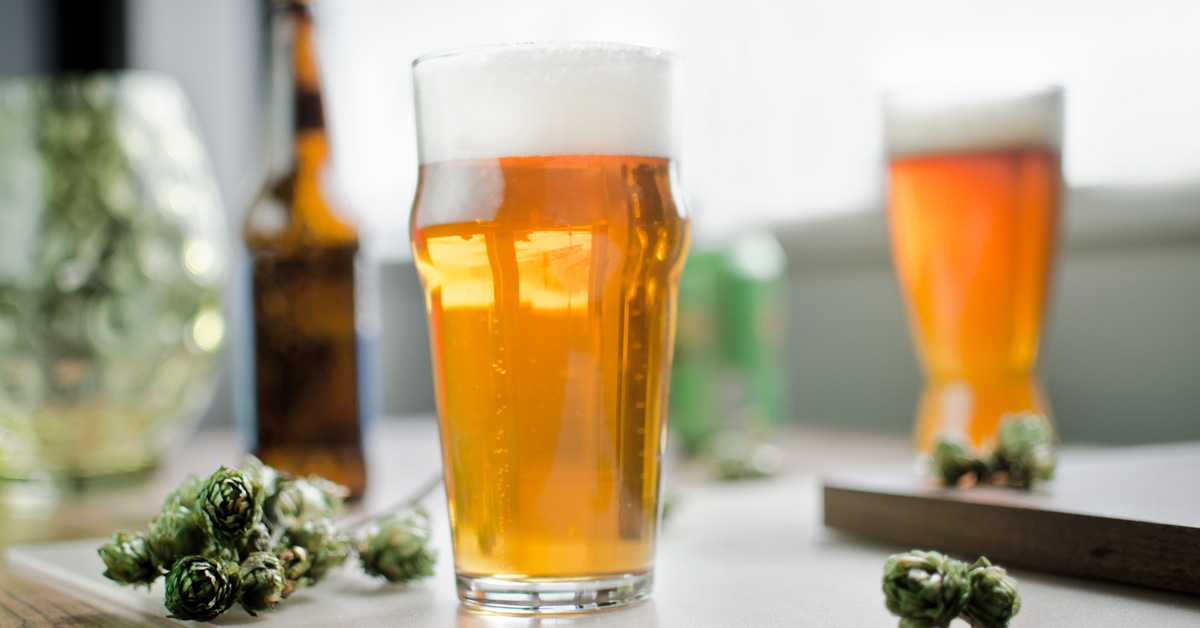
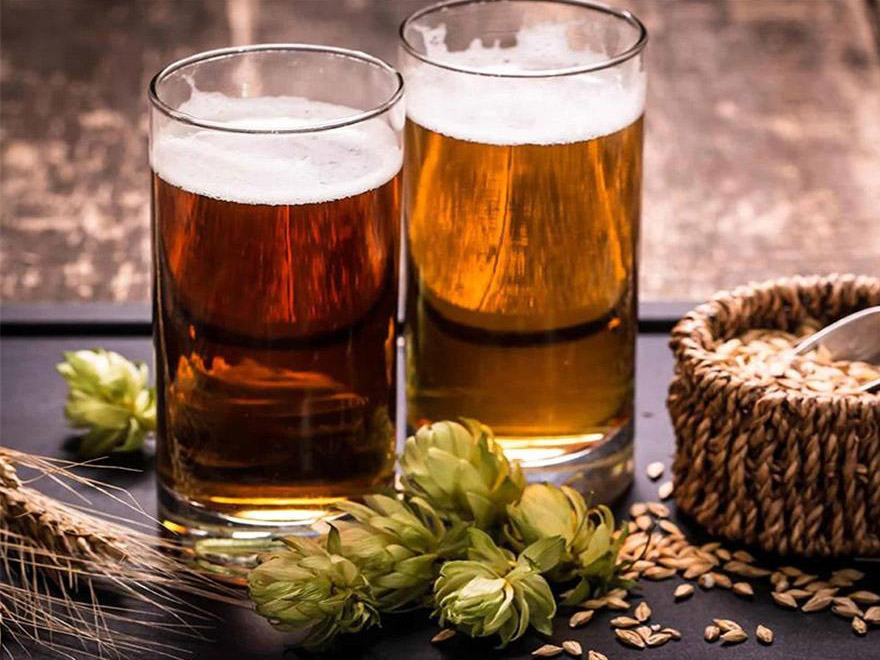
People need to learn beer’s basic ingredients first to understand its sugar content. Beer production depends on four core raw materials. People have used these four materials to make traditional beer for thousands of years. Water takes up over 90 percent of finished beer and acts as the main liquid base. Brewers use malted grains such as barley, wheat and rye. These grains hold starches that turn into sugar first and become alcohol later in production. Hops are special plant
|
flowers. They add bitter taste, natural smell and light antiseptic effects to beer. Yeast is a tiny living organism. It drives the core fermentation reaction that changes grain contents into beer.
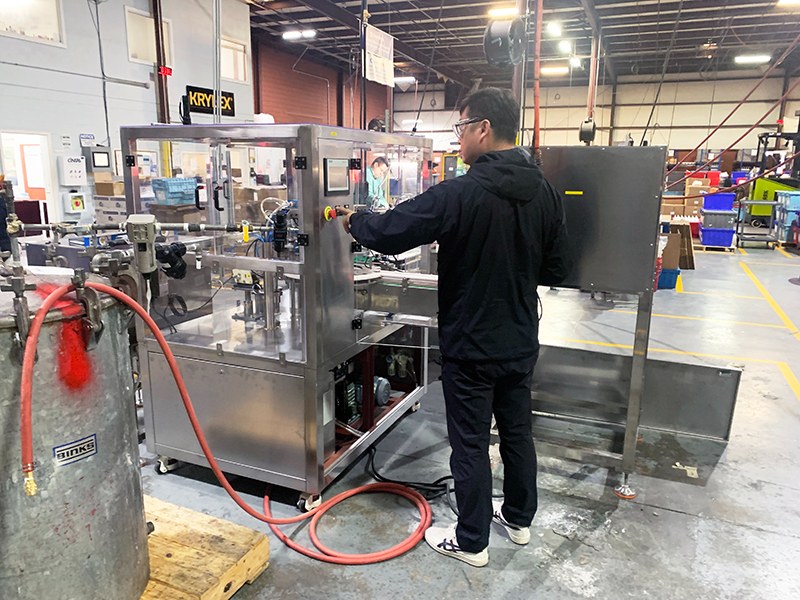
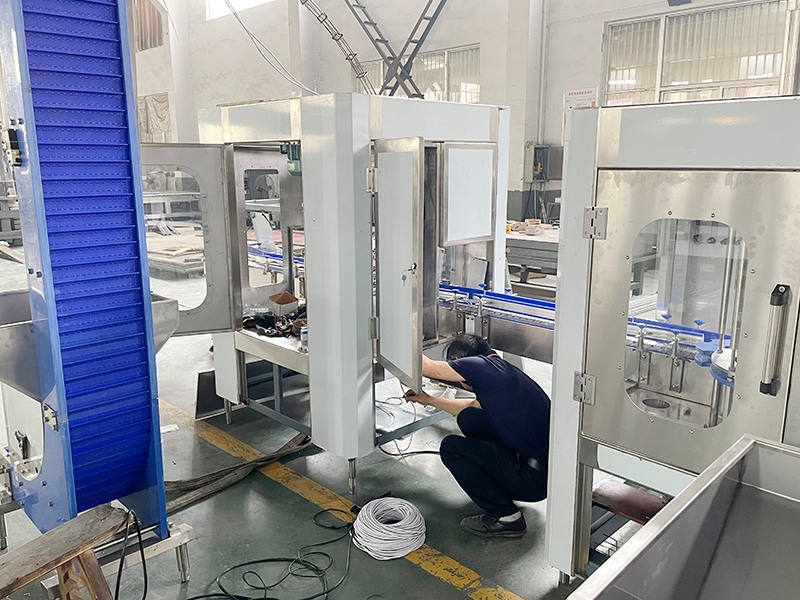
People can track sugar changes clearly by learning standard beer making steps. Workers start the process with mashing work. They soak crushed malted grains in hot water. Natural enzymes inside grains break down grain starches into simple sugar. This sweet raw liquid gets the name wort. Staff boil the wort liquid together with hops next. Workers cool down the mixed liquid and add yeast into it. Yeast eats up the sugar inside wort. It creates alcohol and carbon dioxide gas at the same time. Brewers store and stabilize the finished beer after fermentation. Workers then pack the beer with professional beer filling machine for sale.
|
Beer’s long history also connects with its early sugar content changes. People start to wonder about the first birth time of beer. Old relics and research prove beer first appeared between 3400 BCE and 3500 BCE in Mesopotamia. It ranks as one of the oldest handmade drinks in human history. Early beer products differ greatly from modern beer styles. Old beer had thick texture. Makers mixed bread and extra starch materials into early formulas. It held much more sugar and tasted sweeter due to weak early fermentation skills. Brewers
|
|
|
kept improving production methods through long years. They cut down leftover sugar in beer and made beer taste cleaner with better storage stability.
Beer shelf life stands as another key point that most beer lovers care about. Every drinker wants to know the normal usable time of bottled beer. Beer storage time changes with beer style, packing ways and daily storage environments. IPA beer with strong hop flavor tastes best within 3 to 6 months after production. Common light lager beer keeps fresh for 4 to 6 months. Dark stout beer and barley wine beer have high alcohol strength. They can stay good for several years with correct storage work. The beer filling machine plays a key role in this link. It limits outside oxygen from touching beer during packing and slows down spoilage. People can store all beer types in cool dark spaces. This simple method extends beer fresh time effectively.
How Much Sugar Is Actually in Different Beers?
|
|
|
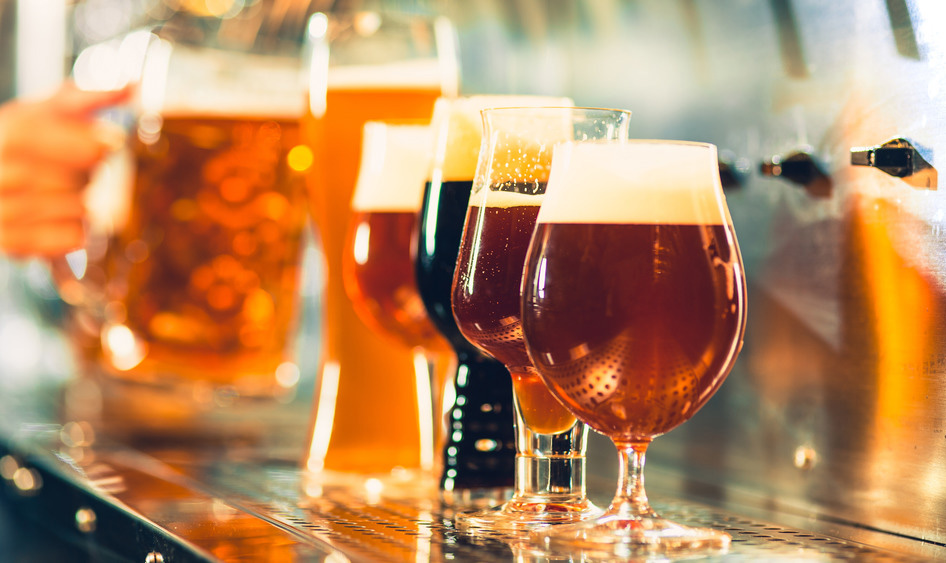
Beer sugar data shows clear differences across different beer styles. A 12-ounce cup of light lager beer has 0 to 1 gram of sugar. Regular lager beer and pilsner beer contain 1 to 2 grams of sugar per same serving size. IPA beer and pale ale beer carry 1 to 3 grams of sugar. Sweet stout beer and Belgian tripel beer hold 3 to 6 grams of sugar in one serving. Non-alcohol beer stops fermentation early in production. It has 2 to 10 grams of sugar per cup for this reason. A 12-ounce cup of cola has around 39 grams of sugar. A same-size cup of orange juice contains nearly 30 grams of sugar. Beer has far lower sugar levels than these daily sweet drinks.
|
People also need to know real health effects while checking beer sugar content. Many users ask whether daily beer drinking brings good effects to the body. Doctors set clear moderate drinking rules. Women can drink one serving per day. Men can take up to two servings each day. Proper moderate beer intake links with several small health benefits. It helps raise healthy HDL cholesterol levels. It lowers common heart disease risks and kidney stone problems. A standard 12-ounce lager beer has about 150 calories. These calories come from alcohol and small carbohydrate materials including trace sugar. Heavy beer drinking removes all potential health benefits and causes body damage.
|
Gluten content matters just as much as sugar for some special drinkers. Many people with body sensitivities ask if beer has gluten inside. Traditional beer uses barley, wheat and rye as main materials. These raw materials carry natural gluten protein. The gluten protein does not break down in mashing and fermentation steps. People with celiac disease and gluten sensitivity face health risks when drinking regular beer. It causes stomach pain, body inflammation and long-term intestinal damage. Food markets provide safe gluten-free beer
|
|
|
choices now. Makers use sorghum, rice, millet and buckwheat to brew these special beer products.
Types of Sugar Found in Beer
Drinkers learn better by knowing specific sugar types inside beer while checking sugar content. Maltose and glucose act as two main fermentable sugar types in beer. Yeast eats almost all of these two sugars fully in fermentation steps. Dextrin belongs to complex carbohydrate. It changes beer texture and thick taste, and it is not real sugar in definition. Some brewers add extra raw materials for special flavor needs. Common added items include honey, maple syrup, fruit juice and lactose. Regular beer yeast cannot break down lactose. This special sugar stays in finished beer. It adds obvious sweet taste and rich texture to final products.
Low-Sugar and No-Sugar Beer Options
|
|
|
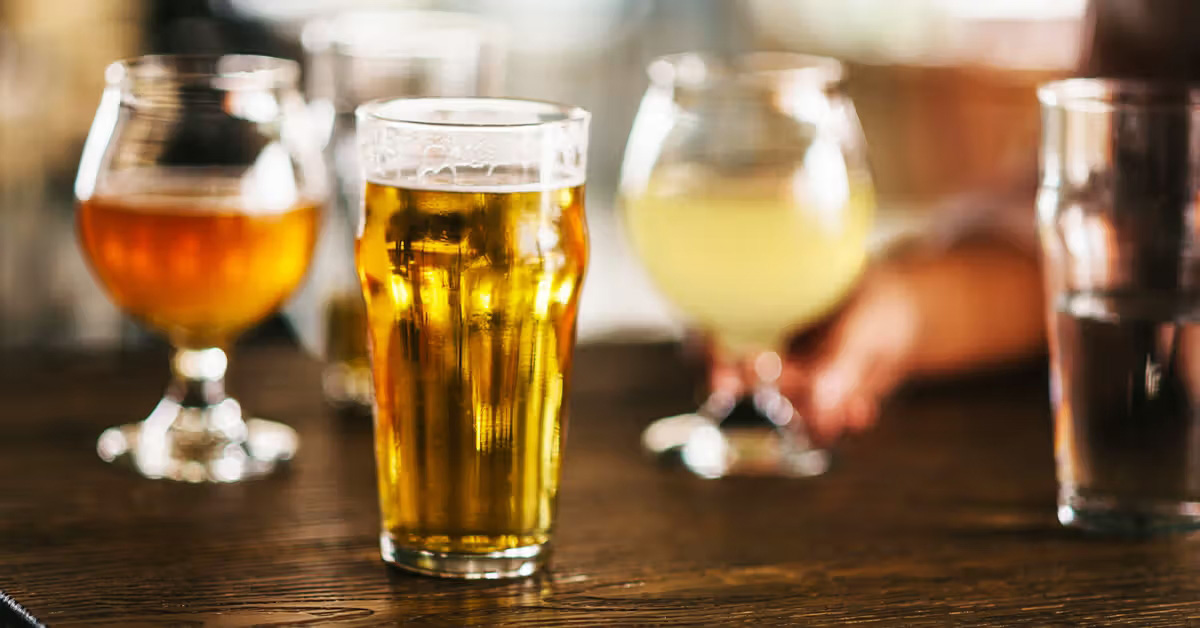
Drinkers who want ultra-low sugar beer can pick many qualified products on the market. Brut IPA beer uses a special enzyme named amyloglucosidase. This enzyme breaks down complex dextrin into fermentable sugar. Yeast digests all new sugar fully and creates dry-taste beer with almost no leftover sugar. Low-carb beer brands have fixed low-carbon formulas. Classic products include Michelob Ultra, Corona Premier and Budweiser Select. These drinks control total carbohydrate and
|
sugar content strictly. Light lager beer from large formal breweries has less than 1 gram of sugar per serving. All buyers should check product nutrition labels for exact data when labels are available.
Reading Beer Labels for Sugar Content
Sugar labels do not become a fixed rule for beer products in most countries. Soda and fruit drink brands must mark sugar data on outer packages. Beer brands do not face the same rule. This rule gap makes health-focused buyers hard to know exact beer sugar content. More craft beer makers start to share full nutrition lists on packages on their own. The list includes clear sugar and total carbohydrate numbers. People can follow simple rules to judge beer sugar levels. Dry-taste beer styles such as pilsner, brut IPA and German classic lager have the least sugar. Sweet beer types carry higher sugar content, like milk stout, fruit beer and most Belgian ale beer. Buyers can send messages to breweries or check official brand websites to get accurate data with doubts.
The Bottom Line on Beer and Sugar
People can get a clear final answer about beer sugar after learning all related facts. Most traditional beer has a small amount of sugar. The average sugar range stays between 1 gram and 3 grams for each 12-ounce serving. This sugar level sits far below soda, fresh fruit juice and other common sweet drinks. Beer’s special brewing process creates this low-sugar feature. Yeast breaks down most grain sugar and turns it into alcohol during fermentation. Basic beer ingredient knowledge helps people understand this natural material conversion. High-quality beer needs standard packing support. Reliable beer filling machine keeps beer fresh and stable. It locks fixed carbonation degree and original brew taste from factories to cups. Drinkers can pay more attention to alcohol strength and total calories than tiny sugar content. Everyone can enjoy beer in daily life with proper control and clear product knowledge. Balanced living habits and rational drinking choices always come first.