How Long Does Beer Last in the Fridge? The Complete Storage Guide
You bring leftover beers home after a party. You put these beers into your fridge. You plan to drink them on the next weekend. Your daily work keeps you busy later. One month passes quickly. Two months pass soon after. You open your fridge and ask yourself one question: how long does beer last in the fridge? The answer changes based on three key points. They are beer types, previous storage ways and pasteurization treatment. This guide explains beer shelf life, bad beer identification methods and flavor changes during storage.
Does Beer Expire?
|
|
|
We need to solve one basic question first. Does beer expire? The answer is yes, but beer expires differently from dairy or meat products. Old beer will not hurt your body. But old beer will lose its original drinking quality slowly. The printed expiration date on beer packages marks the best drinking time instead of safety limits.
Most factory-produced beers carry a best-by date on bottles or
|
cans. Breweries confirm the beer tastes best before this date. Beer flavor will turn worse after this date, but the beer is still safe for drinking. Beer will not cause physical sickness after its best-by date. It only loses good taste and drinking experience.
Does Beer Go Bad?
Readers often ask another related question. Does beer go bad? The result depends on people’s definition of the word "bad". Beer will develop bad flavors and become undrinkable after long storage. Typical bad beer signs include unpleasant skunk-like or metal smell, sour vinegar taste and weak carbonation.
Common food spoilage never happens to beer. Harmful bacteria cannot grow inside beer. Beer has alcohol components, low acid value and little internal oxygen. Bad beer only brings bad drinking feelings instead of health risks. You only need to pour spoiled beer away directly.
How Long Does Beer Last?
|
We answer the core question next. How long does beer last in refrigerated conditions? Beer shelf life varies greatly with beer styles and storage environments. Here are clear and practical storage rules for daily use.
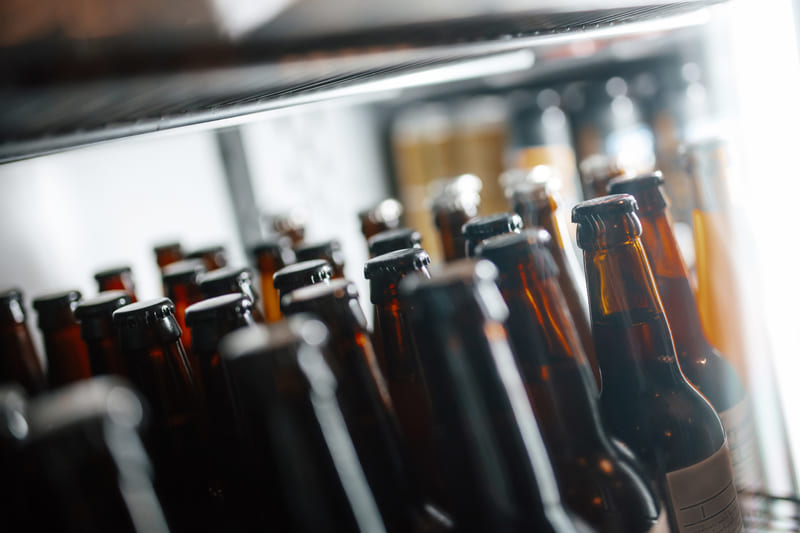
Unpasteurized craft beers include IPAs, stouts and pale ales. They stay fresh for 3 to 6 months inside a fridge. These beers contain active yeast and fresh hop ingredients. Both substances break down fast in cold storage. Hops will lose bitter taste and unique aroma over time, so drinkers should
|
|
|
enjoy IPAs as fresh as possible.
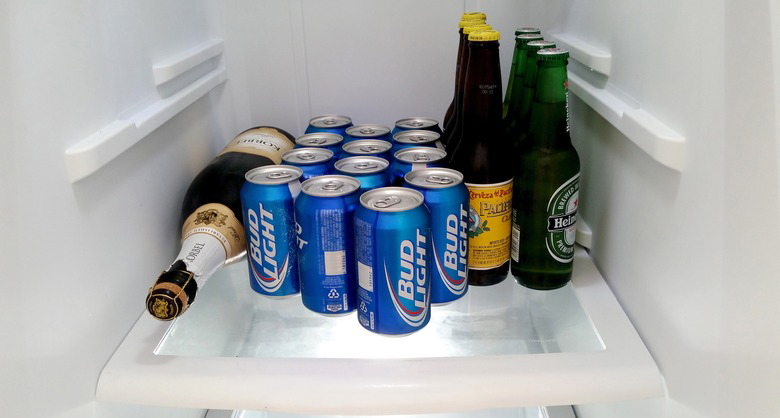
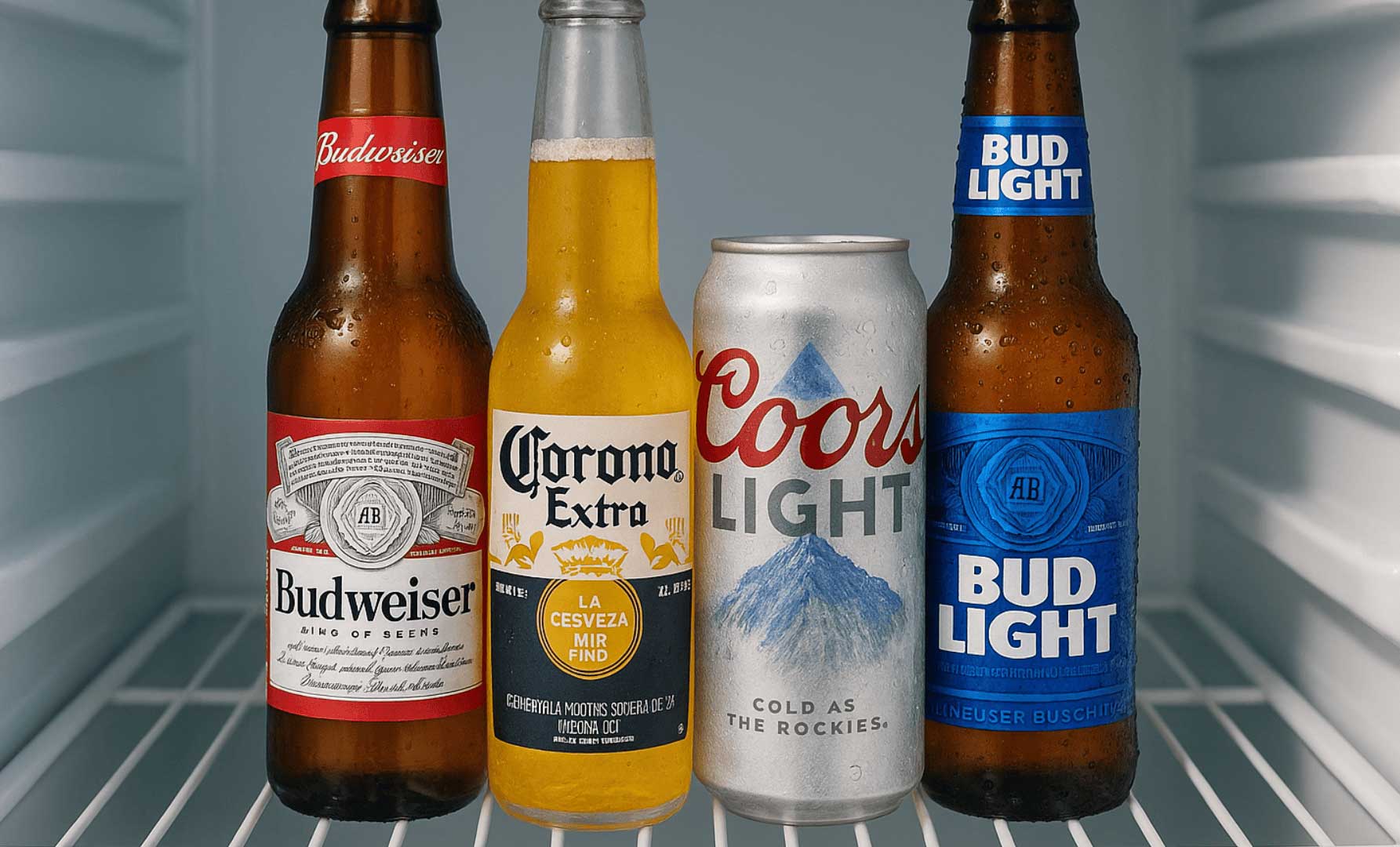
Pasteurized regular beers include Budweiser, Coors and Miller. They can stay fresh for 6 to 9 months in the fridge. The pasteurization process kills active yeast and harmful bacteria inside beer. This process prolongs beer shelf life effectively. Still, obvious flavor fading appears after six months of cold storage.
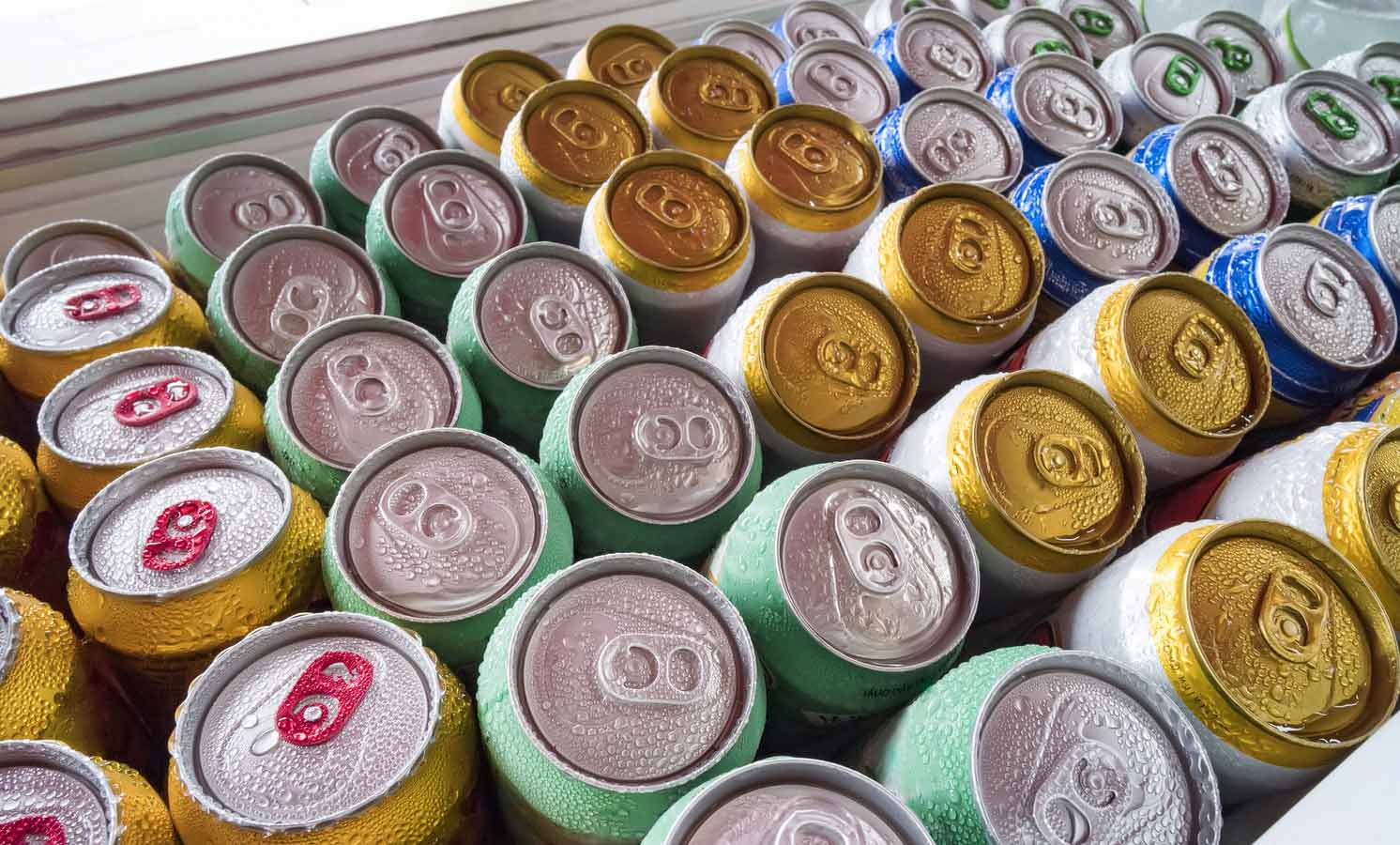
Canned beer has a longer shelf life than bottled beer. Metal cans can block all external light completely. Light will trigger chemical reactions inside beer and produce bad skunk flavor. For this reason, most brewers choose cans for long-term beer storage.
High-alcohol beers include barleywines and imperial stouts. They can be stored for 1 to 2 years or longer in fridges. High alcohol content works as a natural preservative inside beer. Some strong beers gain better taste with proper aging, just like wine products.
Most common beers have a fridge shelf life of 3 to 9 months. High-strength beer can keep fresh for a much longer time.
What Does Beer Taste Like?
To understand how beer changes over time, we need to know what does beer taste like. Different beer styles have totally different original tastes. Light lager beer has crisp and clean taste with slight bitter feeling and faint aroma. IPA beer has strong bitter taste, pine flavor and obvious citrus and grapefruit hints.
Stout beer has roasted coffee taste, chocolate flavor and smooth thick drinking texture. Belgian ale has sweet fruit taste and mild
|
|
|
spicy feeling with banana and clove flavors. Sour ale carries obvious sour and special yeast taste.
All original flavors change gradually when beer ages in fridges. Hop bitterness weakens and turns into plain grassy taste. Malt sweet taste becomes more obvious without hop balance. Oxidation brings stale paper and sherry flavors to old beer. Beer stored for months in fridges tastes plain, flat and far less fresh than newly opened beer.
|
Factors That Affect Beer Shelf Life
Four main factors influence beer shelf life inside fridges. Storage temperature ranks the most important factor. Stable low temperature slows down chemical reactions that damage beer flavor. The suitable fridge temperature for beer storage stays between 38°F and 45°F. Normal room temperature speeds up beer aging greatly.
External light causes skunking damage to beer. Ultraviolet rays break down internal hop ingredients and create terrible sulfur smell. Brown glass bottles block more light than green or clear glass bottles. Metal cans avoid all light damage and fit long-term beer storage best.
Oxygen shortens beer fresh time severely. Oxygen contact leads to oxidation and stale cardboard taste. Sealed beer cans and bottles reduce oxygen contact effectively. Professional filling machines in breweries cut oxygen exposure during packaging and extend beer shelf life greatly.
Alcohol content decides beer anti-aging ability. Beer with higher alcohol lasts longer than low-alcohol beer. Hoppy beer goes bad faster than malt beer because active hop ingredients decompose easily.
How to Tell If Beer Has Gone Bad
|
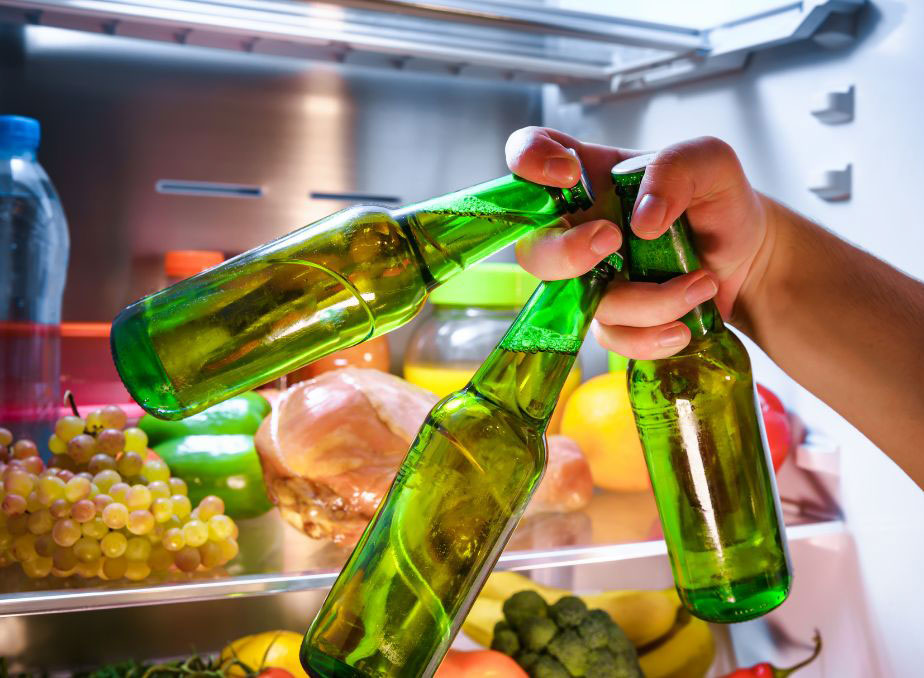
Readers still need to check beer status before drinking even with clear shelf life knowledge. You can judge bad beer from four obvious signs.
Check beer appearance first. Clear beer turns cloudy or has floating impurities after spoilage. Notice that some beer styles are naturally hazy, so you need to know your beer type clearly.
Check beer smell second. Bad beer has skunk, metal or sour vinegar smell. Qualified fresh beer has soft and comfortable natural aroma.
|
|
|
Check beer taste third. Sour, paper-like or flat taste means the beer has gone bad. You can trust your taste sense directly.
Check carbonation last. Total loss of bubbles means the beer seal is broken. Carbonation disappearance is a typical sign of long-time aging.
You should throw beer away once you find any above signs. Spoiled beer is not worth drinking at all.
Does Expired Beer Make You Sick?
Many people worry about health risks brought by expired beer. Expired beer will not make people sick. Beer’s low acid value, alcohol composition and sealed low-oxygen environment stop harmful bacteria from growing. Beer still keeps safe to drink even years after its best-by date. It only tastes bad.
Stop drinking beer right away if its can or bottle bulges, leaks liquid or gets heavy rust. These phenomena mean internal contamination or broken seal. In other normal cases, expired beer is safe but tasteless.
Commercial Production and Filling
|
|
|
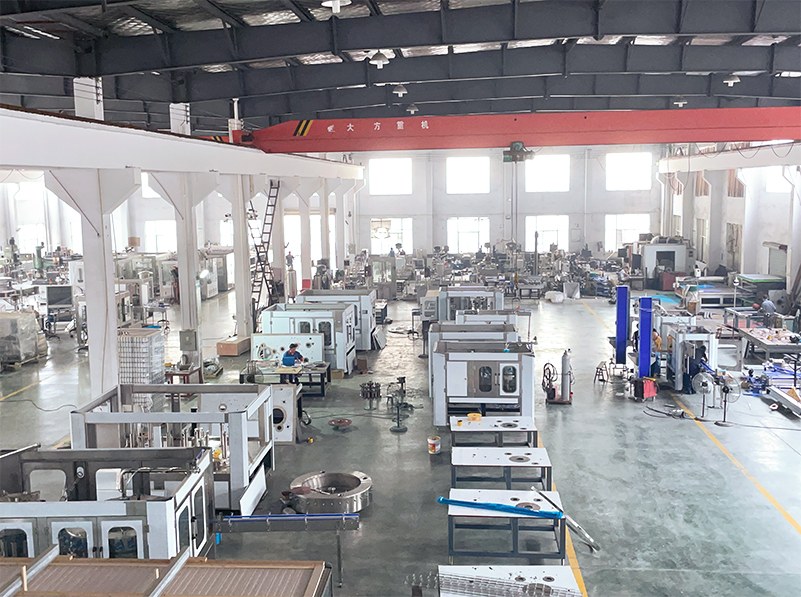
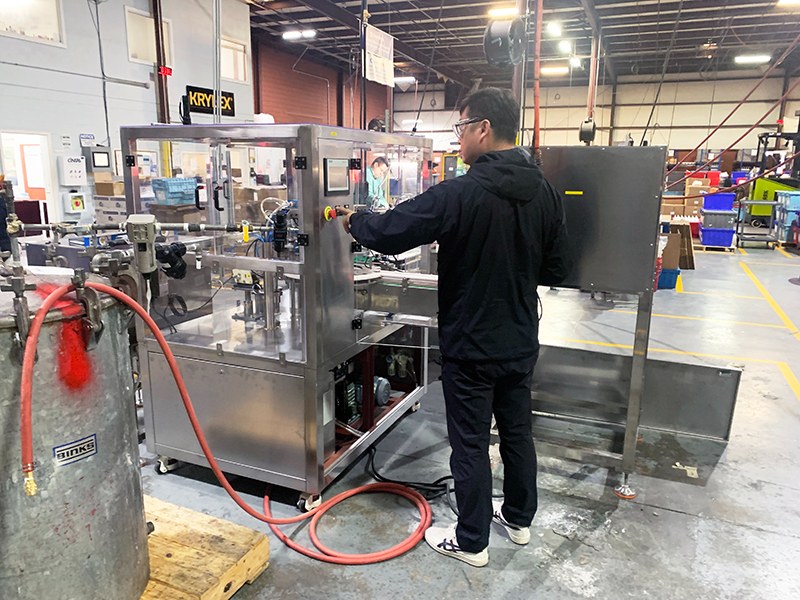
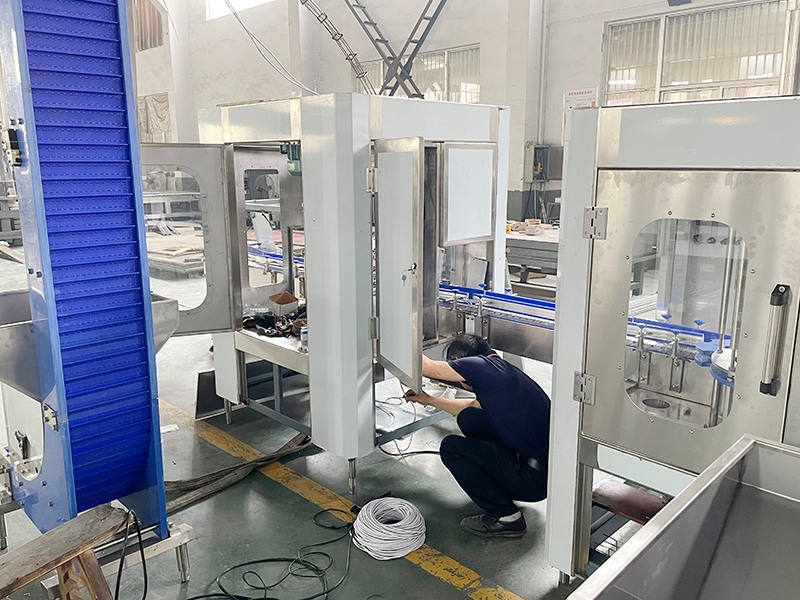
Beer shelf life and initial quality are determined during brewery production. High-speed beer filling machine fills beer into cans and bottles. These machines keep minimal oxygen contact during the whole filling process. Filling machines guarantee stable carbonation and tight package seals for all beer products.
Different beer styles need matched filling methods. Workers fill oxygen-sensitive beer such as IPA with carbon dioxide gas
|
first. The gas pushes out all remaining oxygen before package sealing. This method protects hop flavor well and keeps beer fresh longer.
The Bottom Line
We go back to the original question in the end. How long does beer last in the fridge? Most beer stays fresh for 3 to 9 months with standard refrigeration. Unpasteurized craft beer keeps good taste for 3 to 6 months. Pasteurized commercial beer can last up to 9 months. High-alcohol strong beer can be stored for 1 to 2 years.
You should store beer in cold dark places and drink it fresh to enjoy the best flavor. You can check production date, smell and taste for forgotten beer in your fridge. This simple check is the most accurate way to judge the real remaining shelf life of your refrigerated beer.