What Does Beer Taste Like? A Journey Through Flavor, Science, and Health
You ask ten people what does beer taste like, and you will get more than ten different answers. Some people feel fresh light bitter taste to ease summer heat. Some people sense rich caramel sweet taste with smooth mellow aftertaste. Others think beer tastes like sour fermented grain drink. Beer has richer flavor types than most common drinks in daily life. It covers light bubbly lager, thick roasted stout, fruity sour ale and pine-scented IPA. Its taste varies greatly among different types. You need to learn raw materials, brewing steps and health influences to fully know what does beer taste like.
The Building Blocks: What Is Beer Made Of?
|
|
|
People learn basic components first to know beer flavor sources. People often wonder what is beer made of. Beer only needs four core raw materials in simple production. They are drinking water, germinated grain mainly barley, hop and brewing yeast.
Water takes up 90 to 95 percent of beer total weight. Its internal mineral content directly changes beer final taste. Soft
|
water makes mild smooth beer such as Pilsner. Hard water with enough sulfate forms fresh bitter British ale.
Roasted malted barley provides fermentable sugar. It brings diverse tastes such as honey, biscuit, coffee and chocolate. Grain roasting time decides its actual flavor. Hop balances malt sweet taste with proper bitter feeling. It also adds citrus, pine, flower and herbal fragrance to beer.
Yeast breaks down sugar to produce alcohol and carbon dioxide gas. It also forms various flavor substances to create banana, clove, apple and spicy taste. Mastering what is beer made of is the basic way to figure out what does beer taste like.
From Grain to Glass: How to Make Beer
People know raw materials well, and they also need to learn how to make beer to finish complete production. People keep improving brewing skills for thousands of years, and core working steps stay easy to follow.
Workers crush malted barley first. They mix crushed grain with hot water in the mashing process. This step turns grain starch into usable sugar to make sweet raw beer liquid called wort. Workers filter out pure wort and boil it for 60 to 90 minutes.
Workers add hop at different time points in boiling process. Early added hop brings bitter taste. Late added hop leaves strong natural fragrance. Workers cool boiled wort fully and send it into fermentation tank, then put yeast into liquid.
|
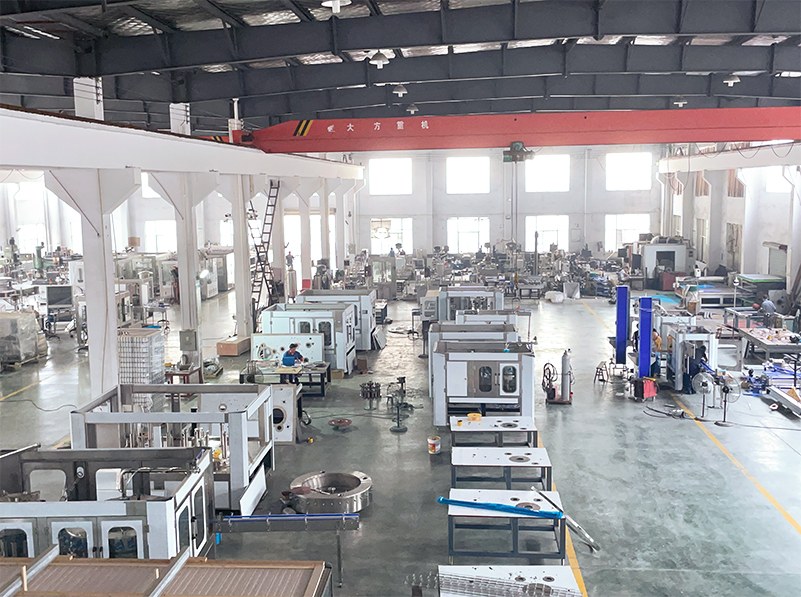
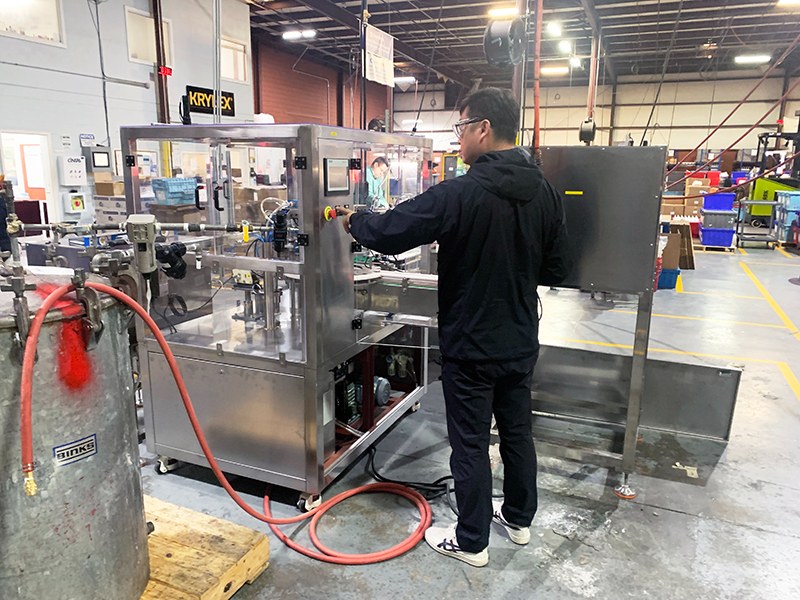
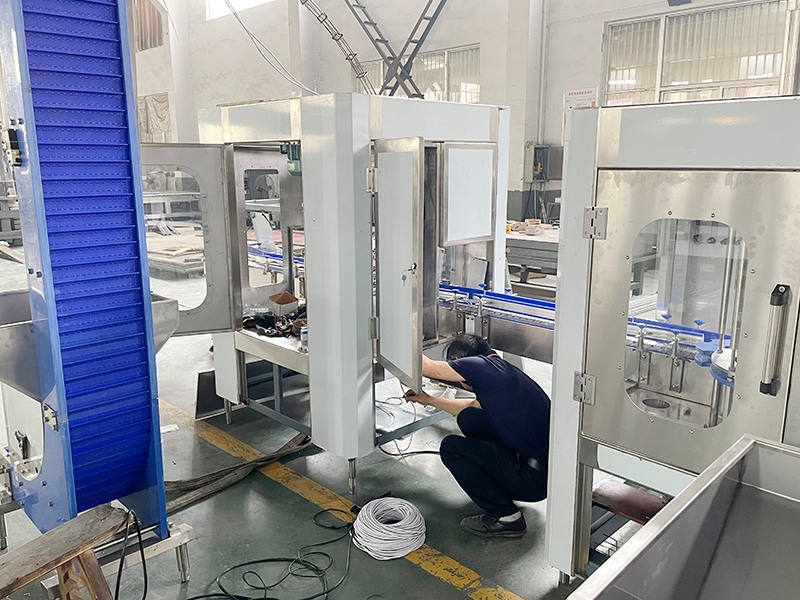
Yeast works for one to two weeks. It keeps changing sugar into alcohol and carbon dioxide. New raw beer needs long-term storage for flavor adjustment. Workers filter finished beer and fill gas into it. Large breweries use beer filling machine to pack beer into bottles and cans fast. This equipment keeps stable gas content and avoids air entering finished products.
People learn how to make beer and easily understand flavor differences. Every small change in brewing work will create totally different beer taste.
|
|
|
The Flavor Wheel: Describing Beer Taste
People finish all brewing work, and they can judge actual taste to answer what does beer taste like. Professional tasters use many standard words to record beer flavors. These tastes can be divided into several main types.
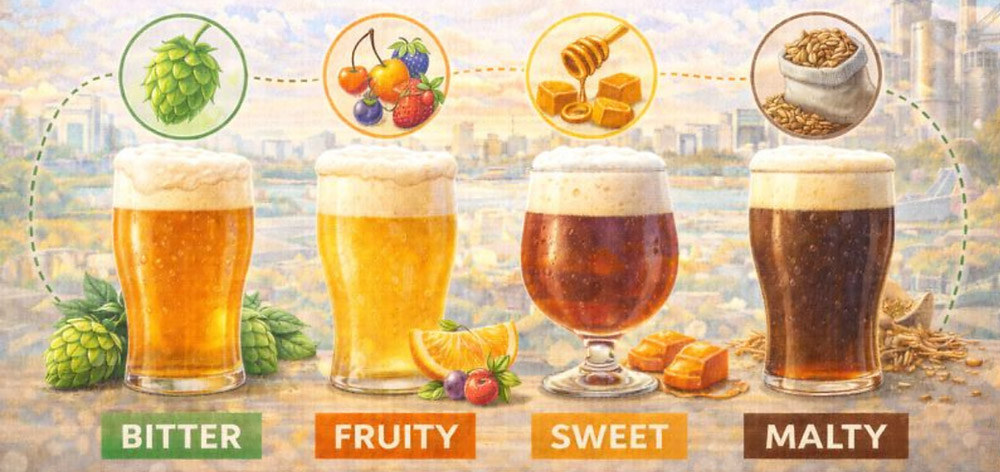
Hop brings bitter taste with different strength from weak to strong. Remaining sugar creates sweet taste similar to caramel, syrup, honey and fresh fruit. Malted grain offers bread, cookie and roasted coffee flavor.
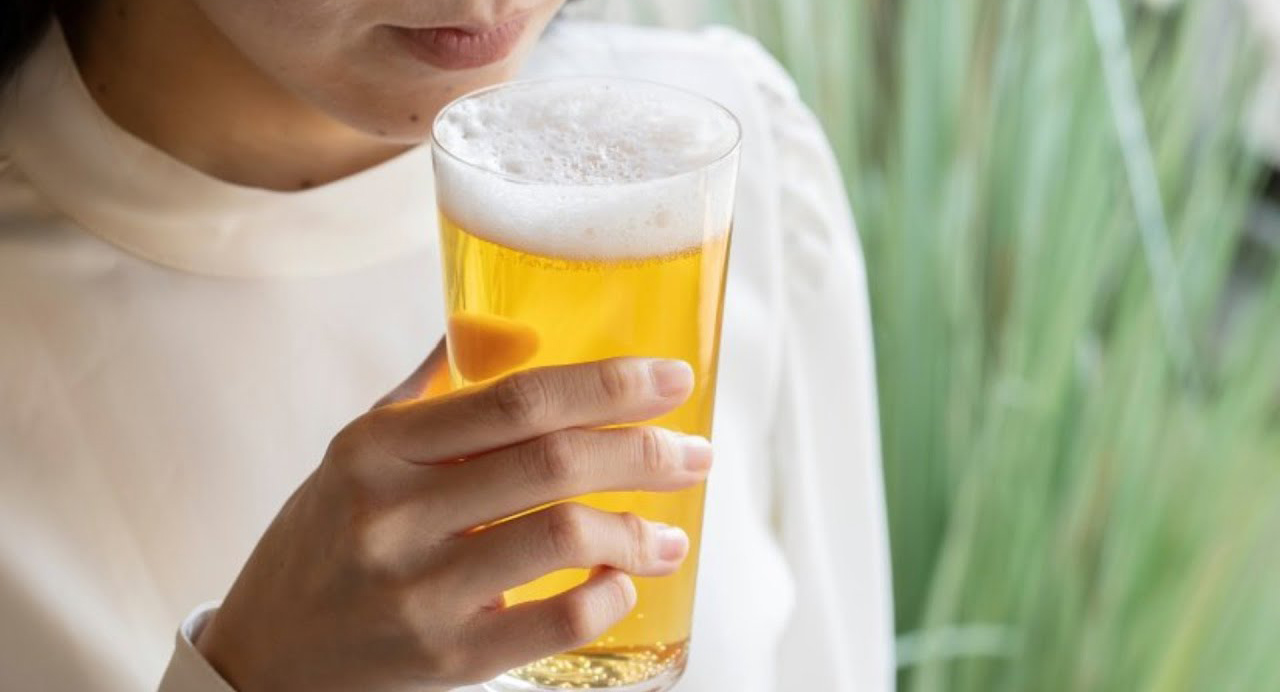
Yeast forms fruity and spicy unique tastes. Drinking temperature also affects people’s taste feeling. Cold light pale lager tastes pure
|
|
|
fresh with slight bitter and faint smell. Warm thick stout feels soft and thick with obvious coffee and dark chocolate flavor.
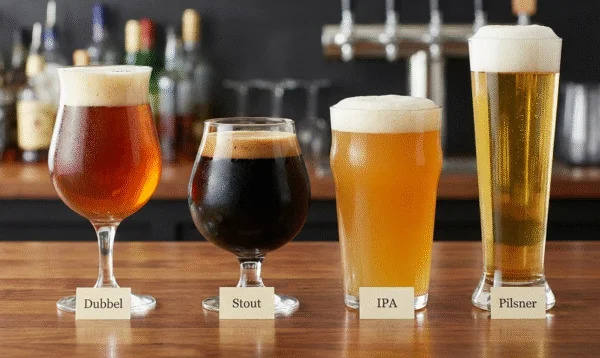
Belgian triple beer has strong fruit and spicy taste. Sour ale carries fresh sour feeling close to lemon and green apple. People get clear conclusion for what does beer taste like. Beer taste changes greatly based on its specific style.
|
Alcohol Content: How Much Alcohol Is in Beer?
Beer taste has close link with alcohol content. Pure alcohol has light sweet taste, warm feeling and thick mouth feel. People usually ask how much alcohol is in beer, and beer alcohol range is quite wide.
Common market beer such as daily lager and pale ale has 4 to 6 percent alcohol volume. Light type beer keeps alcohol content at 3 to 4 percent. IPA beer alcohol ratio reaches 6 to 7.5 percent. Strong type beer can reach 10 to 15 percent alcohol volume.
Alcohol content changes beer taste in many ways. High alcohol beer has stronger sweet feeling and thicker texture, so it tastes rich and warm. Low alcohol beer tastes light and easy to drink.
Alcohol strengthens bitter feeling of hop. It helps people smell beer fragrance more clearly. People talk about what does beer taste like, and how much alcohol is in beer is one key influencing factor.
The Health Question: Is Beer Good for You?
|
People hold different views on beer health value, and they often discuss is beer good for you. This question has no single fixed answer. Adult women drink one 12-ounce beer every day and adult men drink two at most. Proper intake brings certain positive effects.
Barley and hop carry natural antioxidant substances such as polyphenol and flavonoid. Moderate beer drinking helps protect blood vessel health and raise good cholesterol level.
|
|
|
Beer also supplies small amount of vitamin B, magnesium and silicon needed by human body.
People must notice hidden risks behind these benefits. Long-term excessive drinking raises the chance of liver disease, certain cancers, pancreatic disease and heart problems. Beer also brings many extra calories. One standard 5-degree beer has around 150 calories.
The answer of is beer good for you varies from person to person. Healthy people without drinking addiction can take proper beer with no bad influence. People with liver problems and drinking addiction must stay away from beer completely.
Non-Alcoholic Beer: A Safer Alternative?
Many people worry about alcohol harm and choose non-alcoholic beer. They start to think about is non alcoholic beer bad for you.
Workers make common beer first. They remove internal alcohol through professional technology to get non-alcoholic beer. Most regions set clear rule that non-alcoholic beer alcohol content must stay below 0.5 percent.
People get clear answer for is non alcoholic beer bad for you. This drink is much safer than ordinary beer. It keeps all useful nutrition elements without alcohol harm and drunk feeling.
Related research proves non-alcoholic beer eases body inflammation, improves sleep state and relieves physical fatigue after exercise. It still has some weak points. This drink is not zero-calorie drink, and one bottle contains 60 to 100 calories.
|
|
|
People who give up drinking may feel drinking desire after tasting trace alcohol inside. Large breweries also use beer filling machine to pack non-alcoholic beer. Workers need to control air contact strictly. No alcohol inside makes this kind of beer go bad faster easily.
Most people get definite view on is non alcoholic beer bad for you. It is a healthier daily drink choice, and people should avoid drinking too much at one time.
|
Putting It All Together
People look back at the core question again to sort out full viewpoints about what does beer taste like. People learn raw material composition, brewing flow, alcohol proportion and health influence to get complete judgment.
Beer flavor forms under joint effect of water quality, grain roasting degree, hop type, yeast category, brewing temperature and alcohol content. It can be sweet or bitter, light or thick, fruity or spicy with different taste styles.
People master how to make beer and tell taste differences between lager and stout easily. People know what is beer made of and quickly judge flavor sources. People face health problems and get reasonable attitude for is beer good for you.
Mass produced beer relies on fast working beer filling machine to finish market supply. Every sip of beer carries planting knowledge, chemical principle and manual making effort.
You do not need simple short answers when others ask you what does beer taste like. You can share different types of beer with them. People taste different products by themselves and know real beer flavor well.