Italy 6000BPH Juice Can Filling Line Project Case | Mic Machinery
Italy 6000BPH 12-4 Juice Can Filling Line Project Case | Mic Machinery
Mic Machinery delivered a 6000BPH 12-4 normal-pressure juice can filling line to an Italian beverage producer in September 2025. The project was developed for non-carbonated juice packed in aluminum cans and focused on stable production, automated can handling, filling and seaming, labeling, coding, secondary packaging, and palletizing.
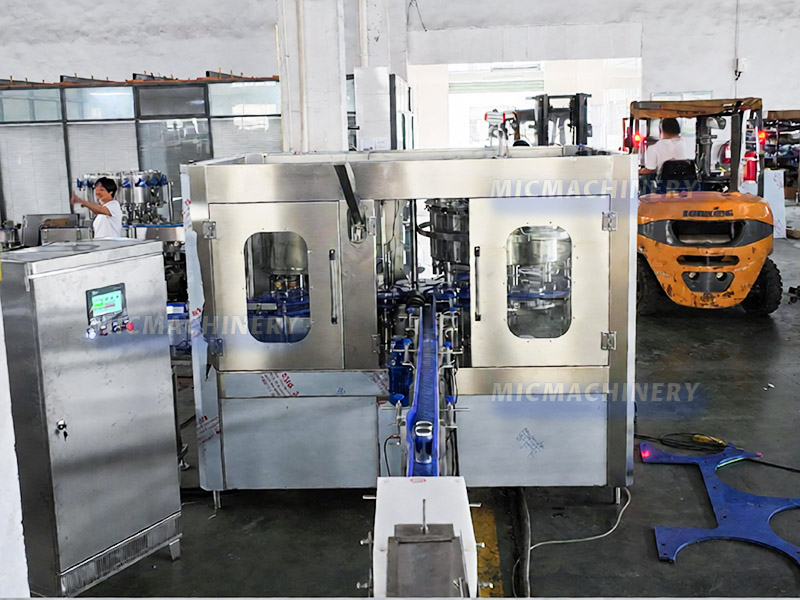
The core equipment is a 12-4 Juice Can Filling Machine, supported by a Can Depalletizer and shrink sleeve labeling system. Based on the customer's production requirements, Mic Machinery also provided a complete-line configuration covering water treatment, pasteurization, filling, post-filling treatment, drying, labeling, coding, packing, palletizing, and finished-product handling.
The customer was located in Italy, with the equipment delivered in September 2025. The project was designed for a production capacity of approximately 6000BPH, with the finished product being non-carbonated juice packaged in aluminum cans.
The core filling equipment was a 12-4 Juice Can Filling Machine, with the line also including a Can Depalletizer and Shrink Sleeve Labeling Machine.
The basic project facts are:
Customer Country: Italy
Delivery Time: September 2025
Production Capacity: 6000BPH
Beverage: Juice
Packaging: Aluminum cans
Filling Technology: Normal-pressure filling
Core Equipment: 12-4 Juice Can Filling Machine
Main Supporting Equipment: Can Depalletizer and Shrink Sleeve Labeling Machine
Project Type: Automatic juice can filling and packaging line
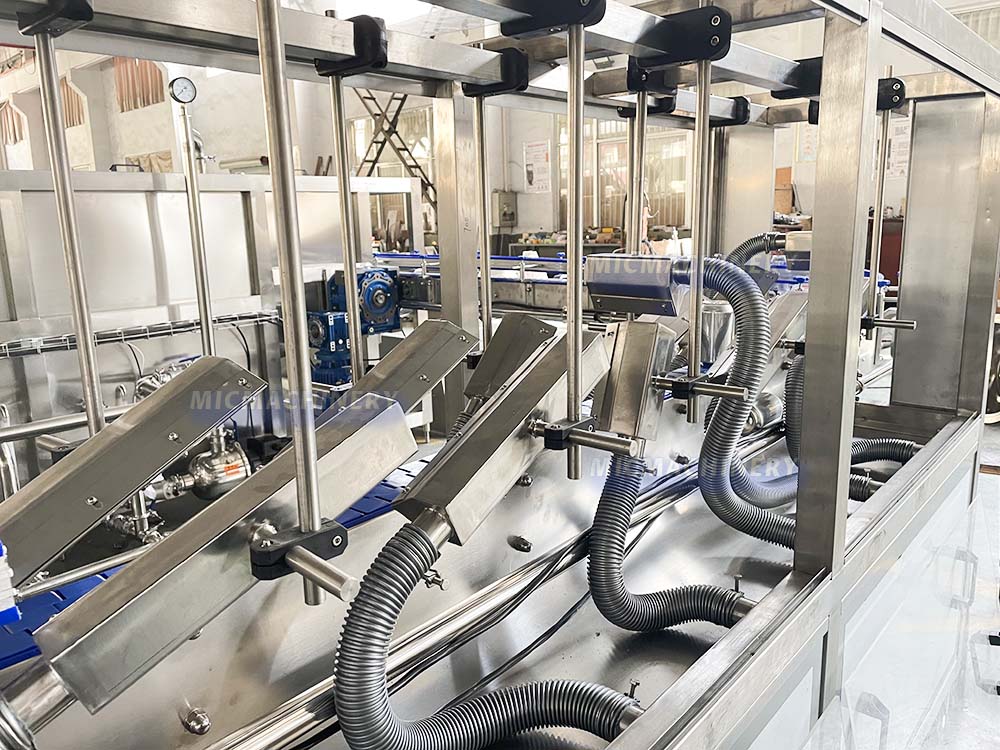
The 12-4 configuration was selected to match the customer's 6000BPH production target while maintaining a continuous flow of cans through filling and downstream packaging.
For buyers researching this type of equipment, the Juice Can Filling Machine product range can be referenced when comparing different filling capacities and machine configurations.
Customer Demand & Pain Points
The Italian customer was planning a relatively high-output canned juice production project and needed a filling solution capable of reaching approximately 6000BPH without relying heavily on manual operation.
The first requirement was production capacity. At 6000BPH, the line needs stable can feeding, consistent filling, reliable seaming, and coordinated downstream conveying. A filler operating at the required nominal speed is not sufficient if the upstream or downstream equipment becomes a bottleneck.
The second requirement was compatibility with non-carbonated juice. Juice does not require the same counter-pressure filling technology used for carbonated beer or sparkling beverages. The customer therefore required a normal-pressure filling solution specifically suited to non-carbonated products.
The third concern was labor reduction. Manual loading of empty cans and manual transfer between filling, labeling, and packaging stages can increase labor costs and introduce production interruptions. Automatic can handling and integrated conveying were therefore important parts of the project.
The customer also wanted a professional retail-ready packaging process. Since the juice would be sold in cans, the labeling system needed to provide consistent positioning and a suitable visual finish. Shrink sleeve labeling was selected as part of the downstream packaging solution.
Finally, the customer required a production system that could be integrated into the factory rather than purchasing an isolated filling machine. Equipment layout, conveyor connection, utilities, maintenance access, and future production requirements all needed to be considered during project planning.
Our Custom Solution
Based on the customer's product, aluminum-can packaging, 6000BPH target, and automation requirements, Mic Machinery designed a complete production concept around the 12-4 normal-pressure Juice Can Filling Machine.
The recommended production configuration includes:
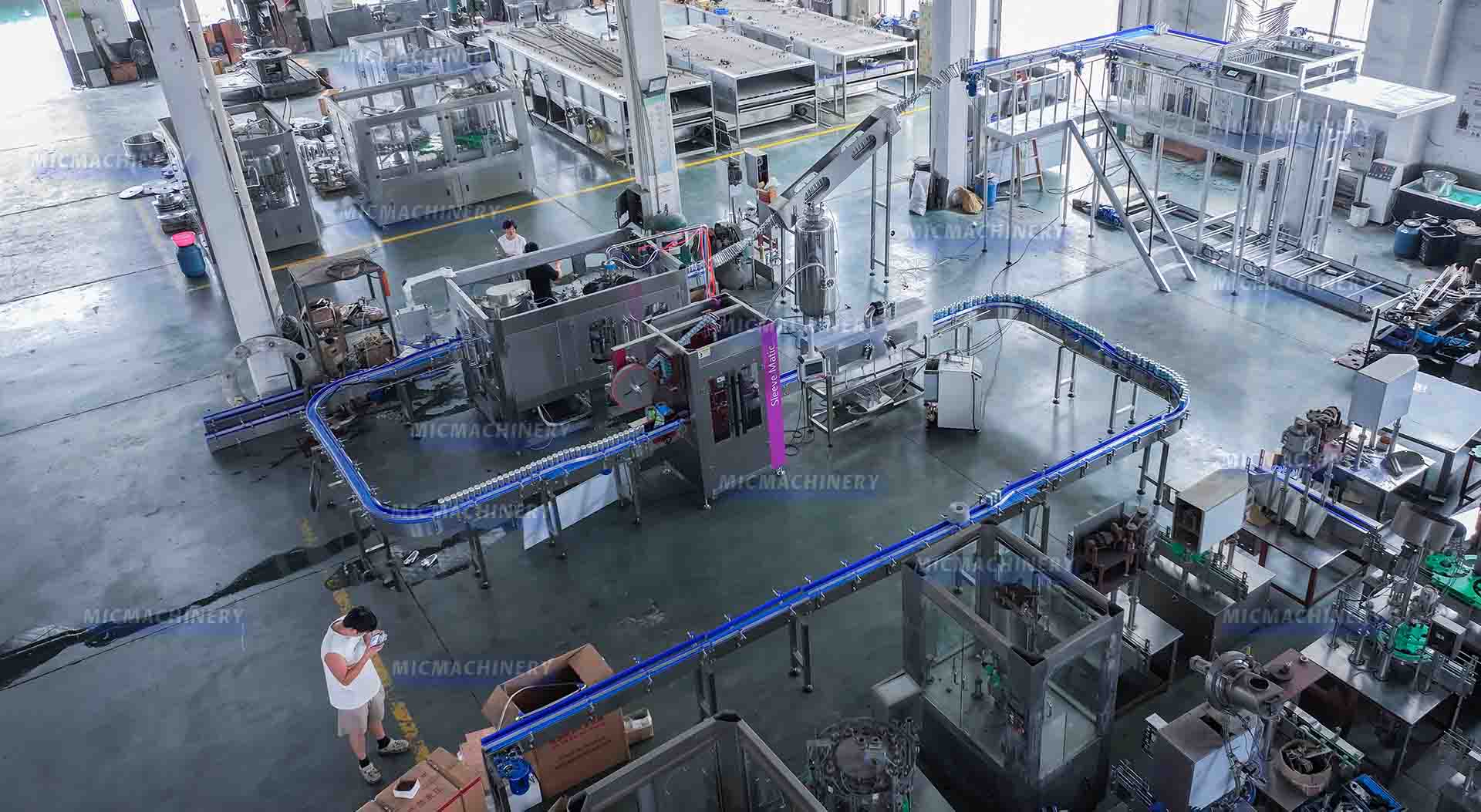
Water Treatment Equipment → Pasteurization Machine → Can Depalletizer → 12-4 Juice Can Filling Machine → Warm Irrigation Machine → Air Knife Dryer → Labeling Machine → Shrink Sleeve Labeling Machine → Laser Batch Coding Machine → Wrap Packing / Carton Packing Machine → Palletizer → Pallet Wrapping Machine
The exact process sequence can be adjusted according to the customer's juice formulation, pasteurization method, filling temperature, can specifications, packaging requirements, and factory layout.
Water treatment is the starting point for a stable beverage production process. The treatment system can be selected according to the customer's raw-water quality, production capacity, and process-water requirements.
For a complete juice project, water treatment should be considered together with beverage preparation, cleaning requirements, and the customer's local water conditions rather than selected independently.
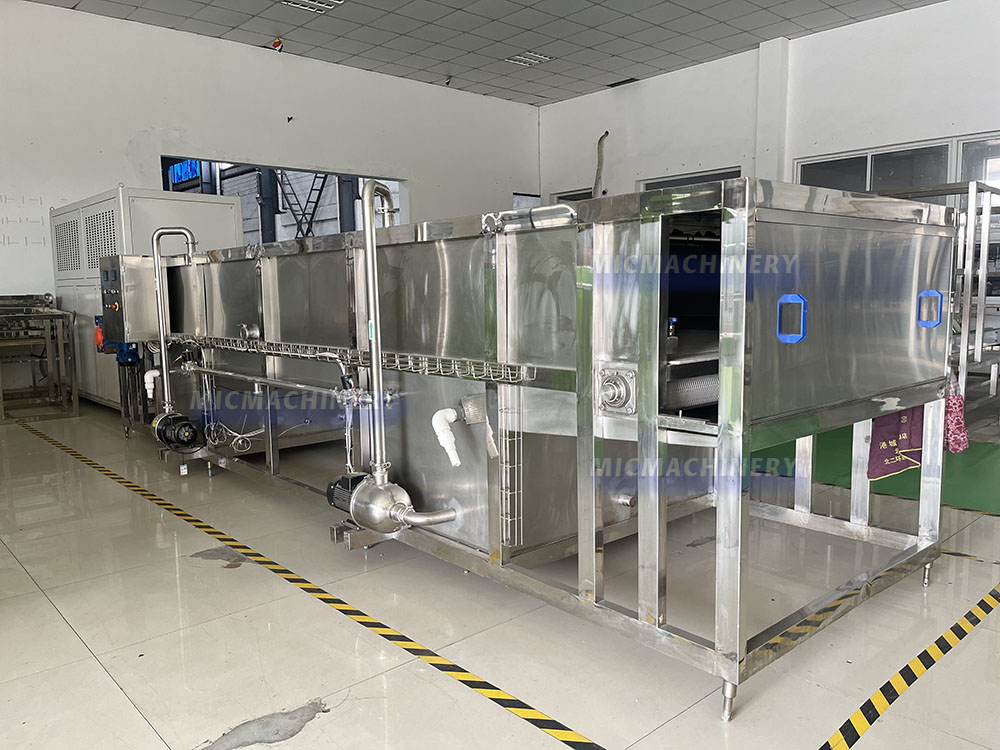
Pasteurization Machine
Juice products may require controlled thermal processing to meet the product's microbiological and shelf-life requirements.
The Pasteurization Machine can be incorporated into the line according to the customer's validated processing method.
The actual heating temperature, holding time, cooling conditions, and position within the production process should be determined according to the juice formulation and packaging process.
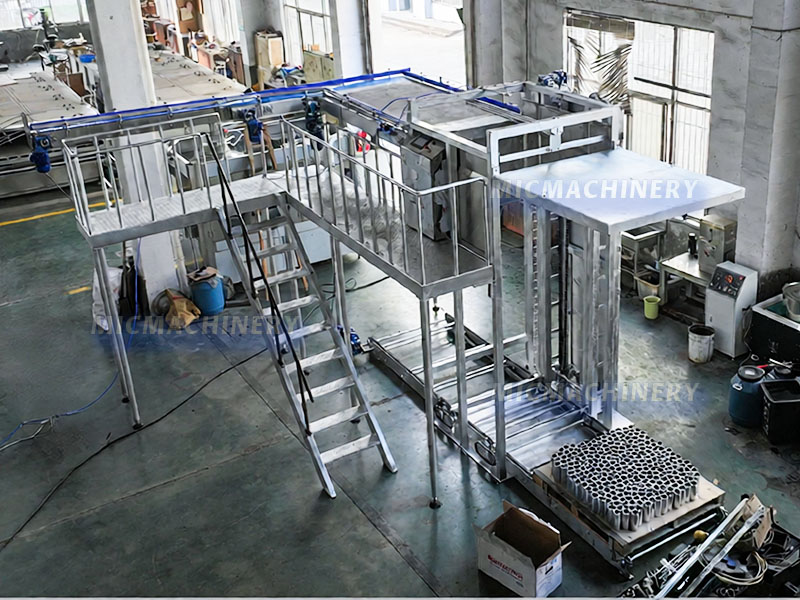
Can Depalletizer
At a production rate of 6000 cans per hour, manual empty-can loading can become a significant labor point.
The Can Depalletizer automatically unloads cans from pallets and transfers them toward the filling section. This helps create a continuous supply of empty cans while reducing repetitive manual handling.
The machine is configured for non-carbonated beverage filling and is suitable for juice canning applications. Its normal-pressure filling principle is different from the isobaric filling process commonly used for carbonated beer and carbonated soft drinks.
At the target output of approximately 6000BPH, the filling system must work together with can feeding, seaming, conveying, and downstream packaging equipment to maintain overall line efficiency.
For buyers evaluating a Beverage canning machine, it is therefore important to examine not only the number of filling heads but also the complete production flow, container specifications, product characteristics, and downstream equipment capacity.
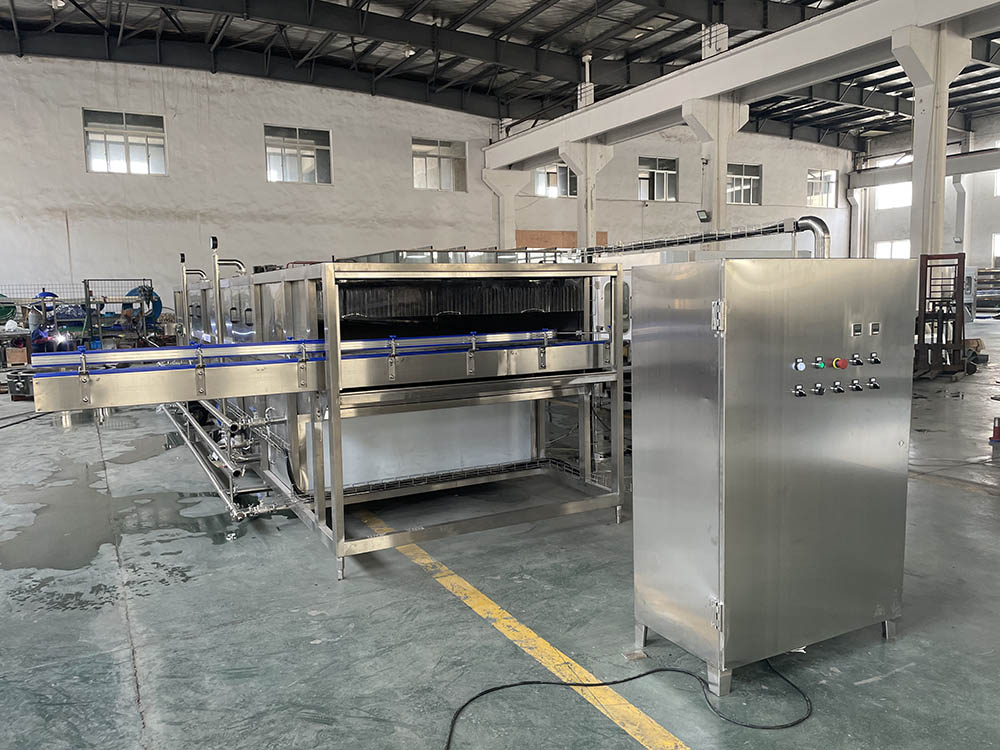
A Warm Irrigation Machine can be incorporated after filling and seaming when required by the customer's process.
Warm-water treatment can help manage temperature differences between the filled product and the external can surface before subsequent drying and labeling.
The exact water temperature and treatment duration should be determined according to the customer's product and thermal-processing requirements.
Air Knife Dryer
After water-based treatment or rinsing, moisture may remain on the outside of the cans.
The Air Knife Dryerremoves surface water before coding and labeling. This helps provide a more suitable can surface for downstream printing and sleeve application.
Labeling and Shrink Sleeve Labeling
Labeling is an important part of the finished-product presentation.
TheLabeling Machine can be integrated according to the customer's packaging design and label format.
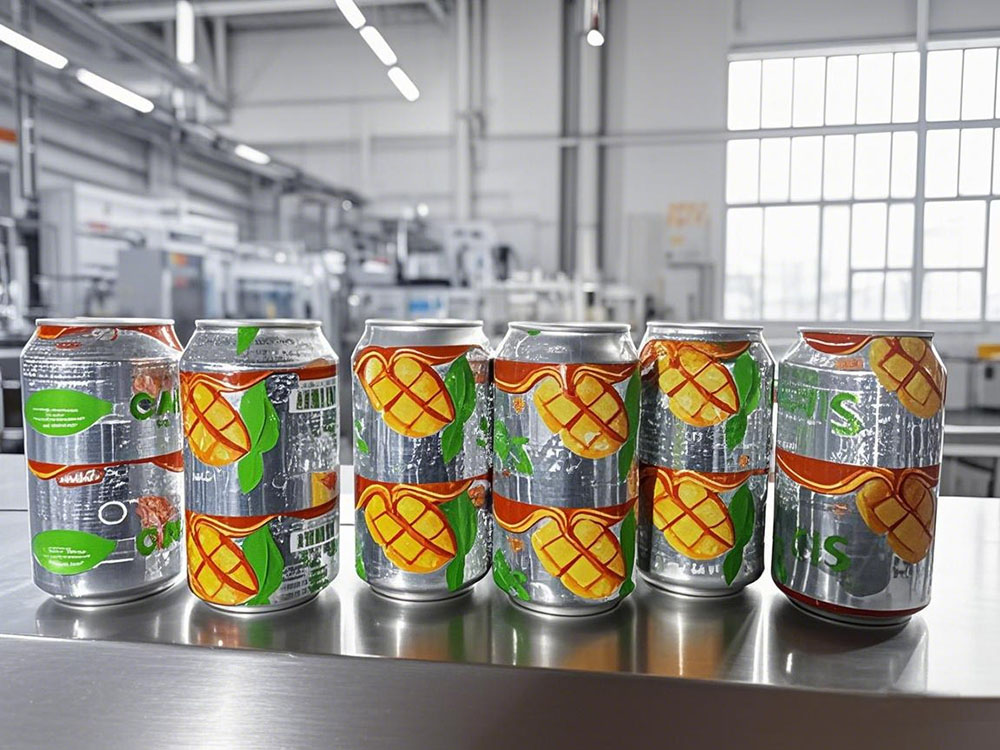
For this Italian juice project, the Shrink Sleeve Labeling Machine provides a full-body labeling option for canned juice products. The sleeve can cover a large portion of the can surface and provide a consistent retail appearance.
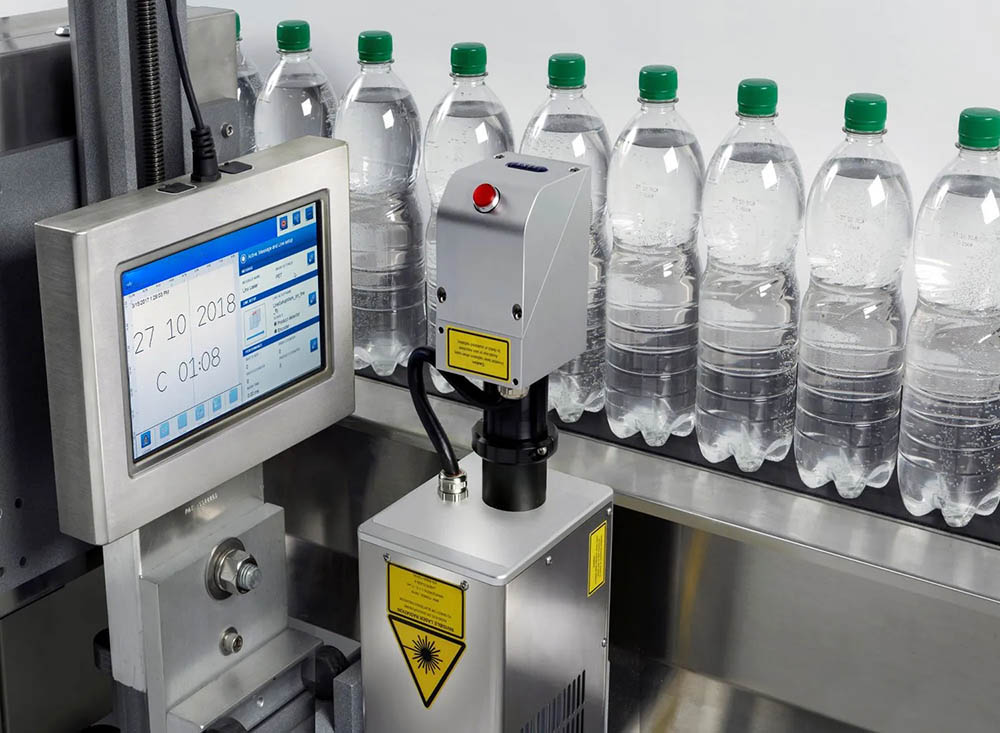
A laser batch coding system can be integrated into the downstream conveyor section to add batch numbers, production information, or other required traceability codes.
For a commercial beverage production line, coding should be positioned where the can surface is clean, dry, and suitable for reliable marking.
Wrap Packing and Carton Packing
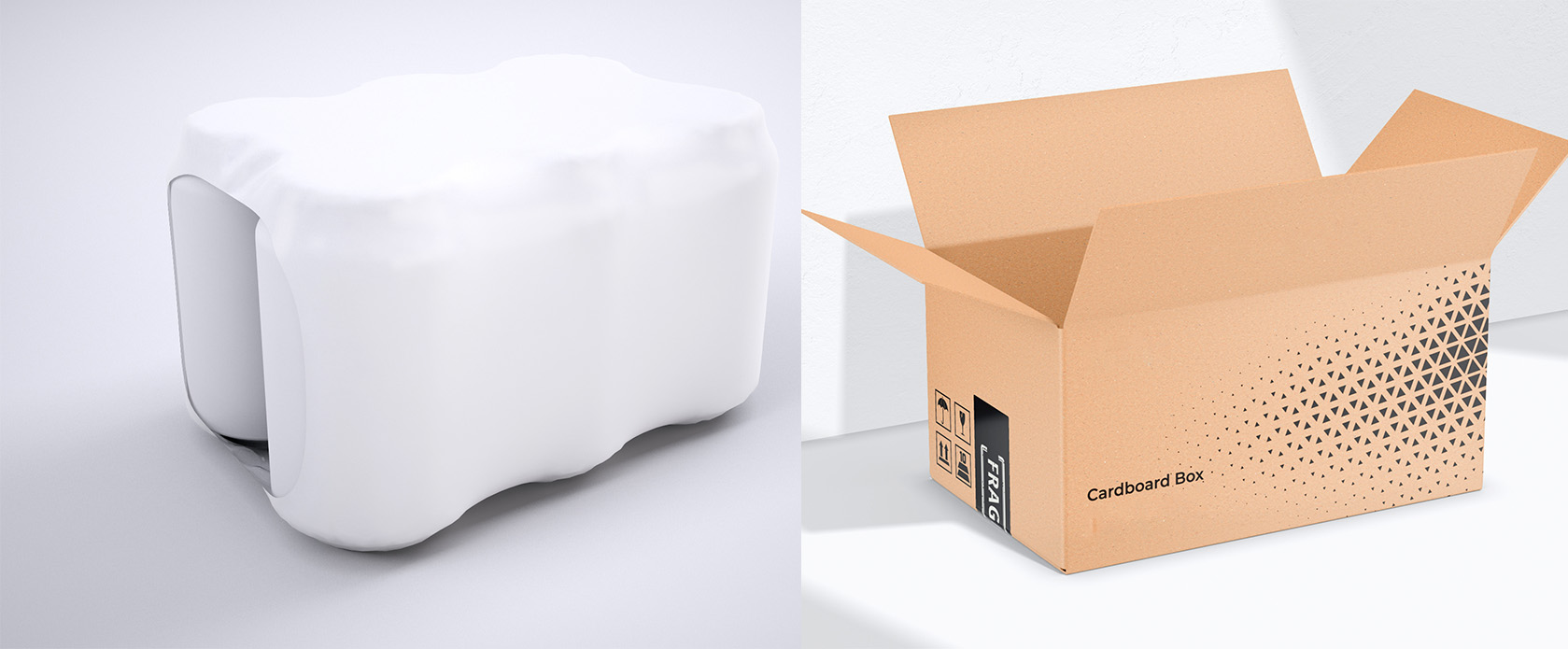
After labeling and coding, finished cans can be grouped into secondary packages using a wrap packing or carton packing system.
The Wrap Packing / Carton Packing Machine can be selected according to the customer's required pack format, number of cans per package, carton dimensions, and distribution method.
Palletizer and Pallet Wrapping Machine
For a higher degree of automation, packed products can be transferred to the palletizing section.
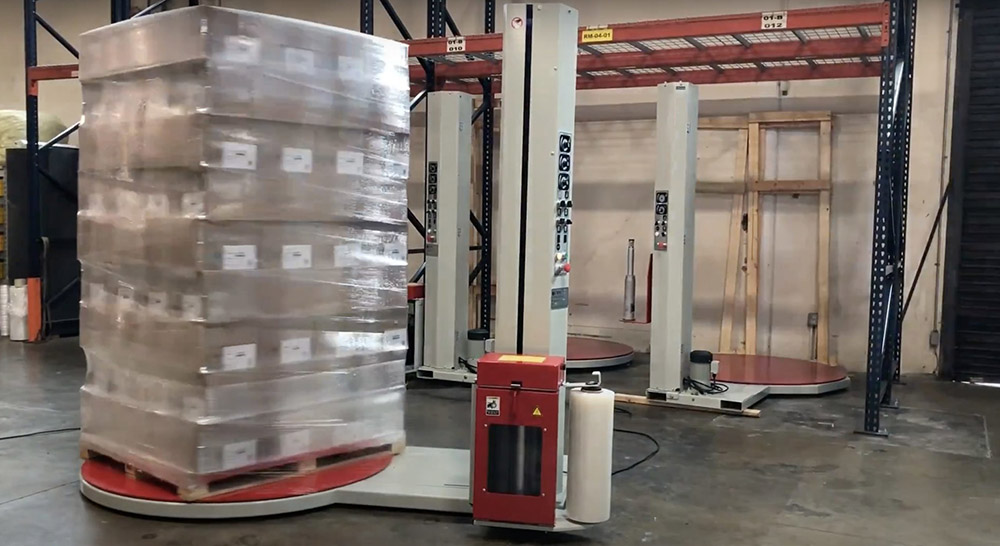
The Palletizer automatically arranges finished packages on pallets, while the Pallet Wrapping Machine stabilizes the completed pallet for storage and transportation.
This final section reduces manual handling after secondary packaging and provides a continuous production route from filling to finished-product warehousing.
On-site Installation & Production Effect
Real Italy Project Video: This video provides visual evidence of Mic Machinery's beverage canning equipment in operation, helping buyers evaluate the machine structure, can handling process, filling operation, conveyor integration, and overall production-line configuration before making a purchasing decision.
Why a 12-4 Configuration Was Selected
For this Italian project, the 12-4 configuration provides the required production scale while keeping the core filling system focused on non-carbonated canned beverages.
The selection was based on several factors.
First, the target production capacity was approximately 6000BPH. Second, the product was non-carbonated juice, making normal-pressure filling an appropriate process direction. Third, the packaging format was aluminum cans, requiring stable can positioning and reliable filling and seaming. Finally, the customer required integration with automated can handling and downstream packaging.
For buyers comparing a juice canning filling machine, the appropriate model should therefore be determined by the combination of beverage type, can dimensions, filling volume, required output, filling temperature, and desired automation level.
A machine that has a higher advertised speed is not necessarily the better choice if its configuration does not match the actual production process.
Customer Feedback
“We selected the 12-4 juice can filling solution according to our required production capacity and canned juice application. The equipment configuration was practical for our production plan, and we appreciated the technical communication and support throughout the project. The solution gives us a more automated process from can handling to finished-product packaging.”
Similar Project Cases
Mic Machinery's international project cases cover different beverage categories, production capacities, packaging formats, and filling technologies. These cases can be connected to form a broader project-case cluster.
China 24000BPH Complete Water Bottling Line
This high-capacity China project covers water treatment, PET bottle production, water filling, labeling, wrapping, and palletizing. It provides a reference for buyers researching large-scale automated beverage production.
The Germany project provides a useful comparison at a similar 6000CPH production scale, but for beer and aluminum cans. It demonstrates the differences between carbonated beer applications and the normal-pressure juice filling process used in this Italian project.
This Australian beverage project provides a reference for a smaller 2000CPH-class production line and allows buyers to compare capacity requirements across different beverage projects.
The Russia project is particularly useful for technical comparison because it uses isobaric filling for beer cans. It can help buyers understand why carbonated beer requires a different filling principle from non-carbonated juice.
Together, these cases create a project cluster covering juice, water, beer, PET bottles, aluminum cans, 2000BPH-class lines, 6000CPH-class lines, and high-capacity bottling systems.
B2B Buyer Takeaway
The Italy 6000BPH project demonstrates that selecting a beverage filling line requires more than comparing machine prices or nominal filling speeds.
For a non-carbonated juice product in aluminum cans, buyers should evaluate the complete process from water treatment and juice preparation through filling, seaming, thermal treatment, drying, labeling, coding, packing, palletizing, and final storage.
The 12-4 Juice Can Filling Machine was selected around the customer's 6000BPH target and non-carbonated juice application. The supporting equipment was then planned around the core filling process to create a coordinated production line.
When comparing a Beverage canning machine, drink canning filling machine, or juice canning filling machine, buyers should pay particular attention to:
Actual production capacity rather than theoretical maximum speed
Juice formulation and viscosity
Can diameter, height, and filling volume
Normal-pressure versus isobaric filling requirements
Filling and seaming stability
Pasteurization requirements
Can surface drying before labeling
Labeling and coding requirements
Secondary packaging format
Factory layout and material flow
Equipment integration and automation
Installation, commissioning, operator training, and after-sales support
This project-based evaluation provides a more reliable basis for comparing beverage canning equipment suppliers.
Get a 6000BPH Juice Can Filling Line Quote
Planning a similar 6000BPH juice canning filling machine project in Italy or another market?
Mic Machinery can recommend the suitable filling configuration according to your juice formulation, can dimensions, filling volume, production capacity, factory layout, packaging requirements, and automation level.