Isobaric Beer Can Filling Machine: Selection, Process and Maintenance Guide
An isobaric beer can filling machine is designed for carbonated beer applications where controlled pressure is important during filling. Compared with ordinary liquid filling equipment, an isobaric system maintains a controlled pressure relationship between the beer tank and the can, helping reduce excessive foaming and protect carbonation during filling. For breweries planning a new canning operation or upgrading an existing production line, selecting the right filling capacity, can specification, automation level, and downstream equipment is essential for stable production.
This guide explains how an isobaric can filling system works, what buyers should consider before purchasing, how different configurations compare, and how regular maintenance affects long-term production performance.
What Is an Isobaric Beer Can Filling Machine?
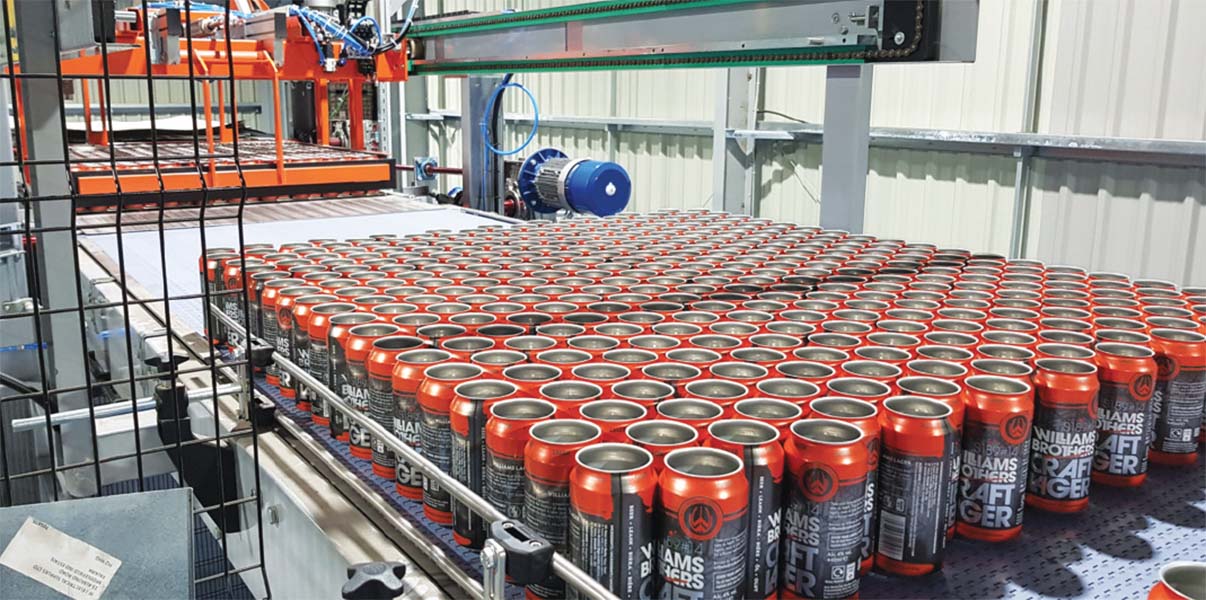
An isobaric filling machine is primarily used for carbonated beverages such as beer, sparkling drinks, and certain carbonated soft drinks. The basic principle is to establish controlled pressure conditions before the liquid enters the container.
Beer contains dissolved CO₂, so uncontrolled pressure differences during filling can cause rapid gas release and excessive foaming. An isobaric filling process is intended to minimize this pressure difference, allowing beer to enter the can under more stable conditions.
For breweries, the objective is not simply to fill cans quickly. The filling system must also consider:
Beer carbonation level
Filling temperature
Can dimensions
Target production capacity
Filling accuracy
Foaming control
Product loss
Cleaning requirements
Automation level
Future production expansion
This is why isobaric beer can filling machine selection should be based on the complete production requirement rather than rated speed alone.
How Does an Isobaric Can Filling Machine Work?
Understanding the beer can filling process helps buyers evaluate whether a machine configuration is suitable for their brewery.
1. Can Feeding
Empty aluminum cans are transferred toward the filling area. Depending on the production scale, can feeding may be performed manually or through automatic can handling equipment such as a depalletizer.
For larger production lines, automatic can feeding can reduce repetitive manual operations and maintain a more consistent supply of containers to the filling machine.
2. Pressure Equalization
Before filling begins, the can is brought into a controlled pressure condition. The purpose is to reduce the pressure difference between the beer and the container.
This stage is particularly important for carbonated products because sudden pressure changes can encourage CO₂ release and increase foaming.
3. Beer Filling
Once the pressure conditions are established, beer flows into the can through the filling system.
The filling speed and product characteristics must be balanced. Increasing mechanical speed does not automatically mean better production performance if excessive foaming, unstable liquid levels, or product loss occur.
4. Can Sealing
After filling, the can proceeds to the sealing or can-closing stage. Proper synchronization between filling and sealing is important because the filled container must move through the downstream process without unnecessary delays.
5. Downstream Processing
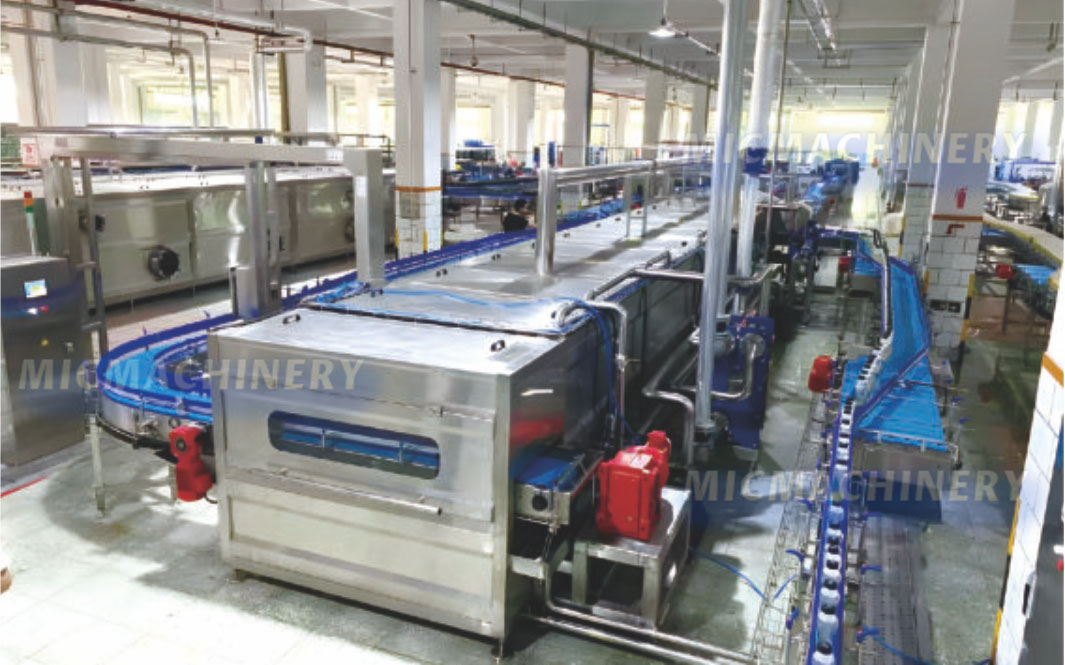
Depending on the brewery's process requirements, filled cans may continue through warm-water treatment, drying, labeling, coding, secondary packaging, palletizing, and pallet wrapping.
A complete line can therefore be designed around the filling machine rather than treating the filler as an isolated machine.
How to Choose an Isobaric Beer Can Filling Machine?
When buyers search for how to choose a beer can filling machine, production capacity is usually the first consideration. However, several other technical and commercial factors should be evaluated before confirming the equipment.
Match the Machine Capacity to Actual Demand
A machine that is significantly larger than the brewery's expected output can increase initial investment and create unnecessary production capacity.
For example, a new small brewery may prefer a 1000–2000CPH solution, while a commercial brewery with established demand may require a higher-speed automatic canning line.
The correct approach is to consider current demand, expected sales growth, available working hours, and future expansion plans together.
Check Can Specifications
Can diameter, height, material, and format directly affect machine configuration. If a brewery plans to use multiple can sizes, the filling machine should be evaluated for changeover requirements and compatibility.
Providing the supplier with accurate can dimensions before quotation helps reduce later engineering changes.
Consider Beer Characteristics
Beer formulation and carbonation level influence filling behavior. The supplier should understand the beer type, carbonation requirements, filling temperature, and expected production conditions before recommending the equipment.
Evaluate Automation Level
A small brewery may only need an automatic filler as its core production unit. A growing facility may benefit from integrating automatic can feeding, labeling, coding, packing, and palletizing.
The appropriate automation level should therefore reflect labor availability, production targets, factory layout, and investment budget.
Technical Specifications For More Model And Speed Click
|
Model
|
MIC 12-1
|
MIC 18-1
|
MIC 18-6
|
MIC 24-6
|
MIC 32-8
|
MIC 40-10
|
MIC 4-1-1
|
MIC Manual
|
|
Application
|
Beer, Carbonated Beverage, Gas Drinks, Sparking Water, And So On
|
|
Packing Type
|
Aluminum Cans, Metal Cans, Tin Cans, Pet Cans, etc
|
|
Speed
|
1000-2000 CPH
|
1000-2500 CPH
|
3000-6000 CPH
|
4000-8000 CPH
|
6000-10000 CPH
|
8000-15000 CPH
|
1000-1500 CPH
|
|
|
Filling Arrange
|
180ml, 250ml, 330ml, 355ml, 440ml, 500ml, 8oz, 12oz, 16oz, 1L and so on (0.1-1L)
|
|
Power
|
1.1KW
|
1.5KW
|
2.5KW
|
3.5KW
|
4.2KW
|
5.5KW
|
2.0-3.5KW
|
|
|
Size
|
1.8*1.3*1.95 (M)
|
1.9*1.3*1.95 (M)
|
2.3*1.4*1.9 (M)
|
2.58*1.7*1.8 (M)
|
2.8*1.7*1.95 (M)
|
3.0*1.9*2.1 (M)
|
2.2*1.15*2.05 (M)
|
5.75*5.5*4.8 (M)
|
|
Weight
|
1800KG
|
2100KG
|
2500KG
|
3000KG
|
3800KG
|
4500KG
|
550KG
|
15KG
|
We also offer inline or rotary-style beer canning machines depending on your capacity and layout.
Isobaric Filling Machine vs. Non-Isobaric Filling Machine
The filling principle is one of the most important differences when comparing machines for beer production.
| Factor |
Isobaric Filling |
Non-Isobaric Filling |
| Typical application |
Carbonated beer and beverages |
Non-carbonated liquids |
| Pressure control |
Controlled pressure conditions |
Generally not based on pressure equalization |
| CO₂ retention |
Important design consideration |
Less suitable for carbonated products |
| Foaming control |
Designed for carbonated filling |
May not provide the same pressure-control approach |
| Typical application focus |
Beer, sparkling beverages |
Water, juice and other non-carbonated liquids |
For carbonated beer, an isobaric system is generally more relevant because pressure conditions directly influence carbonation stability and foaming behavior.
However, the best machine still depends on the actual product and production requirements. Buyers should not select equipment solely according to the word "isobaric"; the complete filling process must be evaluated.
1000–2000CPH Isobaric Beer Can Filling Solution
For small breweries and new beer factories, a 1000–2000CPH configuration can provide a practical starting point when the objective is controlled investment and automated production.
Mic Machinery's Turnkey Isobaric Beer Can Filling Line 1000–2000CPH | Mic Machinery is designed around this production range and can be configured according to the brewery's product, can format, factory conditions, and automation requirements.
A modular concept is particularly useful for new breweries. Instead of purchasing every downstream machine at the beginning, the core filling equipment can be installed first, with additional automation added as production demand increases.
Potential equipment can include a carbonated beverage pre-processing system, pasteurization equipment, can depalletizing, CO₂ mixing, the beer can filling machine, warm-water treatment, air-knife drying, labeling, laser batch coding, secondary packaging, palletizing, and pallet wrapping.
This approach allows the production system to develop with the business rather than requiring the factory to make the maximum equipment investment on day one.
Real Project: Russia 2000CPH Isobaric Beer Can Filling Machine
A practical example is the Russia 2000CPH Isobaric Beer Can Filling Machine Project Case | Mic Machinery.
The project was delivered on November 25, 2025, for a newly established small beer production facility in Russia. The customer required an automatic solution for aluminum cans with a production target of approximately 2000CPH.
Instead of purchasing a large complete production line immediately, the customer selected a 12-1 isobaric beer can filling machine as the core production equipment. This configuration allowed the brewery to control its initial investment while establishing an automated beer can filling process.
The project also demonstrates an important equipment-selection principle: a small brewery does not necessarily need to begin with a high-capacity complete canning line. A scalable configuration can provide a more practical balance between investment, production capacity, factory space, and future expansion.
How to Maintain an Isobaric Beer Can Filling Machine?
Proper beer can filling machine maintenance is essential for stable production and consistent filling performance.
CIP Cleaning and Hygiene Considerations
Cleaning is a key consideration when selecting beverage filling equipment.
For food and beverage production, product-contact areas should be designed and maintained according to the required sanitation procedures. The exact cleaning method depends on the machine structure, product characteristics, process requirements, and equipment design.
A suitable CIP cleaning system for beverage filling equipment can help reduce manual disassembly during routine cleaning when the equipment is designed to support CIP operation.
The cleaning process should consider:
Product residues remaining in product-contact areas.
Cleaning solution compatibility with machine materials.
Cleaning temperature and circulation requirements.
Rinsing requirements.
Drainage and hygienic design.
Cleaning frequency based on production conditions.
For a complete beverage factory, CIP planning should not be treated as an afterthought. The filling machine, product pipelines, tanks, pumps, and associated equipment should be considered as part of the overall cleaning strategy.
Technical parameters and cleaning procedures should be confirmed with the equipment manufacturer before implementation.
Check Filling Valves and Seals
Filling valves, seals, gaskets, and other product-contact components should be inspected regularly. Wear or contamination can affect filling stability and may contribute to leakage or inconsistent operation.
Inspect Pressure-Related Components
Because an isobaric system depends on controlled pressure conditions, pressure-related components should be checked as part of routine maintenance.
Abnormal pressure behavior may indicate a problem with valves, seals, sensors, regulators, or other process components.
Keep Sensors and Conveyors Clean
Photoelectric sensors, conveyors, guides, and can handling components should remain clean and correctly aligned. Sensor contamination or can positioning problems can cause interruptions even when the main filling system is operating normally.
Record Common Faults
A practical maintenance program should record recurring issues such as:
Inconsistent filling level
Excessive foaming
Can feeding interruption
Leakage
Unstable pressure
Sensor alarms
Conveyor blockage
Abnormal filling valve behavior
These records help maintenance personnel identify repeated problems rather than treating every production interruption as an isolated event.
Common Problems and Troubleshooting
Why Does Beer Foam Excessively During Filling?
Excessive foaming can be related to pressure conditions, beer temperature, carbonation level, filling parameters, container conditions, or mechanical adjustment. The exact cause should be identified through process inspection rather than simply reducing machine speed.
Why Is the Filling Level Inconsistent?
Possible causes include unstable product pressure, filling valve conditions, incorrect machine adjustment, container positioning, or process fluctuations. Operators should first check the machine's operating conditions and then inspect individual filling components.
Why Does the Can Feeding System Stop?
Can feeding interruptions can result from incorrect can positioning, conveyor blockage, sensor detection problems, or unsuitable can specifications. Maintaining correct guides and sensor alignment is important for stable operation.
Why Is the Production Speed Lower Than the Rated Capacity?
Rated capacity represents the designed production capability under specified conditions. Actual output can be affected by changeovers, upstream product supply, downstream packaging speed, operator intervention, product characteristics, and production interruptions.
For this reason, buyers should evaluate the complete line's practical production target rather than comparing machines only by their advertised maximum speed.
Complete Beer Canning Line or Standalone Filling Machine?
The choice between a standalone machine and a complete line depends largely on the brewery's development stage.
A standalone beer canning filling machine may be appropriate when a new brewery has limited initial investment, existing upstream processing, or manual downstream packaging.
A complete line is more suitable when the factory requires integrated material handling, filling, labeling, coding, packaging, and palletizing with reduced manual intervention.
For example, a growing brewery can gradually integrate:
Beer preparation → Can feeding → Isobaric filling → Sealing → Warm-water treatment → Drying → Labeling → Coding → Secondary packaging → Palletizing → Pallet wrapping
This modular approach can help align equipment investment with production growth.
What Should Buyers Prepare Before Requesting a Quote?
Before contacting a beer can filling machine supplier, prepare the following information:
Target production capacity in CPH/CPH.
Beer type and carbonation characteristics.
Filling temperature.
Can diameter and height.
Can volume and packaging format.
Expected daily or annual production.
Existing upstream and downstream equipment.
Required automation level.
Available factory space.
Target market and applicable certification requirements.
Future production expansion plans.
Required installation and after-sales support.
Providing these details allows the supplier to recommend a machine configuration based on actual production conditions rather than giving a generic machine quotation.
FAQ About Isobaric Beer Can Filling Machines
What is an isobaric beer can filling machine?
It is a filling machine designed for carbonated products that uses controlled pressure conditions during filling to help manage carbonation and reduce excessive foaming.
What capacity is suitable for a small brewery?
A 1000–2000CPH configuration can be considered for some small breweries, depending on actual demand, operating hours, investment budget, and future expansion plans.
Can the filling machine be integrated into a complete beer canning line?
Yes. The filling machine can serve as the core unit of a broader system incorporating can handling, processing, labeling, coding, packaging, palletizing, and other equipment according to project requirements.
How can excessive beer foaming be reduced?
Pressure conditions, beer temperature, carbonation level, filling parameters, can condition, and machine adjustment should all be evaluated. The solution depends on the actual process conditions.
How often should an isobaric filling machine be maintained?
Maintenance frequency should follow the equipment manufacturer's recommendations and the brewery's operating conditions. Routine cleaning, inspection, lubrication where applicable, sensor checks, and wear-part replacement should be incorporated into the production maintenance schedule.
What information is needed to select the correct machine?
The supplier normally needs the target capacity, beer characteristics, can dimensions, filling temperature, packaging requirements, factory conditions, automation requirements, and future expansion plans.
Conclusion
Selecting an isobaric beer can filling machine requires more than comparing rated production speed. Beer carbonation, filling pressure, can specifications, automation level, factory layout, investment budget, cleaning requirements, and future expansion should all be considered as part of the equipment-selection process.
For a small brewery, a 1000–2000CPH system can provide a practical starting point. The Russia 2000CPH project demonstrates how a newly established brewery can begin with a focused automatic filling solution and retain the option to expand into a more complete beer canning line later.
For larger breweries, a complete integrated system can connect upstream beverage preparation with filling, downstream treatment, drying, labeling, coding, packaging, and palletizing. The right solution is therefore the one that matches the brewery's current production requirements while providing a realistic path for future growth.
Need a customized beer can filling solution? Contact Mic Machinery for equipment selection advice, capacity matching, and a complete production-line proposal.