Russia 2000CPH Isobaric Beer Can Filling Machine Project Case | Mic Machinery
Russia 2000CPH Isobaric Beer Can Filling Machine Project Case | Mic Machinery
For a newly established brewery, investing in the right filling equipment is an important step toward achieving stable production without unnecessarily increasing the initial capital budget. This Russia project involved a customer who was setting up a small beer production facility and required a compact, fully automatic solution for beer cans.
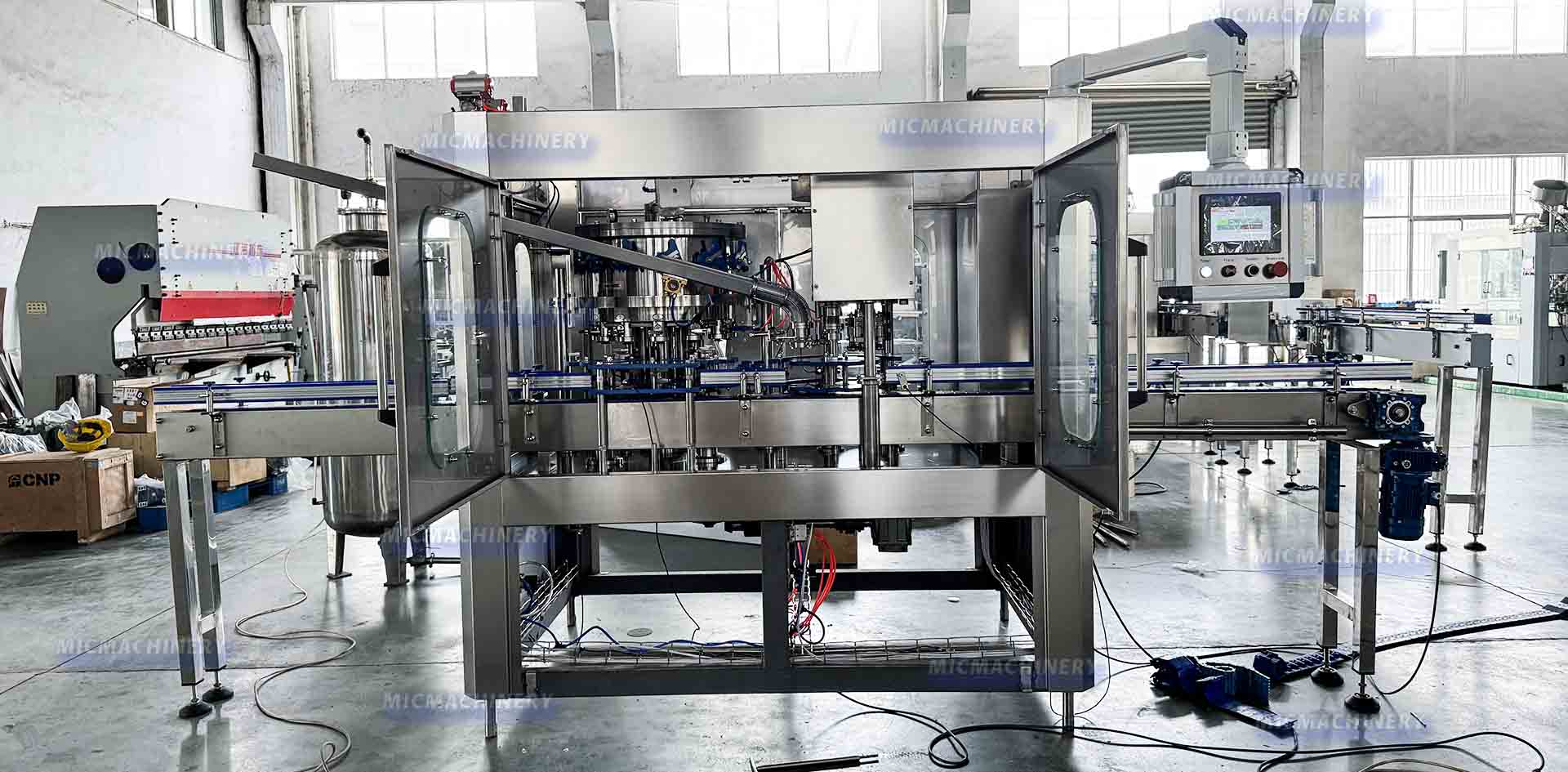
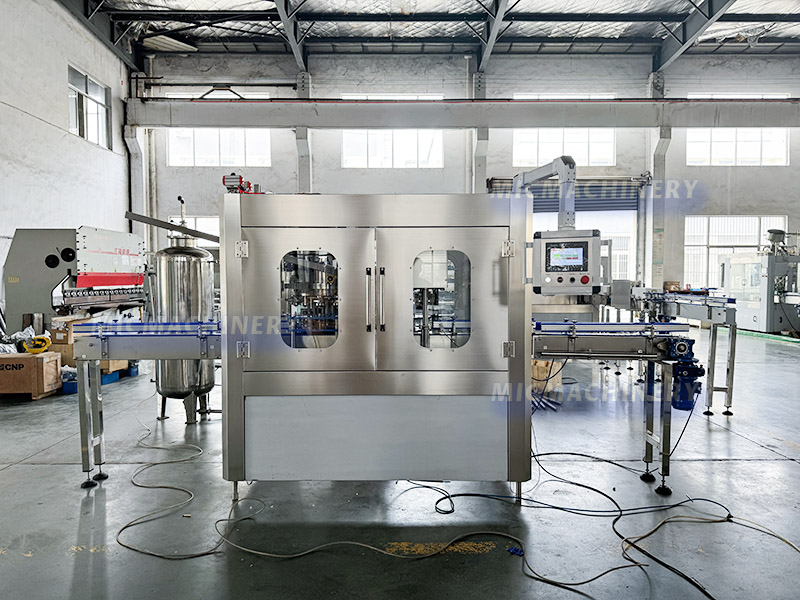
The customer selected a 12-1 isobaric beer can filling machine with a production capacity of 2000CPH. Based on the customer's actual production requirements, available investment, and expected output, Mic Machinery provided a focused equipment solution while also offering the option to expand the system into a complete beer canning line as production demand grows.
Project Basic Info
This Russia beer filling machine project was delivered on November 25, 2025, for a newly established small beer production facility.
The project capacity is 2000CPH, with beer as the filling product and aluminum cans as the packaging format. The core equipment ordered by the customer was a 12-1 isobaric beer can filling machine, designed for pressure filling applications where maintaining carbonation and reducing excessive foaming are important production considerations.
The customer chose to start with the core filling equipment rather than invest in a complete high-capacity production line at the initial stage. This approach allowed the new factory to control its startup investment while establishing an automated beer canning process.
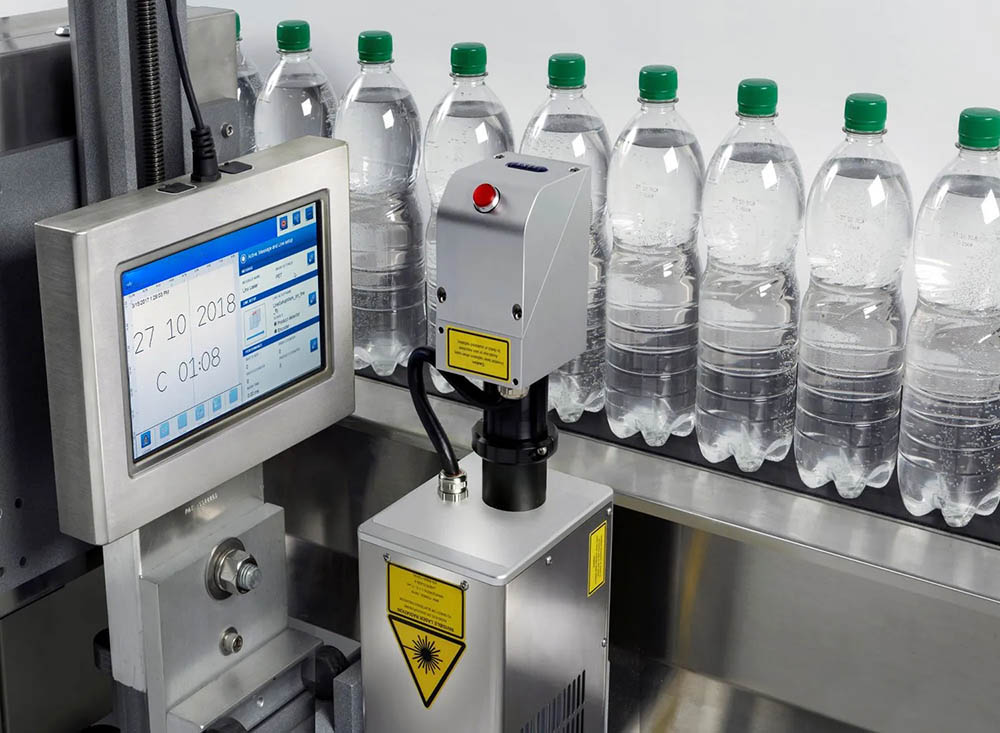
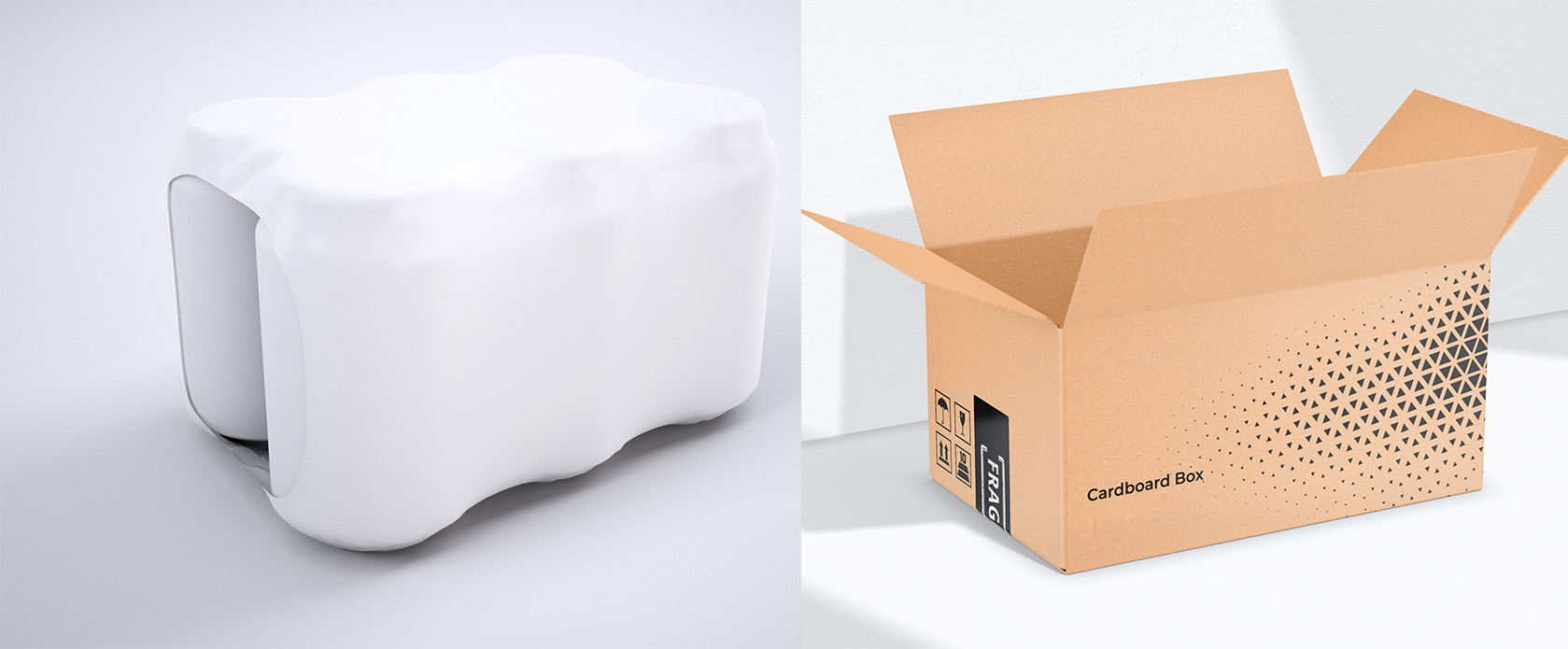
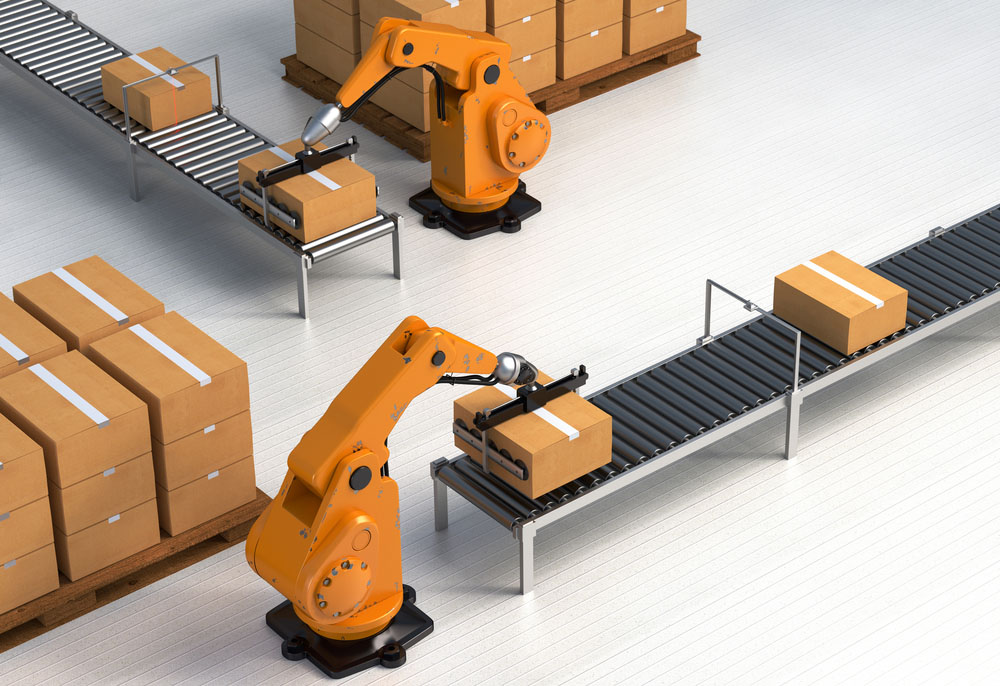
For customers with larger production requirements or plans for future expansion, Mic Machinery can integrate the filling machine with upstream processing, can handling, labeling, coding, packaging, and palletizing equipment.
A potential complete configuration can include:
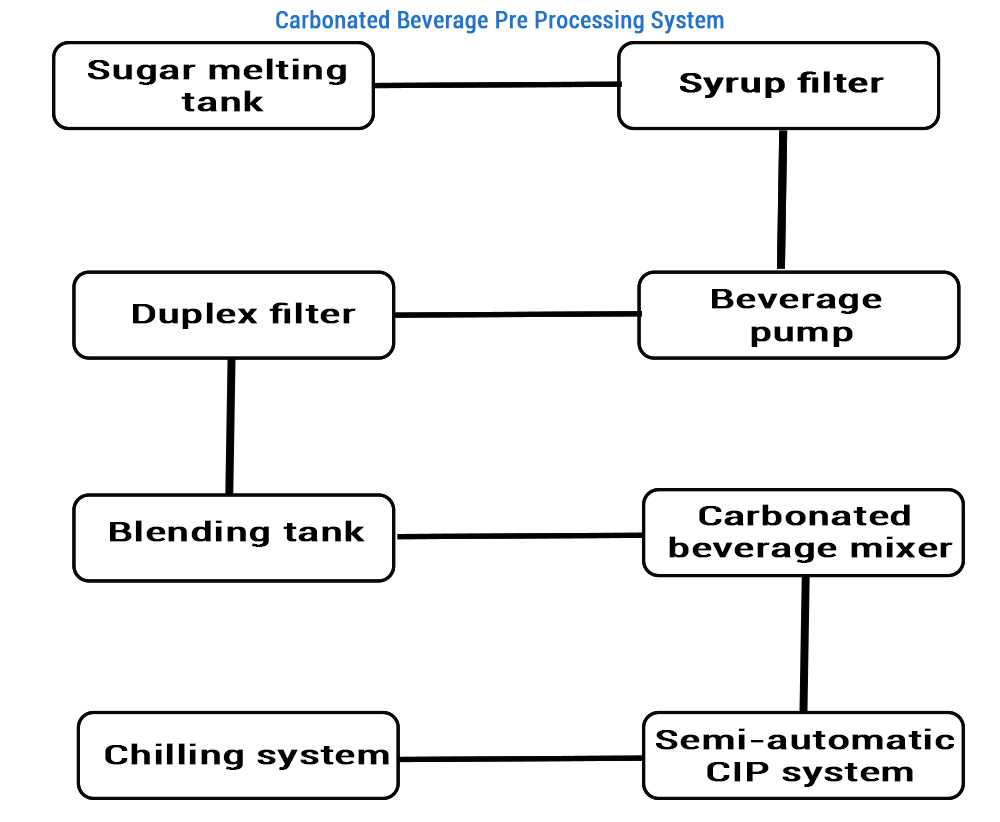
Carbonated Beverage Pre Processing System for beverage preparation and process integration.
This modular approach allows a brewery to begin with the essential beer canning filling machine and add additional automation as sales volume and production requirements increase.
Customer Demand & Pain Points
The Russian customer was a newly established small factory looking for an automatic beer can filling solution with controlled initial investment.
Instead of purchasing a large complete production line from the beginning, the customer wanted to solve the most important production requirement first: achieving reliable automatic filling and sealing of beer cans at approximately 2000 cans per hour.
Several common challenges influenced the equipment selection.
Limited Initial Investment
For a new brewery, equipment investment must be balanced against production capacity and expected market demand. An oversized production line can increase the initial capital requirement before the new brand has established sufficient sales volume.
The customer therefore preferred a relatively compact 2000CPH beer canning machine that could support initial production without requiring unnecessary equipment.
Reduction of Manual Operations
Manual filling and can handling can increase labor requirements and make production consistency more difficult to control. The customer wanted an automatic solution that could reduce repetitive operator intervention and create a more standardized filling process.
Carbonated Beer Filling Requirements
Beer is a carbonated product, so filling technology needs to account for pressure and foaming behavior. An isobaric filling principle is suitable for applications where maintaining product carbonation during filling is important.
Future Production Expansion
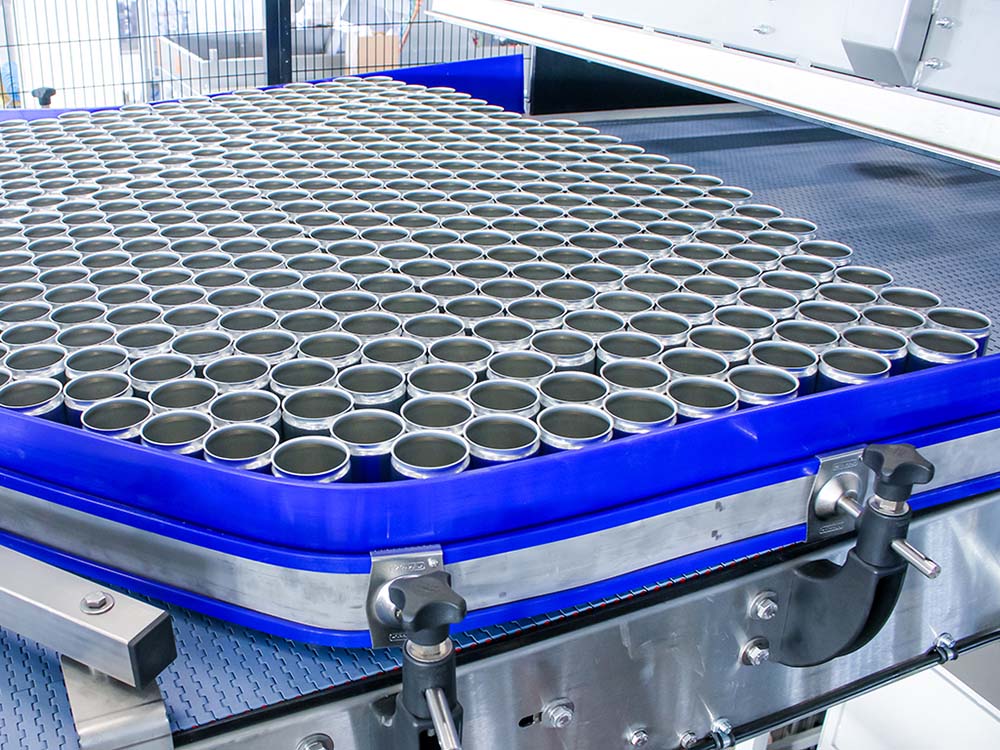
Although the initial project was designed for a small factory, the customer also needed a practical path for future development. A modular production concept makes it possible to add can depalletizing, labeling, coding, packaging, and palletizing equipment when production volume increases.
These requirements are common among small breweries searching for a beer can filling machine supplier that can provide both individual equipment and complete-line engineering support.
Our Custom Solution
Based on the customer's production target and startup investment plan, Mic Machinery recommended a 12-1 isobaric beer can filling machine with a rated production capacity of 2000CPH.
The machine was selected as the core production unit because it directly addressed the customer's primary requirement: automatic filling of carbonated beer into aluminum cans at the required production scale.
12-1 Isobaric Beer Can Filling Machine
The 12-1 configuration provides an integrated filling solution for beer canning applications. An isobaric filling process is designed to maintain a controlled pressure relationship between the product tank and cans during filling, helping manage carbonation and reduce unnecessary foaming.
For a small brewery, this configuration provides a practical balance between automation, production capacity, equipment footprint, and initial investment.
The customer could therefore begin production with the core beer canning filling machine instead of purchasing a complete high-speed line immediately.
Complete Beer Canning Line Option
As the factory expands, the filling machine can be incorporated into a more complete production system.
A typical expanded process can be organized as:
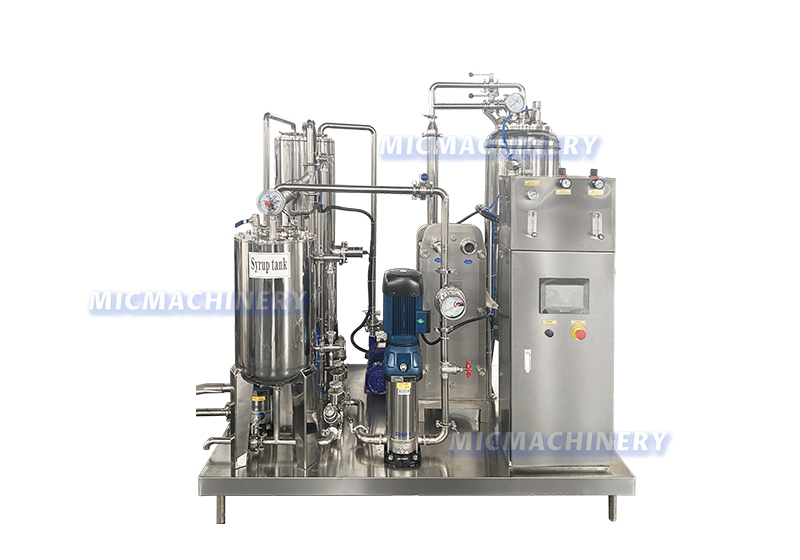
Carbonated Beverage Pre Processing System
Mixes water, syrup, and CO₂ in controlled ratios for consistent taste
Employs a carbonation tank to infuse CO₂ under pressure
Includes CIP-compatible design for hygiene and easy cleaning
We can provide the entire blending equipment for Carbonated Beverage Pre Processing System
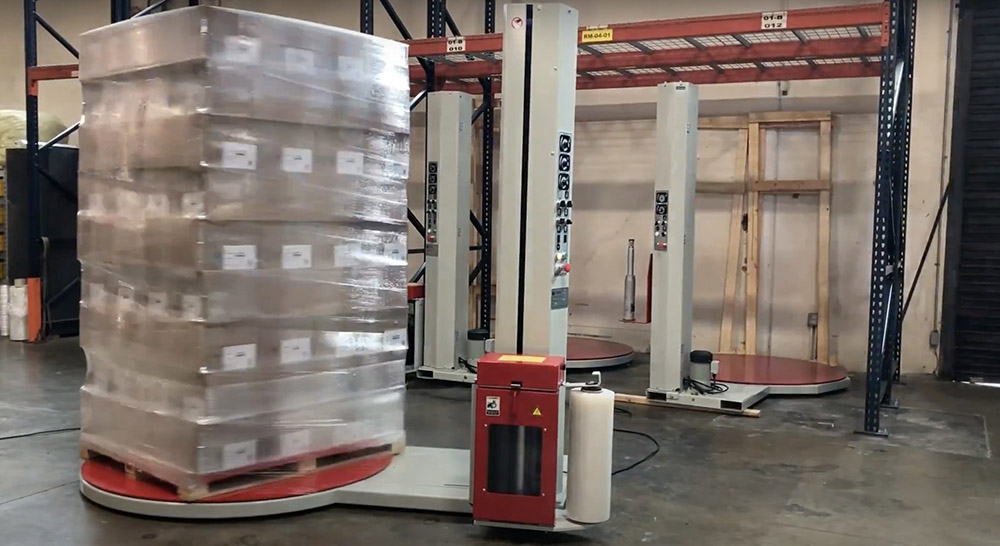
Film carriage moves vertically to cover the entire height of the load
Includes photoelectric sensors to detect load height automatically
Offers options for top-sheet application or corner reinforcement
Suitable for stabilizing products during transport and storage
Customer Feedback
The customer was satisfied with the selected configuration because it matched the production requirements of the newly established brewery without forcing the project into an unnecessarily large investment.
A suitable customer testimonial for this project can be presented as:
“We needed a simple and reliable automatic solution for our new small brewery. The 2000CPH 12-1 isobaric beer can filling machine matched our initial production target and investment plan. The equipment configuration was clear, and the machine gave us a practical starting point for our beer canning production.”
The project also provides a useful reference for other new breweries that are evaluating how to balance beer filling machine cost, production capacity, automation level, and future expansion.
Why Choose an Isobaric Beer Can Filling Machine?
When selecting equipment for carbonated beer, the filling method is an important technical consideration.
Unlike non-carbonated liquid filling, beer contains dissolved CO₂. Poorly controlled filling conditions can contribute to excessive foaming, product loss, and inconsistent filling performance.
An isobaric filling system is designed around controlled pressure conditions during filling. This makes it particularly relevant for carbonated beer applications where product carbonation and filling stability need to be considered.
However, machine selection should not be based on filling technology alone. Buyers should also evaluate:
Required CPH capacity
Can dimensions and specifications
Beer characteristics
Carbonation level
Filling temperature
Packaging requirements
Available factory space
Automation level
Future production plans
Installation and after-sales requirements
For this reason, a 2000CPH system may be a suitable starting point for a small brewery, while a larger commercial brewery may require a complete integrated canning line.
Similar Project Cases
When evaluating a beer filling machine supplier, buyers often need to compare real projects across different countries, production capacities, beverage products, and packaging formats. The following project cases provide practical references for breweries and beverage manufacturers researching beer filling machine project cases, complete bottling solutions, and real supplier project experience.
China 24000BPH Complete Water Bottling Line Project Case — A high-capacity bottled-water project integrating water treatment, PET bottle blowing, water filling, labeling, film wrapping, and palletizing. The project included two 24000BPH production lines and demonstrates how a complete production system can be planned for a new high-output factory. China 24000BPH Complete Water Bottling Line Project Case | Mic Machinery
Germany 6000CPH Beer Can Filling Line Project Case — A beer canning line upgrade designed for a German beverage producer with a target capacity of 6000CPH. The project uses an 18-6 isobaric beer can filling machine together with sterilization and can-drying equipment, providing a closer reference for customers comparing higher-capacity beer canning solutions. Germany 6000CPH Beer Can Filling Line Project Case | Mic Machinery
Australia 2000CPH Drink Filling Line Project Case — A drink filling project that provides a reference for customers researching approximately 2000CPH beverage filling applications and integrated production-line configurations. It is particularly relevant for manufacturers comparing drink filling equipment for different beverage and packaging requirements. Australia 2000CPH Drink Filling Line Project Case | Mic Machinery
Together with this Russia 2000CPH Isobaric Beer Can Filling Machine Project Case, these projects create a broader real-project reference covering Russia, Germany, Australia, and China, as well as different production scales and beverage packaging applications. This case structure helps prospective customers compare equipment configurations based on actual project requirements rather than machine specifications alone.
For breweries planning a new facility or upgrading an existing line, reviewing projects with different capacities—from a 2000CPH beer can filling machine to a 6000CPH beer canning line and high-capacity bottled-water production—can provide useful guidance when evaluating production capacity, automation level, factory layout, and future expansion requirements.
The Russia 2000CPH project demonstrates a practical equipment-selection approach for a newly established small brewery. Instead of starting with an oversized production line, the customer selected a 12-1 isobaric beer can filling machine as the core equipment for automatic beer can filling.
With a production capacity of 2000CPH, the solution is positioned for breweries that prioritize controlled startup investment, automatic operation, and a scalable production concept.
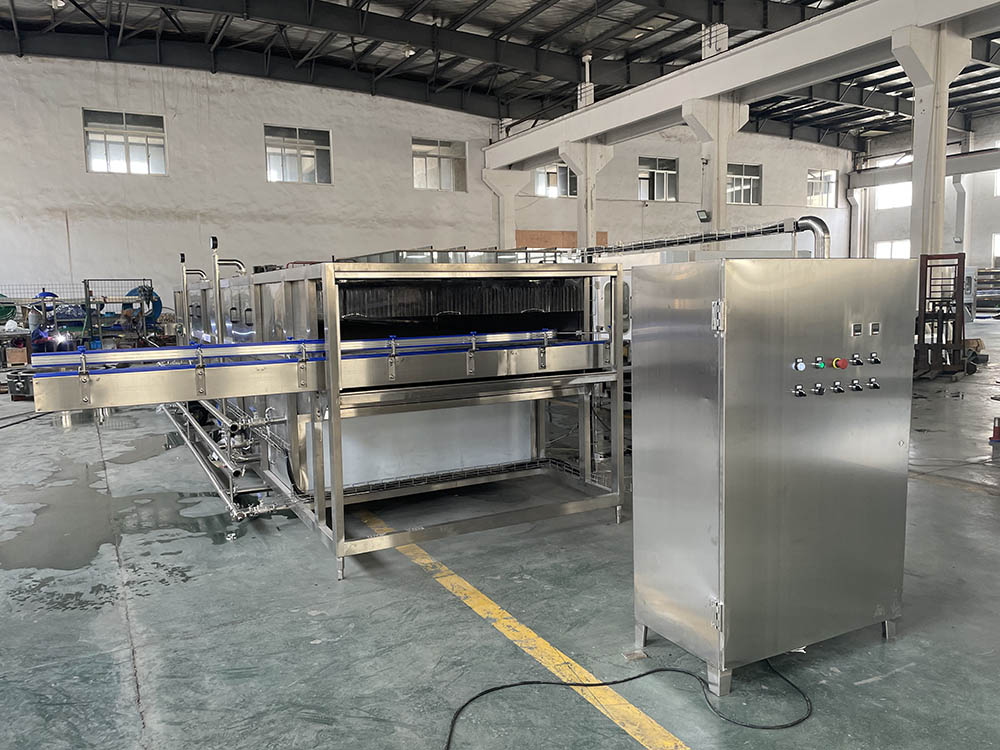
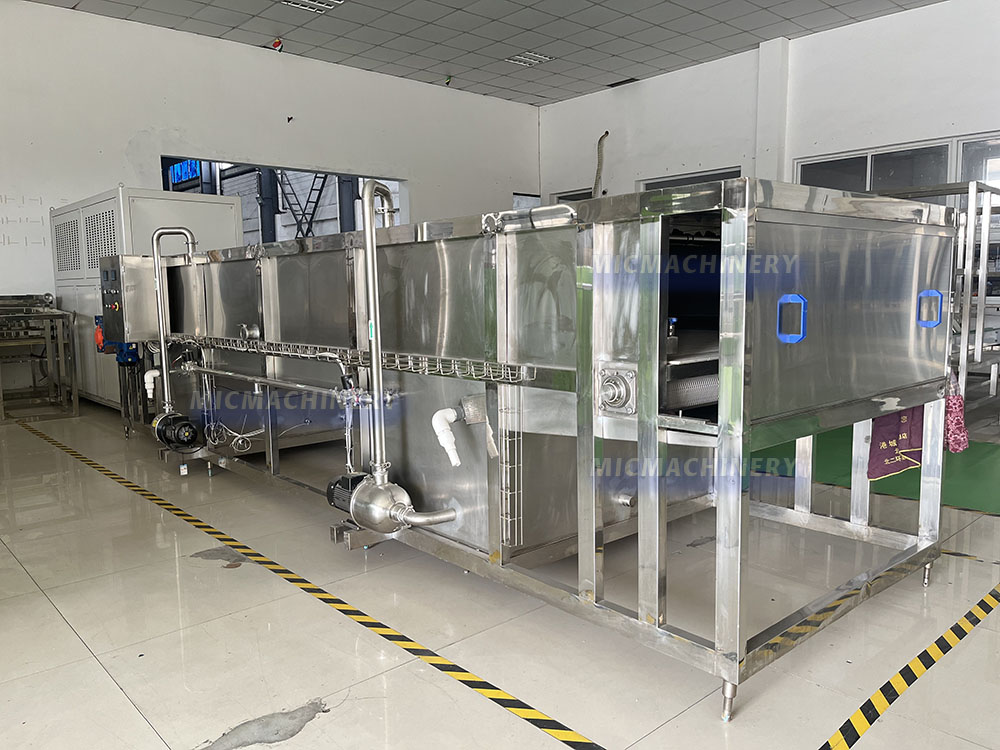
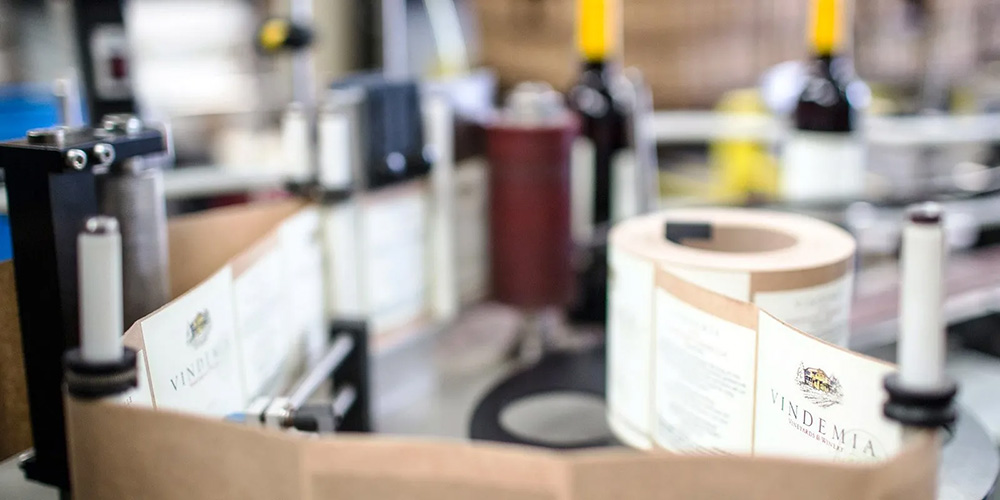
As production demand develops, additional equipment such as can depalletizing, pasteurization, labeling, laser coding, secondary packaging, palletizing, and pallet wrapping can be integrated to create a more complete beer canning line.
For breweries in Russia and other international markets, this project illustrates how filling-machine selection can be aligned with actual production demand, available investment, factory conditions, and future expansion plans.
Get a Beer Canning Solution for Your Brewery
Planning a new brewery or upgrading an existing beer production facility?
Mic Machinery can evaluate your beer product, can specifications, target capacity, factory conditions, and automation requirements to develop a suitable filling and packaging solution.