Complete Beer Canning Production Line 3000–6000CPH | Mic Machinery
A complete beer canning project requires more than a high-speed filling machine. For a new brewery, production expansion, or automated packaging upgrade, the equipment must be planned as one connected system covering product preparation, can handling, filling, sealing, pasteurization, drying, labeling, coding, secondary packaging, palletizing, and final pallet wrapping.
Mic Machinery provides customized complete beer canning production line solutions for target capacities of 3000–6000CPH, with equipment configuration based on beer characteristics, can specifications, production targets, factory space, automation requirements, and downstream packaging needs. The line can be engineered as a turnkey beer canning filling plant, helping customers coordinate equipment selection, production flow, factory layout, installation, commissioning, and after-sales service.
For breweries planning a new production facility or upgrading an existing packaging department, the objective is not simply to purchase a beer can filling machine. It is to establish a stable production system in which each process is correctly matched to the next.
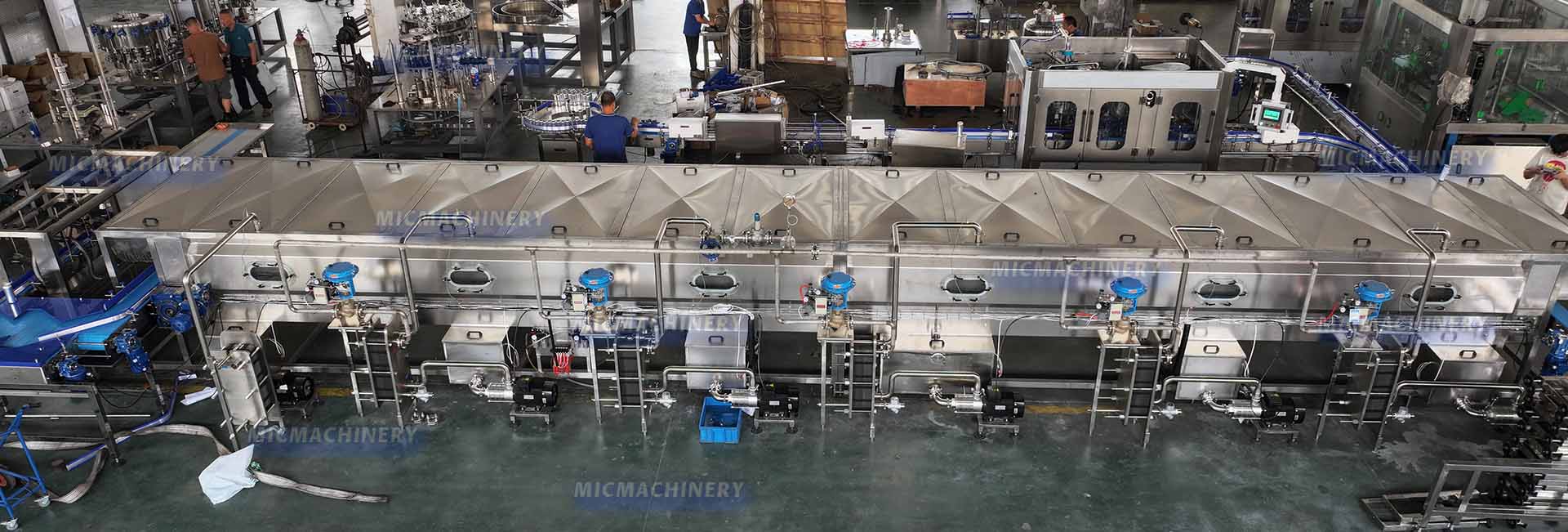
Project Overview
A modern beer packaging project typically involves several interconnected stages. Empty cans need to be introduced into the line, beer must be prepared and supplied under appropriate process conditions, filling and sealing must be completed consistently, and the filled cans may then undergo pasteurization and drying before labeling and secondary packaging.
The proposed 3000–6000CPH beer canning production line is designed for breweries and beverage manufacturers that need a scalable canning solution rather than a standalone machine.
Typical customers include:
New breweries establishing their first automated canning department
Existing breweries expanding production capacity
Beverage manufacturers replacing older filling equipment
Contract beverage producers adding aluminum-can packaging
Breweries seeking to reduce manual handling
Manufacturers integrating filling and packaging into one automated system
The solution can also support factory expansion canning line projects where the customer already has upstream brewing or beverage-processing equipment but needs a new automated packaging section.
The exact configuration depends on the product. Beer, carbonated alcoholic beverages, and other carbonated drinks have different processing requirements, so the final engineering design should be confirmed according to product formulation, carbonation level, can format, pasteurization requirements, and production targets.
Full Line Configuration
A complete canning project should be designed around the entire production flow rather than selecting machines independently. Mic Machinery can configure the main equipment and conveyors according to the customer's production requirements.
The proposed equipment structure includes:
Carbonated Beverage Pre-Processing → Can Depalletizing → Beer Filling & Seaming → Pasteurization → Air Knife Drying → Labeling → Laser Batch Coding → Secondary Packaging → Palletizing → Pallet Wrapping
Each stage has a specific role in maintaining production continuity.
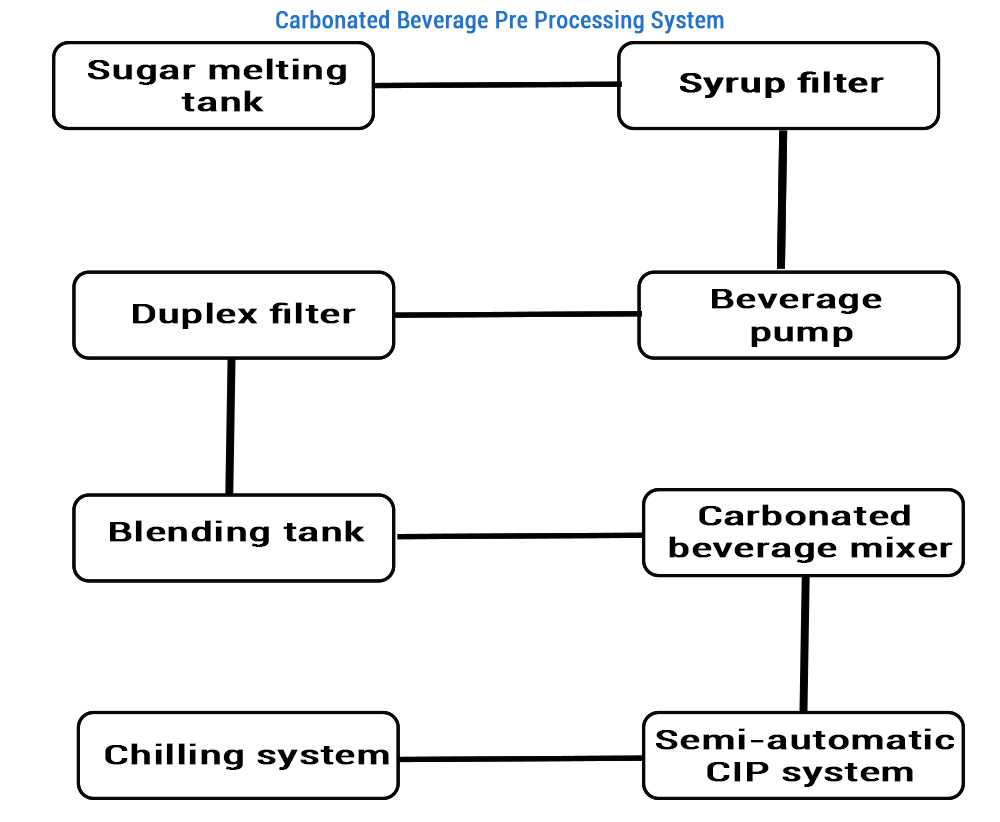 |
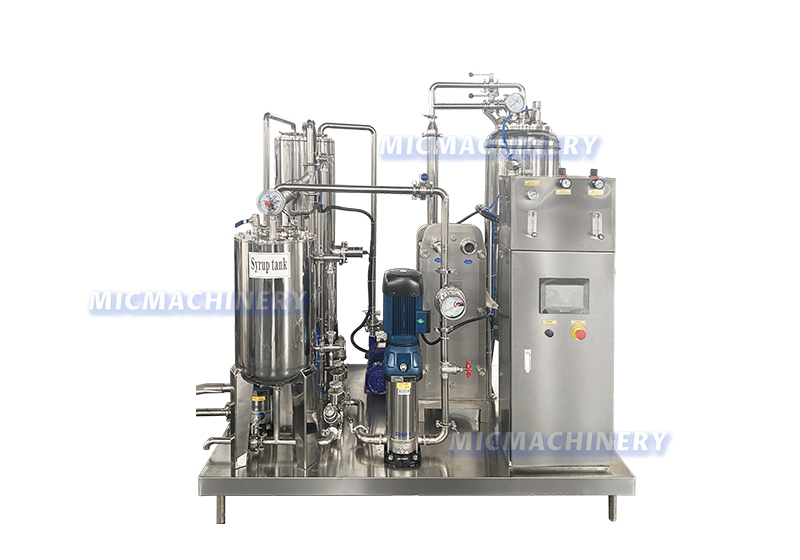
Carbonated Beverage Pre Processing System
Mixes water, syrup, and CO₂ in controlled ratios for consistent taste
Employs a carbonation tank to infuse CO₂ under pressure
Includes CIP-compatible design for hygiene and easy cleaning
We can provide the entire blending equipment for Carbonated Beverage Pre Processing System
|
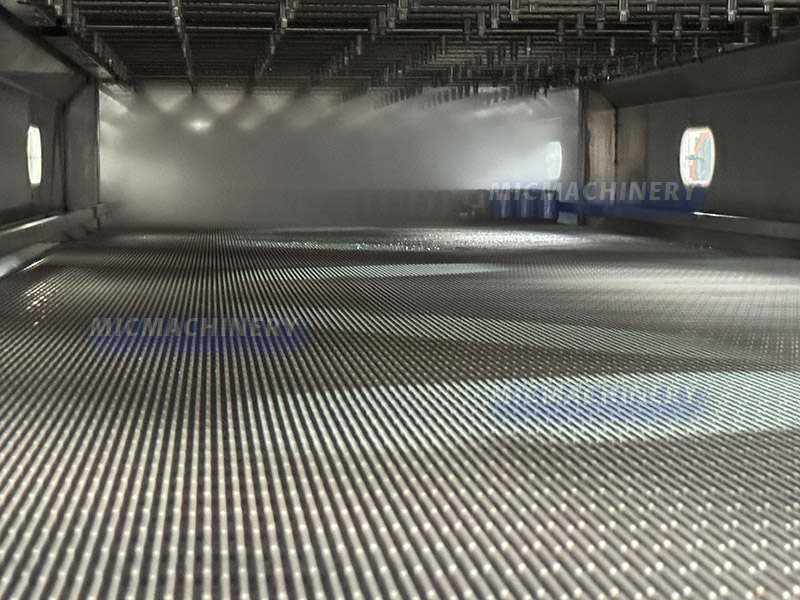 |
Pasteurization Machine
Uses controlled heating and cooling to reduce microbial load in beverages
Maintains precise temperature and holding time for safety and taste
Equipped with CIP (Clean-in-Place) system for hygiene
Supports continuous or batch processing based on production needs
|
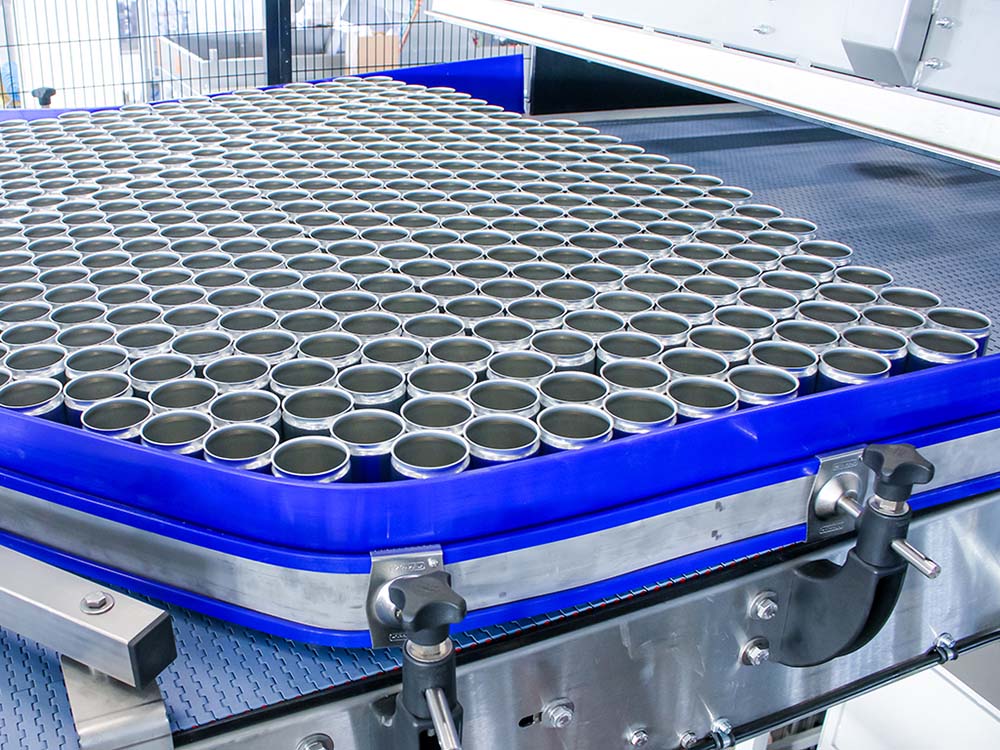 |
Can Depalletizer
Automatically unloads cans layer by layer from pallets
Operates with photoelectric sensors and PLC-based control
Designed for high-speed, continuous operation in beverage lines
Can handle empty or filled cans with minimal manual intervention
|
 |
CO₂ Mixing Machine
Mixes carbon dioxide with beverage base (water or syrup) under controlled pressure
Equipped with precision flow meters for accurate CO₂ and liquid ratio control
Uses a carbonation tank to ensure stable and uniform gas-liquid blending
Commonly integrated in soda, beer, and sparkling drink production lines
|
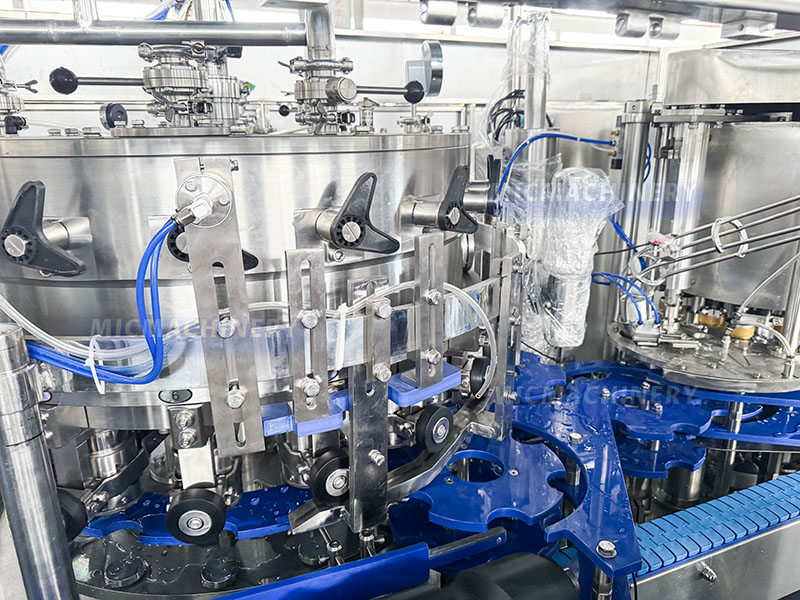 |
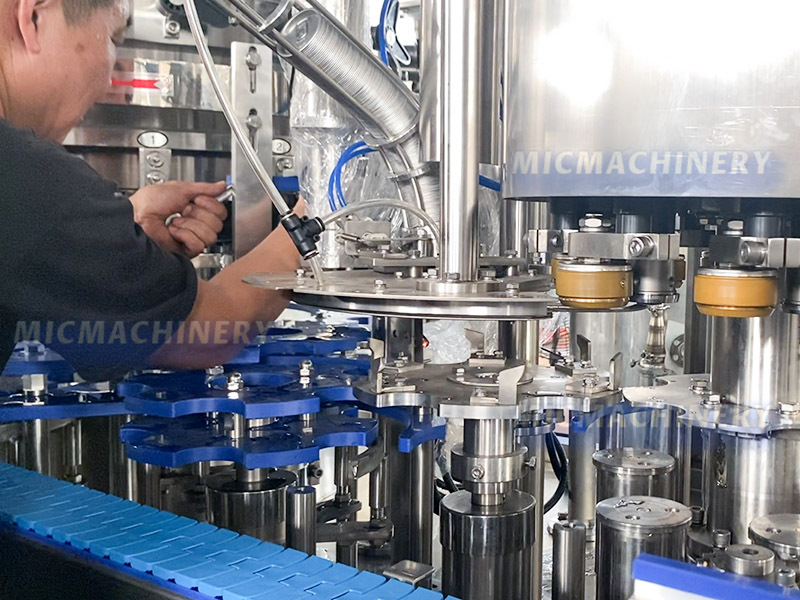
Beer Can Filling Machine
Uses isobaric filling to preserve CO₂ levels in beer
Compatible with multiple can sizes and high-speed lines
Controlled by PLC for accurate fill levels and synchronized can movement
Integrated with washing,filing and capping
|
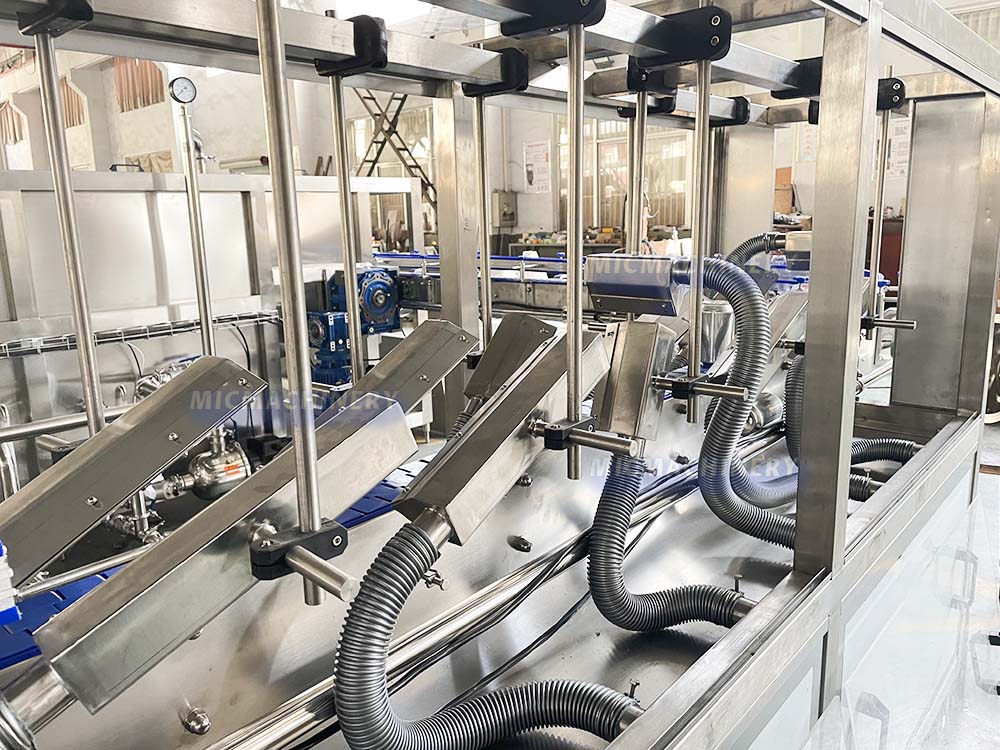 |
Air Knife Dryer
High speed fan: this equipment is equiped with a power, high strength roots blower, can produce a certain air knife effect.
High quality materials: the whole machine except accessories are made of stainless steel.
|
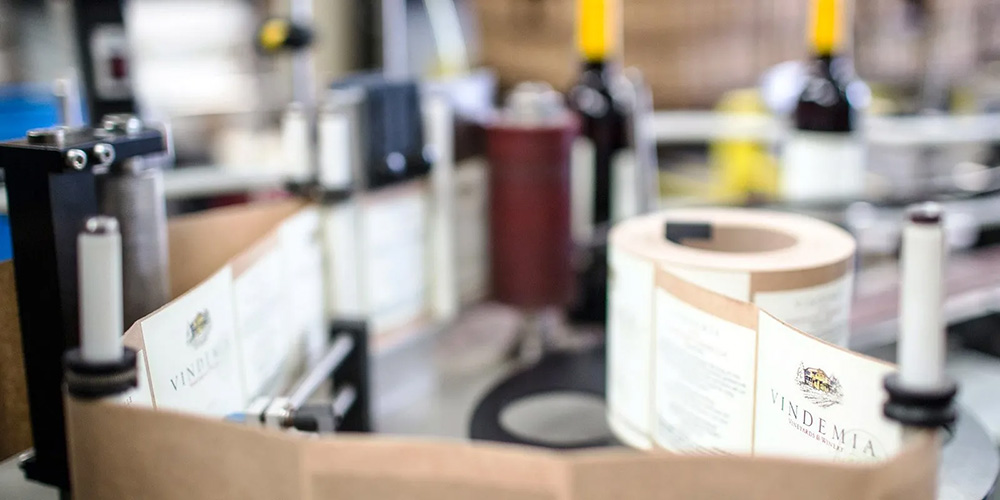 |
Labeling Machine
Labeling synchronized with conveyor speed for consistent placement
Controlled by PLC and touchscreen for easy operation and quick adjustments
Equipped with fault detection and auto-stop for safety and efficiency
Compatible with flat, round, oval, and irregular containers
|
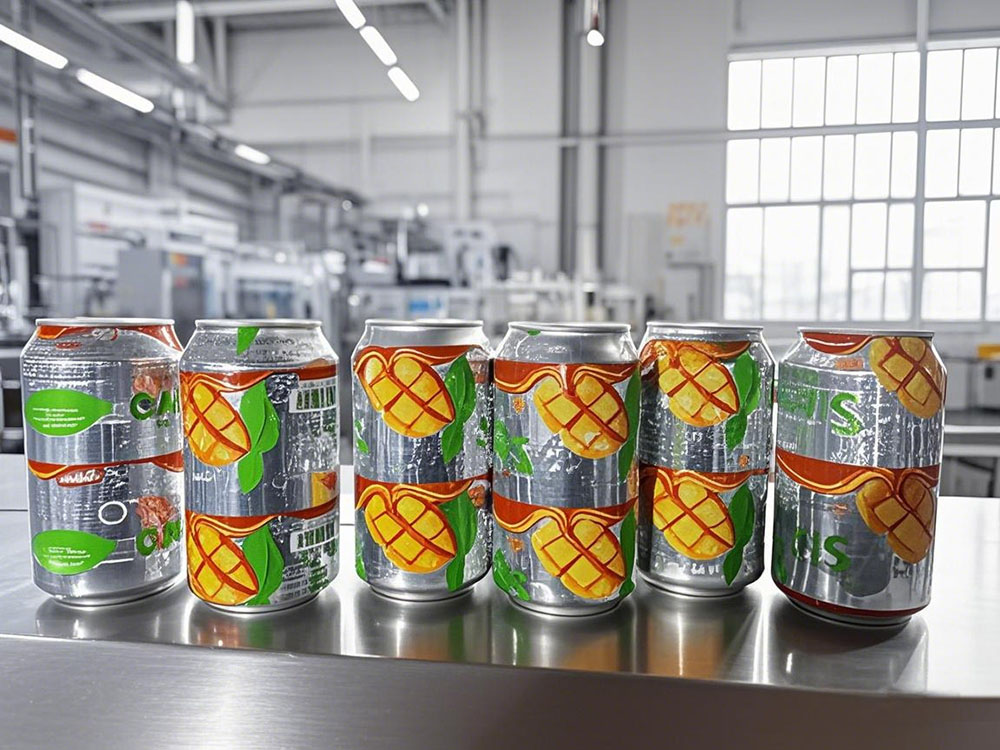 |
Shrink sleeve labeling machine
Feeds shrink film from a roll and cuts it into individual sleeves
Applies sleeves over bottles using a servo-controlled mandrel or drop system
Uses pulling and feeding wheels to maintain label tension and alignment
Compatible with round, square, and custom-shaped containers
|
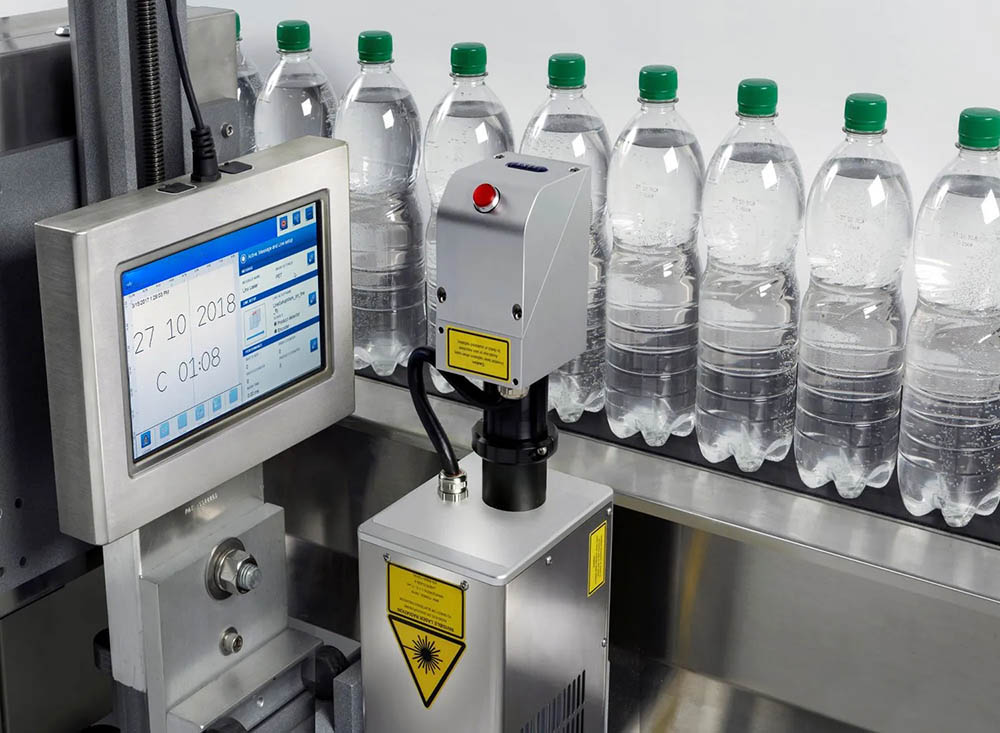 |
Laser Batch Coding Machine
Uses a focused laser beam to etch or mark codes directly onto product surfaces
No ink or consumables required, ensuring clean and permanent coding
Compatible with various packaging lines: bottles, pouches, cartons, etc.
Supports dynamic data input for variable codes like batch numbers and dates
|
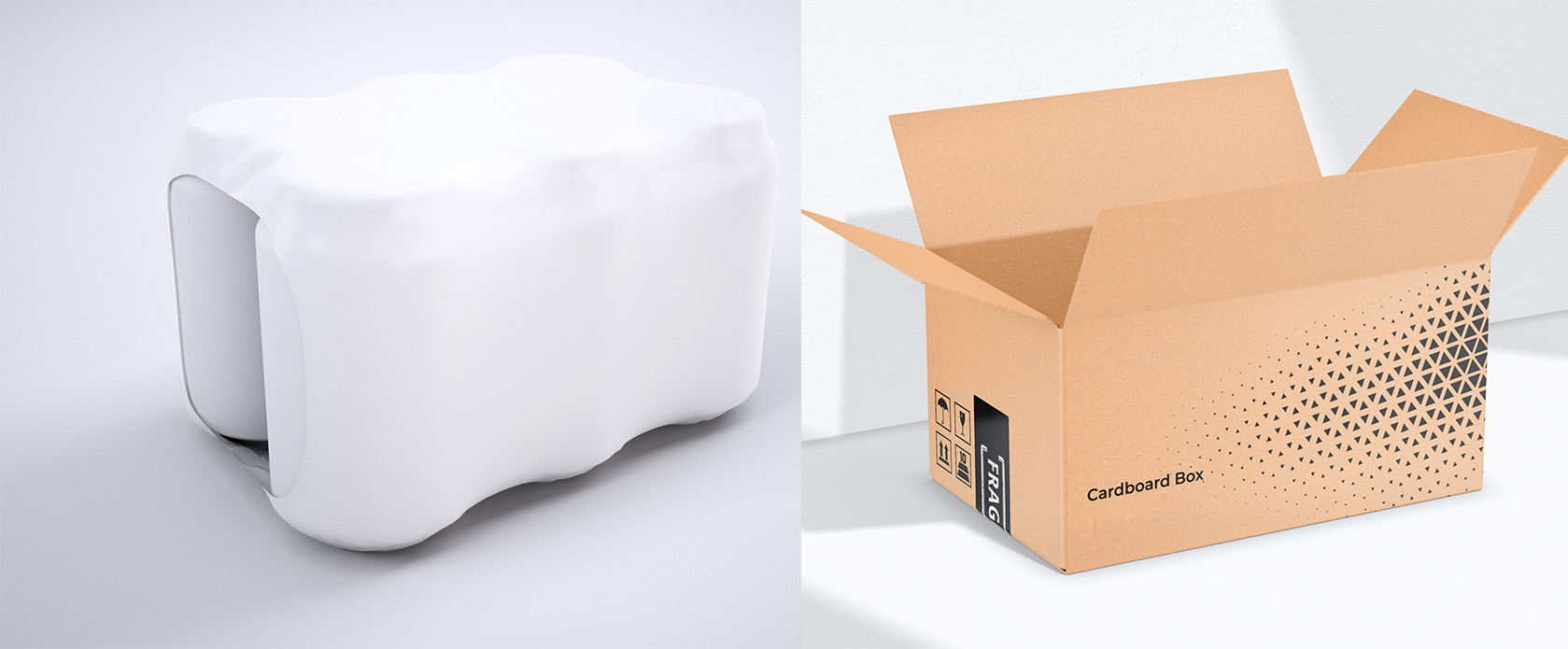 |
Wrap packing machine/Carton packing machine
Products are pushed or dropped into the open carton by mechanical arms or pushers
Equipped with sensors to detect product presence and carton position
Synchronizes with upstream filling or labeling equipment
Adjustable guides accommodate different carton sizes
|
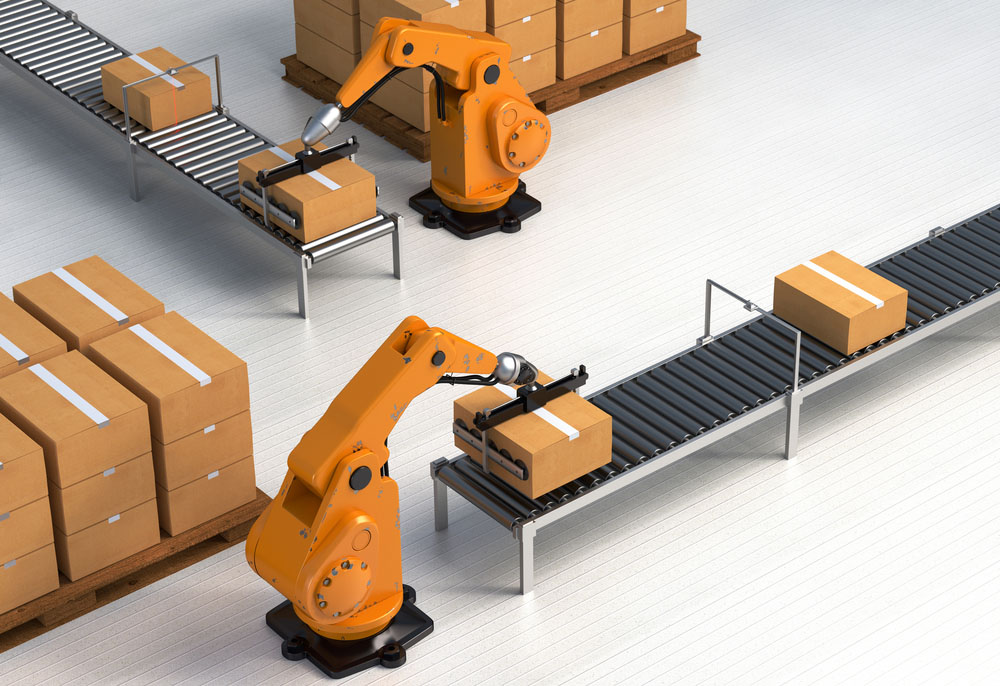 |
Palletizer
Stacks cartons, bags, or containers layer by layer onto pallets
Uses robotic arms or layer-forming conveyors for positioning
Includes pallet magazine and automatic pallet feeding system
Equipped with sensors for precise alignment and layer control
|
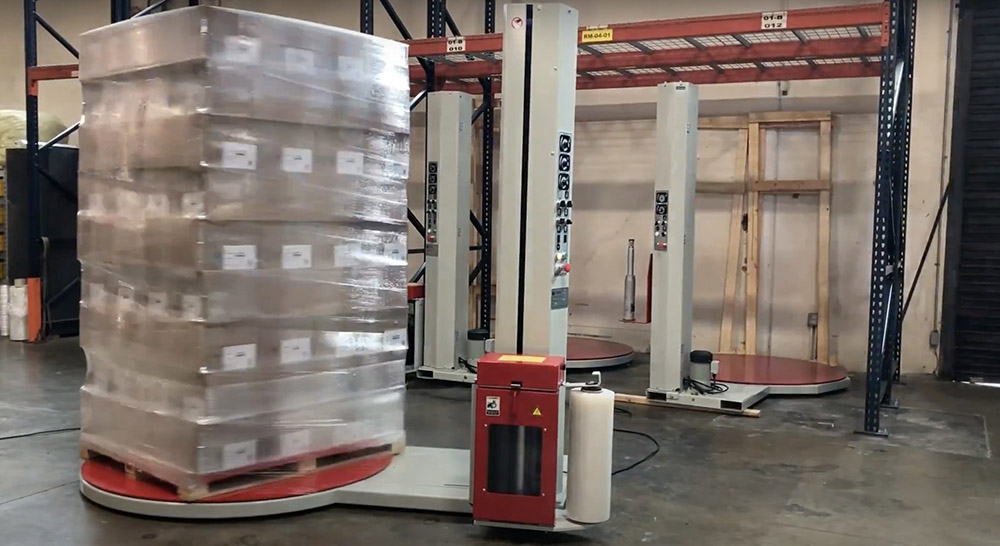 |
Pallet wrapping machine
Film carriage moves vertically to cover the entire height of the load
Includes photoelectric sensors to detect load height automatically
Offers options for top-sheet application or corner reinforcement
Suitable for stabilizing products during transport and storage
|
Custom Capacity Options
A 3000–6000CPH production range provides flexibility for breweries at different stages of development. However, the final configuration should be determined by current demand and planned growth rather than capacity alone.
Small Beer Canning Production Line
For a startup brewery or regional producer, a smaller configuration can focus on essential processes:
Can Depalletizing → Filling & Seaming → Pasteurization → Drying → Labeling → Coding → Packaging
The objective is to control initial investment while retaining a logical production flow.
This type of small beverage production line may be appropriate when the brewery is validating a new market or gradually increasing production.
Medium 3000CPH Beer Canning Line
A 3000CPH line can provide a more automated packaging solution for an established brewery or a growing beverage manufacturer.
At this level, automation can extend beyond filling to:
Can depalletizing
Pasteurization
Drying
Labeling
Coding
Secondary packaging
Palletizing
This reduces manual handling across the packaging department.
Large 6000CPH Beer Canning Line
For larger breweries and large carbonated drink plants, a 6000CPH configuration can be designed around continuous production and higher downstream packaging capacity.
At higher speeds, line balance becomes increasingly important.
The filling machine, pasteurizer, dryer, labeling machine, packaging equipment, palletizer, and conveyors should all be evaluated as one system.
A high-speed filler connected to an undersized packaging machine will not deliver the expected overall production performance.
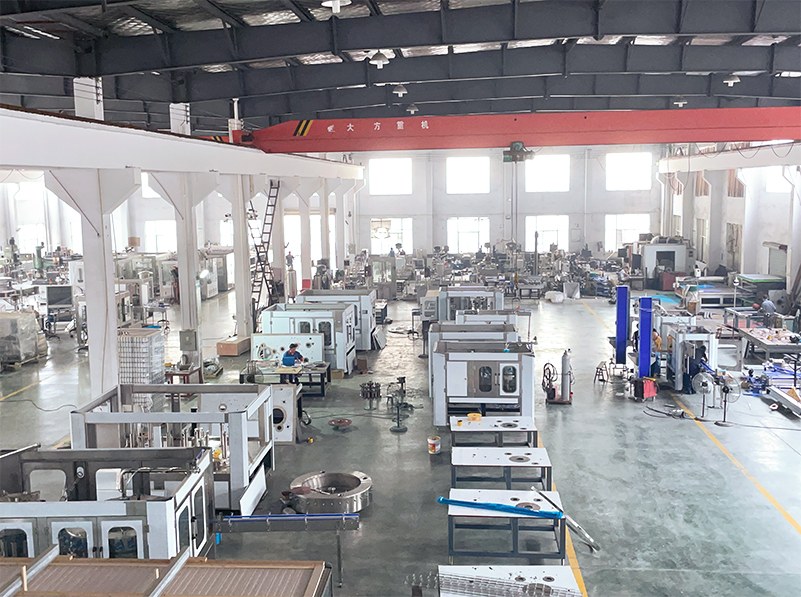
Factory Layout & Installation Service
A successful beer canning project begins before equipment manufacturing.
For a new brewery, factory planning should consider the relationship between the brewing area, product preparation section, filling room, packaging area, finished-product warehouse, utilities, and maintenance access.
Production Layout
A typical packaging layout can follow:
Raw / Empty Can Area → Depalletizing → Filling & Seaming → Pasteurization → Drying → Labeling & Coding → Secondary Packaging → Palletizing → Finished Goods Warehouse
The actual arrangement can be straight-line, U-shaped, or customized according to building dimensions.
Factory planning should consider:
Available building length and width
Ceiling height
Door dimensions
Equipment maintenance space
Operator walkways
Electrical supply
Compressed air
Water supply
Drainage
Steam or thermal-energy requirements
Finished-product storage
Forklift routes
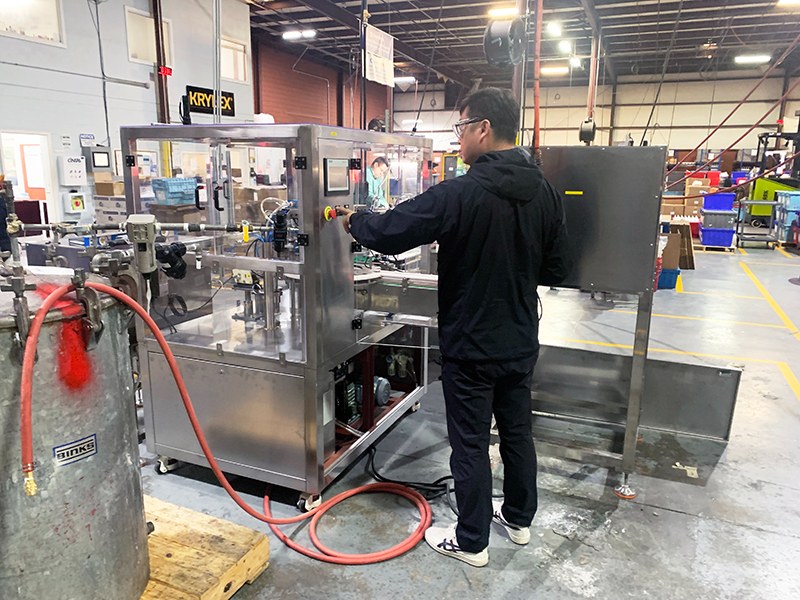
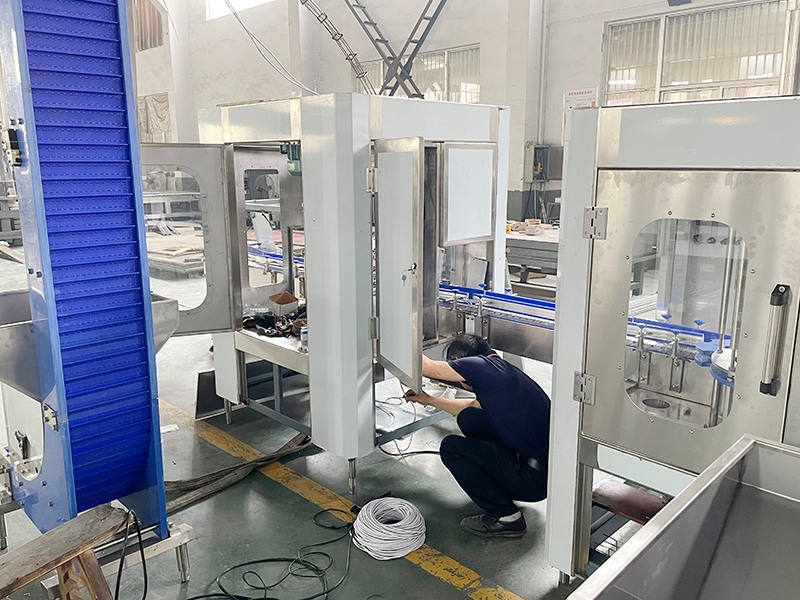
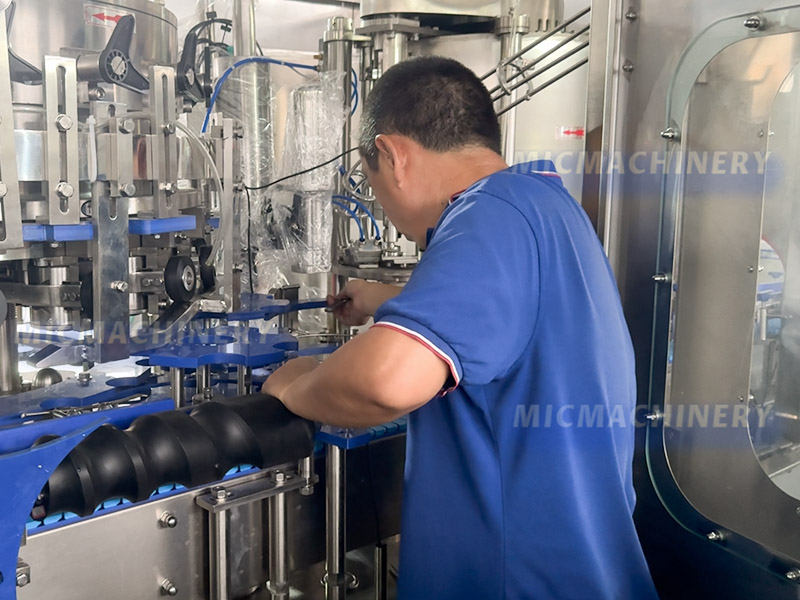
Project Installation
For overseas projects, equipment installation should be treated as part of the overall project rather than an afterthought.
Mic Machinery can support project implementation through:
Equipment Manufacturing → Pre-Shipment Inspection → Transportation Coordination → On-Site Installation → Commissioning → Operator Training → After-Sales Support
For a new turnkey beer canning filling plant, commissioning should verify the interaction between individual machines, conveyor speeds, product supply, filling performance, pasteurization conditions, labeling, coding, and packaging.
Why Factory Layout Matters
A technically capable machine can still underperform if the factory layout creates unnecessary material movement, difficult maintenance access, or bottlenecks between production stages.
For this reason, layout planning should be completed before finalizing machine dimensions and equipment positions.
Mic Machinery's published pasteurization information also notes that its systems can be customized according to production environment, container type, and output speed, supporting integration into different production-line configurations.
Project Installation & Commissioning
For international customers in Africa, Southeast Asia, the Middle East, Europe, and other markets, equipment procurement is only one part of the project.
A complete project plan should define:
Product and packaging specifications
Target production capacity
Equipment configuration
Factory layout
Utility requirements
Equipment manufacturing
Shipment and delivery
Installation
Commissioning
Operator training
Spare parts and maintenance
After-sales technical support
This project-based approach is particularly important for customers comparing different beer canning line suppliers.
Instead of comparing only machine prices, buyers should evaluate whether the supplier can provide the complete technical chain from equipment selection through production commissioning.
Industry Cases For This Solution
Real project experience is an important reference when evaluating a beverage machinery supplier.
Mic Machinery has documented a Germany 6000CPH Beer Can Filling Line Project Case, providing a relevant reference for breweries researching a similar production capacity and aluminum-can packaging format.
The project centers on an 18-6 isobaric beer can filling machine and includes downstream processing equipment for the customer's production requirements. See the Germany 6000CPH Beer Can Filling Line Project Case for project-specific information.
This case can help customers evaluate:
Production capacity
Beer canning application
Filling technology
Equipment configuration
Project implementation
Installation and commissioning requirements
How to Select a Complete Beer Canning Production Line?
When comparing suppliers, customers should evaluate the entire production system rather than selecting equipment based only on nominal speed.
Product Compatibility
Confirm the line is designed for the actual beer product, carbonation characteristics, can format, and processing requirements.
Capacity Matching
The target 3000–6000CPH should represent the required production range, while upstream and downstream equipment should be sized accordingly.
Filling Technology
For carbonated beer, the filling system should be selected according to the product and required filling process.
Thermal Processing
If pasteurization is required, the pasteurizer should be designed around container size, production speed, and validated process conditions.
Packaging Integration
Labeling, coding, wrapping, carton packing, palletizing, and pallet wrapping should be synchronized with the filling section.
Factory Planning
Equipment dimensions and line orientation should be determined alongside the available building space and utility infrastructure.
Installation and After-Sales Service
International buyers should clarify:
Installation support
Commissioning
Operator training
Spare parts
Technical documentation
Remote technical support
Warranty conditions
These factors can have a significant effect on the long-term operating cost of a complete beer canning production line.
FAQ – Common Questions About Beer Canning Production Lines
1.What capacity can this beer canning production line handle?
This solution is designed around a 3000–6000CPH production range. The final capacity depends on the selected filling machine, can format, product characteristics, and complete-line configuration.
2.What equipment is included in a complete beer canning line?
A customized line can include carbonated beverage pre-processing, can depalletizing, beer filling and sealing, pasteurization, warm irrigation, air knife drying, labeling, laser coding, secondary packaging, palletizing, and pallet wrapping.
3.Is pasteurization necessary for every beer canning project?
Not necessarily. The requirement depends on the beer product, process design, shelf-life strategy, packaging conditions, and applicable production requirements. If pasteurization is required, the pasteurizer should be engineered around the specific product and container.
4.Can the line be installed in a new brewery?
Yes. For a new factory, equipment configuration and factory layout can be planned together to coordinate production flow, utilities, maintenance access, operator movement, and finished-product logistics.
5.Can an existing brewery upgrade its current canning line?
Yes. A factory expansion canning line can be designed around existing equipment where technically compatible. The project should evaluate current production capacity, equipment condition, available space, and required automation before deciding which machines need replacement or integration.
6.What information is needed for a beer canning line quotation?
The supplier normally needs information such as beer type, can size, target CPH, packaging format, filling requirements, pasteurization requirements, factory dimensions, power supply, and desired automation level.
7.Does Mic Machinery provide installation and after-sales support?
Project support can include equipment engineering, layout planning, installation, commissioning, operator training, spare-parts support, and technical after-sales service according to the project scope.
Complete Beer Canning Production Line: From Equipment to Project Delivery
A successful beer canning project is ultimately a production engineering project, not simply an equipment purchase.
For a 3000–6000CPH brewery, the filling machine must work together with can depalletizing, sealing, pasteurization, drying, labeling, coding, packaging, palletizing, and warehouse logistics. The factory layout must provide sufficient space for production, maintenance, utilities, and material movement. The commissioning process must verify that the entire line operates as a coordinated system.
Mic Machinery can develop a customized configuration according to beer type, can specification, target capacity, factory space, automation requirements, and future expansion plans.
For breweries planning a new facility, upgrading an existing packaging department, or comparing turnkey beer canning filling plant suppliers, a complete project evaluation provides a more reliable basis for equipment selection than comparing individual machine prices.
Planning a 3000–6000CPH beer canning production line?
Send us your beer type, can size, target capacity, factory dimensions, and packaging requirements to receive a customized equipment configuration and production layout.
Get a complete beer canning line proposal, schedule a video meeting to view factory equipment and real project operation, or apply for a factory visit.
Mic Machinery can support your project from machine selection and production layout to installation, commissioning, operator training, and after-sales service.