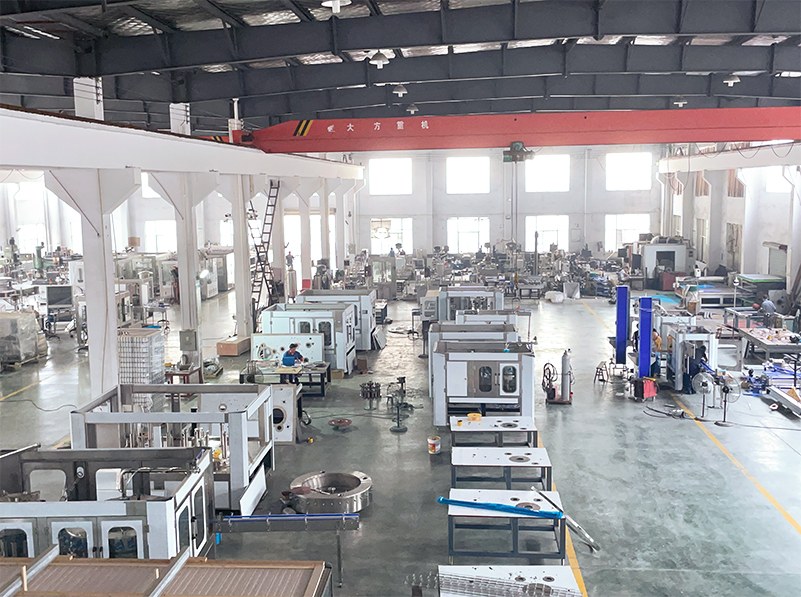
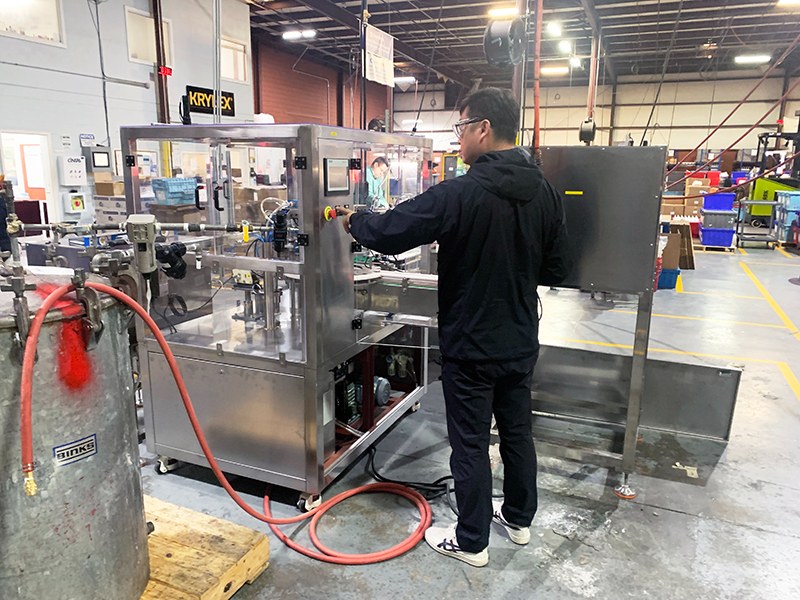
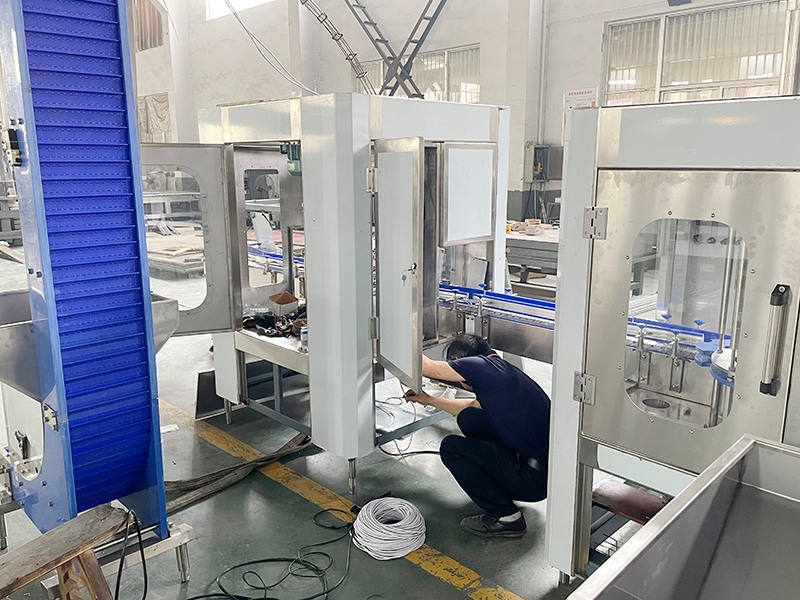
Germany 6000CPH Beer Can Filling Line Project Case | Mic Machinery
Mic Machinery delivered a customized beer filling line solution for a German beverage producer requiring higher production efficiency and more reliable filling performance. The project was designed around a target capacity of 6000 cans per hour (6000CPH) and a can-based beer packaging format.
The project focused on upgrading production efficiency while addressing limitations associated with the customer's existing line. The complete configuration centered on an 18-6 isobaric beer canning filling machine, supported by sterilization and can drying equipment to create a more integrated beer filling process.
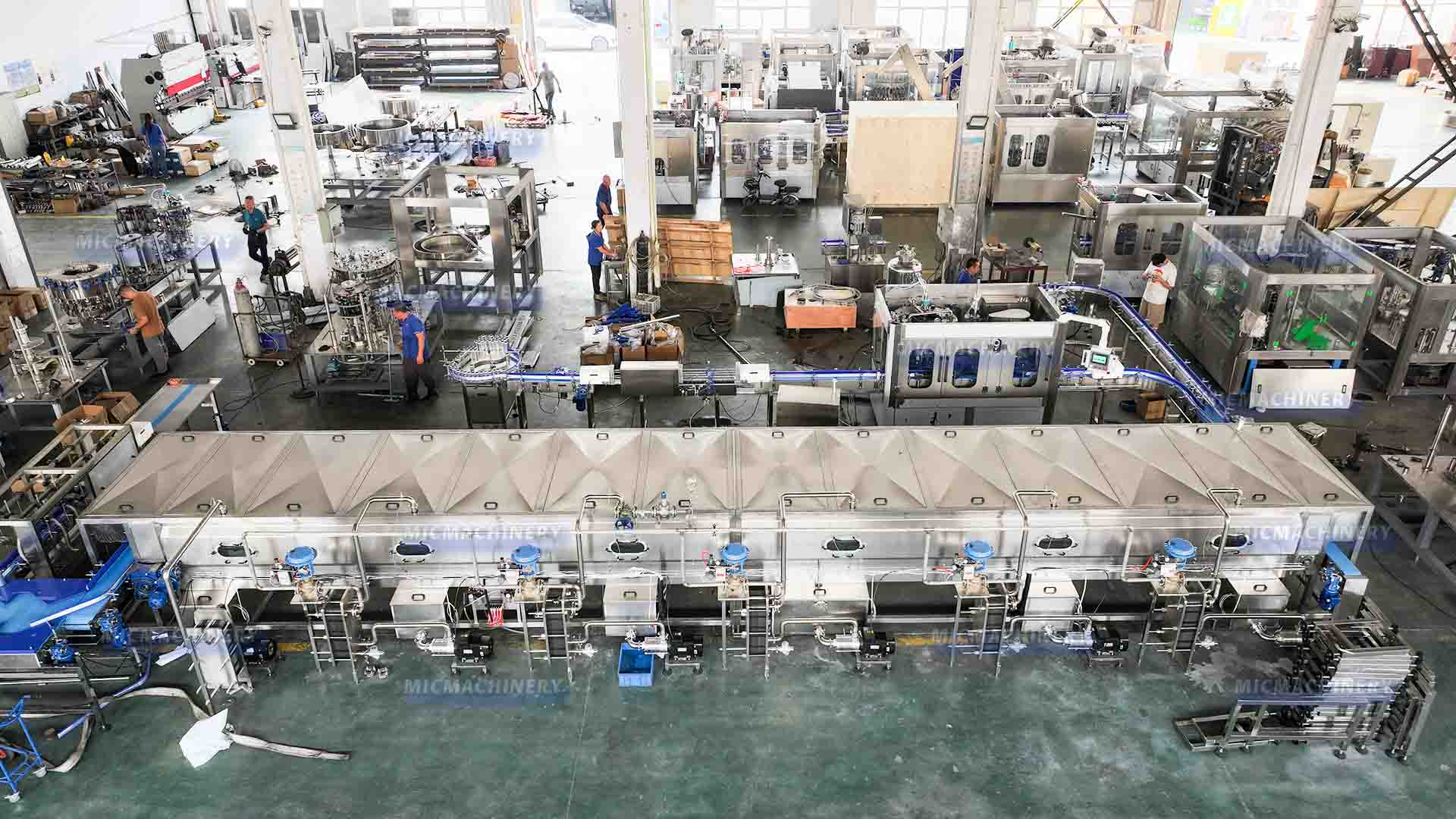
Project Basic Info
This Germany beer filling line project was developed for a beverage producer in Germany with a target production capacity of 6000CPH. The product is beer, and the packaging format is aluminum cans.
The core equipment is an 18-6 isobaric beer canning filling machine, designed for beer products that require controlled pressure filling to help maintain carbonation and filling consistency.
The complete project configuration includes a sterilization machine, can drying machine, and 18-6 isobaric beer can filling machine. These machines work together as part of the production flow, helping the customer improve line integration and reduce unnecessary manual handling.
The project facts can be summarized as follows:
Customer Location: Germany
Product: Beer
Production Capacity: 6000CPH
Package: Aluminum cans
Filling Technology: Isobaric filling
Core Filling Equipment: 18-6 isobaric beer can filling machine
Supporting Equipment: Sterilization machine and can drying machine
Project Type: Beer filling line upgrade / production expansion
For manufacturers comparing different equipment configurations, the project provides a practical reference for evaluating a beer canning filling machine at approximately 6000CPH.
Customer Demand & Pain Points
Before the project, the German customer was facing several production challenges with the existing beer packaging system.
Low Production Efficiency
The customer's previous production line could not provide the desired production efficiency for its current market requirements. As order volumes increased, the existing equipment became a limitation to further production growth.
For a brewery considering expansion, simply increasing working hours is not always an effective solution. Equipment efficiency, filling stability, downstream processing, and production continuity all influence actual output.
Insufficient Production Capacity
The customer required a target capacity of 6000CPH to better match current production requirements.
The new line therefore needed to provide a stable production flow rather than simply achieving a theoretical maximum speed.
Hygiene and Sterilization Requirements
The customer also required better control of the sanitation process. The existing production arrangement did not fully meet the customer's expectations for hygienic production management.
For beer packaging, equipment cleaning and sanitation are important considerations because product-contact surfaces, containers, and filling components need to be managed according to the brewery's production and hygiene procedures.
Reduced Manual Intervention
Another objective was to reduce unnecessary manual handling between production stages. An integrated configuration allows the sterilization, filling, and drying processes to work as a more coordinated system.
These requirements made the project more than a simple filling-machine replacement. The customer needed a beer filling line that addressed capacity, filling technology, hygiene management, and production continuity together.
Our Custom Solution
Based on the customer's beer product, aluminum can format, target capacity, and production requirements, Mic Machinery configured a 6000CPH beer canning line centered around an 18-6 isobaric filling machine.
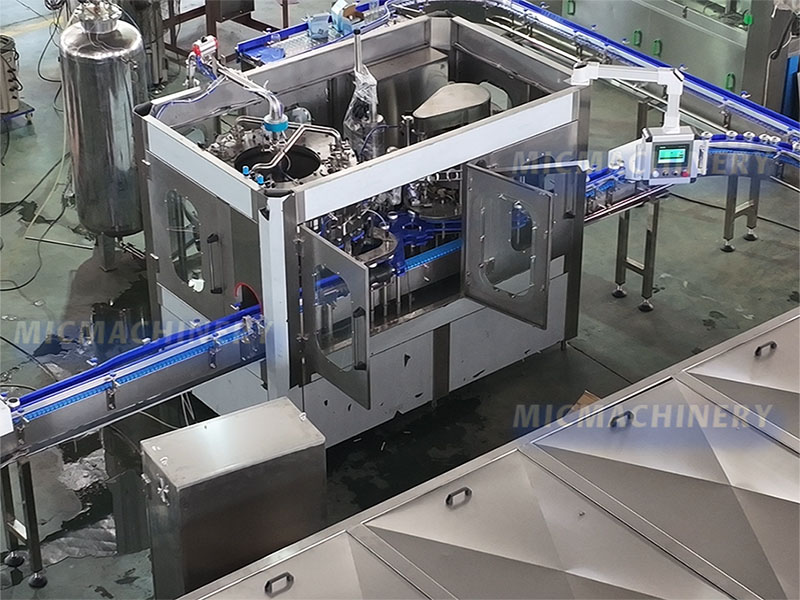 |
18-6 Isobaric Beer Can Filling Machine
The 18-6 isobaric beer canning filling machine was selected as the core filling equipment.
Isobaric filling is commonly used for carbonated beverages because the filling process is performed under controlled pressure conditions. For beer, appropriate pressure management can help reduce excessive foaming and support more consistent filling performance.
The machine configuration was selected around the customer's:
Beer product characteristics
Aluminum can format
6000CPH target
Isobaric filling requirements
Production-line integration requirements
Rather than selecting equipment based only on nominal speed, the project considered how the filling machine would operate together with the supporting equipment.
|
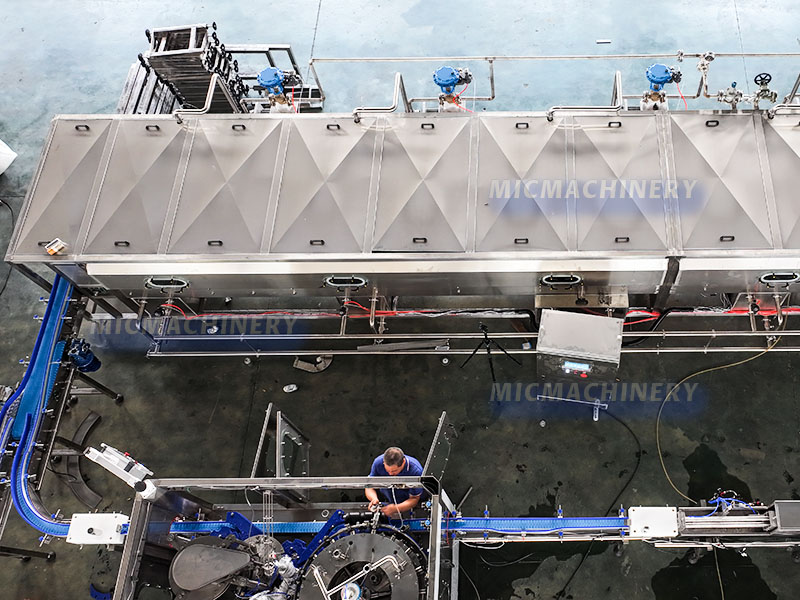 |
Sterilization Machine
A sterilization machine was incorporated into the line to support the customer's hygiene requirements.
Its position within the overall production process allows container treatment to be considered as part of the complete production workflow instead of being handled as a separate manual operation.
The exact sterilization procedure and operating parameters should be established according to the customer's beer production process, container specifications, and validated hygiene requirements.
|
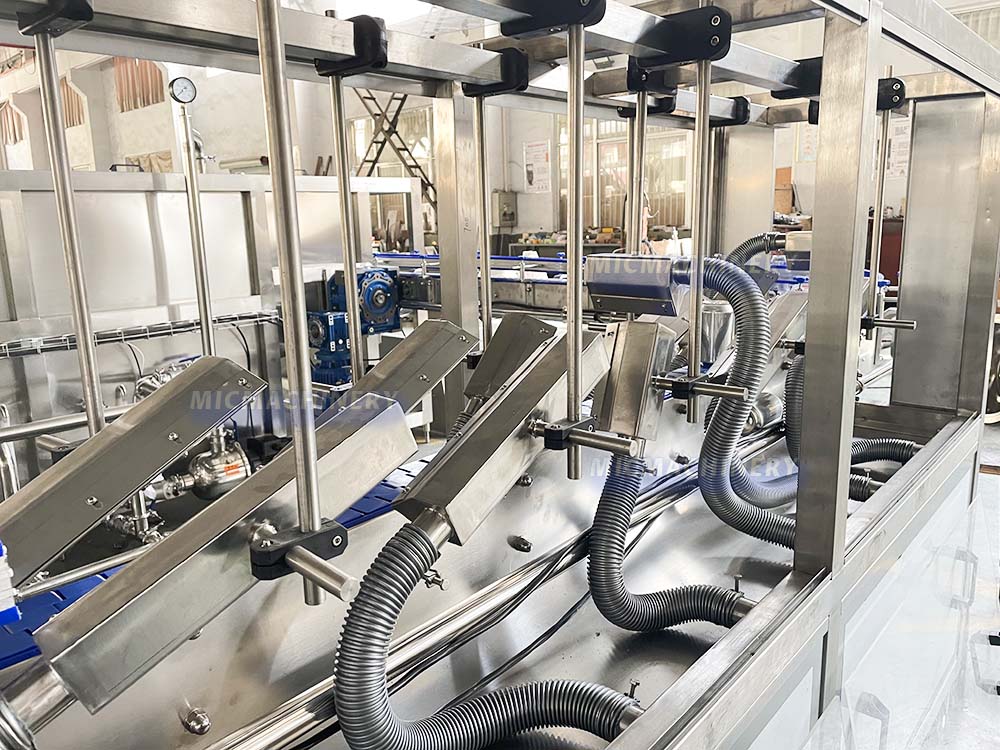 |
Can Drying Machine
After the relevant processing stages, the can drying machine helps remove residual moisture from the outside of cans before subsequent handling or packaging operations.
This can help improve downstream handling conditions and maintain a cleaner production environment.
|
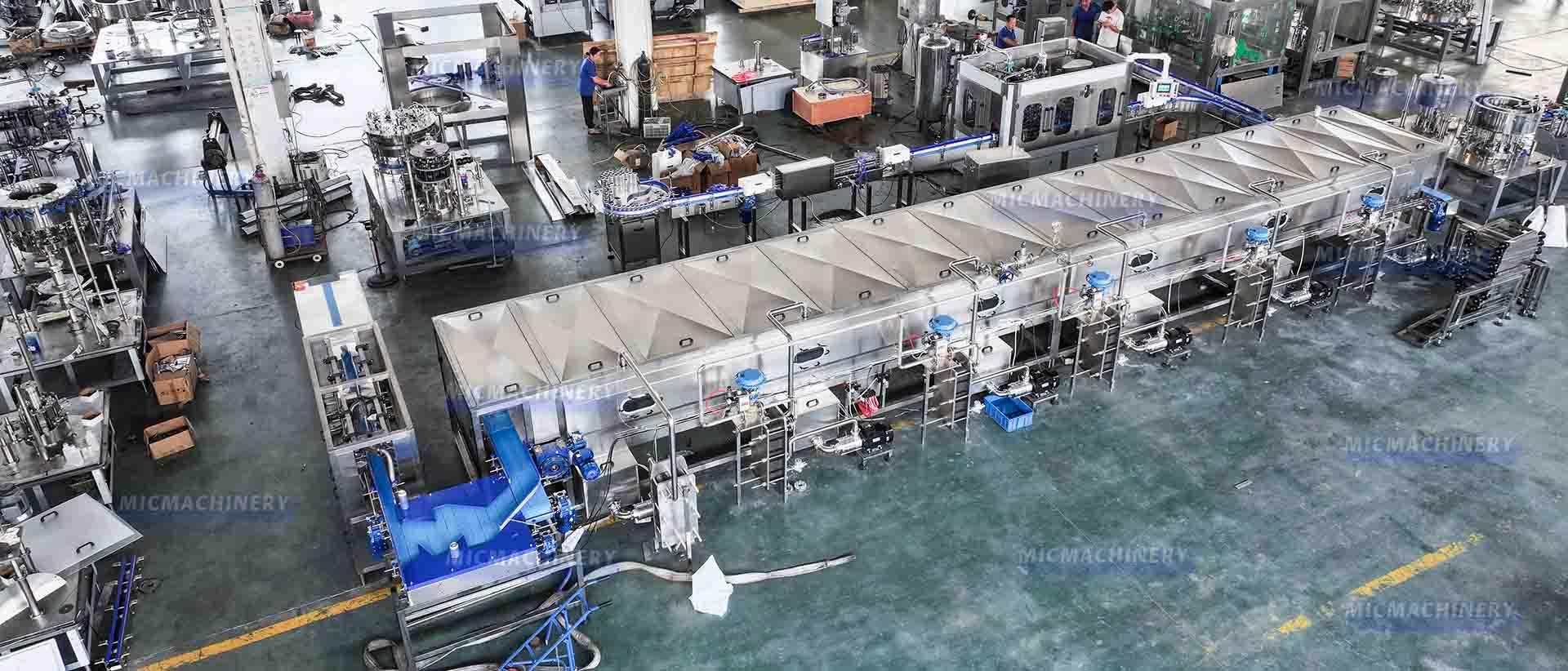 |
| Integrated Beer Canning Line
The project therefore follows the basic production logic:
Beer Filling → Can Sealing → Pasteurization → Drying → Subsequent Packaging
The configuration can be further connected with upstream and downstream equipment according to the brewery's existing production layout.
For customers planning a larger beverage project, the equipment can also be evaluated as part of a complete beer filling line solution rather than as an isolated filling machine.
|
On-site Installation & Production Effect
For an international beverage equipment project, installation and commissioning are important parts of project delivery.
The Germany project should document the equipment installation, production-line connection, engineer commissioning, and machine operation through authentic project materials.
Recommended visual content includes:
18-6 beer can filling machine installation
Sterilization machine installation
Can drying machine operation
Engineer commissioning
Beer filling operation
Finished beer cans
Complete production-line view
Customer Feedback
“The new filling line provides a more suitable production solution for our current beer packaging requirements. The 6000CPH configuration gives us improved production capacity, while the isobaric filling system is well matched to our canned beer application. The installation and commissioning process also helped our team become familiar with the new equipment.”
What Makes This Germany Beer Filling Project Relevant to Other Breweries?
The Germany project can serve as a useful reference for breweries facing similar production challenges.
A brewery considering a beer canning line supplier can use project cases to evaluate more than equipment specifications. Important factors include:
Production Capacity
A target of 6000CPH provides a reference point for breweries evaluating medium-scale canned beer production.
Filling Technology
The use of an 18-6 isobaric filling machine demonstrates the importance of matching filling technology to carbonated beer products.
Line Integration
The project combines sterilization, filling, and drying equipment rather than treating the filling machine as a standalone unit.
International Project Experience
For overseas buyers, a supplier's experience with international installation, commissioning, and technical support can be an important part of supplier evaluation.
This is why real beer canning line supplier real projects can provide more useful purchasing information than a product specification page alone.
Similar Project Cases
Customers researching this Germany project may also want to compare other beverage production projects by:
Beverage type
Production capacity
Filling technology
Bottle or can format
Customer country
Complete-line configuration
A dedicated case library can organize projects by country, beverage type, capacity, and equipment configuration, helping buyers compare real production applications before selecting a supplier.
For Mic Machinery, beverage equipment case studies can be developed around different production requirements, including beer filling, drink filling, water filling, juice filling, and complete bottling lines.
FAQ About the Germany 6000CPH Beer Filling Line
1.What is the capacity of the Germany beer filling line?
The project has a target production capacity of 6000 cans per hour (6000CPH).
2.What type of filling machine is used?
The core equipment is an 18-6 isobaric beer can filling machine, configured for canned beer production.
3.Why is isobaric filling used for beer?
Beer is a carbonated beverage. Isobaric filling uses controlled pressure conditions to support stable filling and help manage excessive foaming during the filling process.
4.What equipment is included in the project?
The supplied configuration includes a sterilization machine, can drying machine, and 18-6 isobaric beer can filling machine, with downstream integration determined by the customer's production requirements.
5.Is 6000CPH suitable for a growing brewery?
The appropriate capacity depends on daily production targets, working hours, product range, packaging format, and future expansion plans. A 6000CPH system can be considered for breweries requiring medium-scale canned beer production.
6.What should I consider when choosing a beer canning line supplier?
Evaluate filling technology, production capacity, equipment integration, factory layout, installation support, commissioning, spare parts, after-sales service, and verified project experience.
Conclusion
The Germany 6000CPH Beer Can Filling Line Project demonstrates how a beverage equipment project can be configured around specific production requirements rather than relying on a standard machine package.
For this project, the combination of an 18-6 isobaric beer canning filling machine, sterilization machine, and can drying machine was designed around the customer's requirements for higher capacity, improved production integration, and better hygiene management.
For breweries evaluating a new beer filling line, comparing real project configurations can help clarify the relationship between beverage type, can format, filling technology, production capacity, and complete-line requirements.
Get a Customized Beer Canning Line Proposal
Planning a 6000CPH beer filling line or upgrading an existing brewery production system?
Contact Mic Machinery to get a same-scale beer canning line quotation, customized equipment configuration, and project planning support. You can also schedule a video meeting to view factory equipment and discuss your production requirements with our technical team.