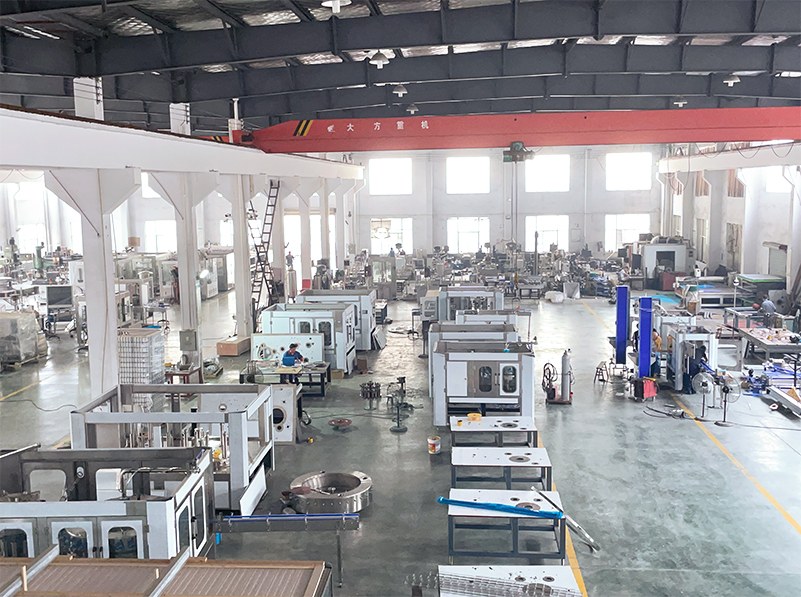
A factory acceptance test (FAT) gives a beverage producer a chance to check an ordered filling line before it leaves the supplier's factory. The useful result is a record of what ran, under which conditions, against which agreed requirements. This checklist covers machine operation, fill quantity, capacity, electrical functions, safety, container handling and documentation.
Agree on the test basis before the FAT
Start with the signed technical agreement and its latest approved revisions. The FAT protocol should identify the equipment present, product and package formats, utility conditions, test materials, measurement methods, acceptance limits, witnesses and shipment-release rule. PMMI's OpX guidance highlights the need for clear criteria and responsibilities between the equipment maker and buyer.
Bring representative bottles or preforms, caps, labels and other agreed materials. If the commercial beverage cannot be used, record the substitute and the functions it cannot demonstrate. A water run can show that containers move and valves operate, but it cannot establish the filling behavior of a carbonated or viscous beverage. Mark those product-specific checks for a later test with the actual drink.
Define the physical test boundary as well. A filler assembled with temporary conveyors does not prove the performance of a complete installed line. The MIC water filling line illustration is one example of how many machines and interfaces a line plan can contain; the FAT scope must refer to the equipment in the particular order.
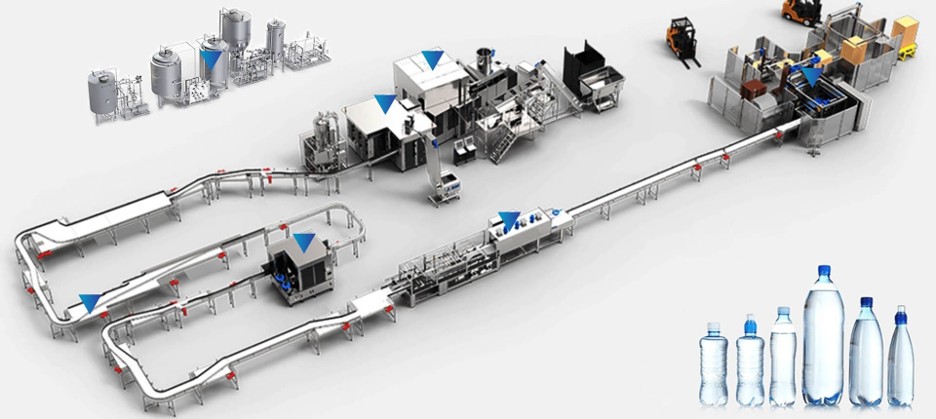
MIC website illustration of a water filling line and its connected equipment; shown as a layout example, not an FAT record.
The seven checks to witness
For each item below, record the requirement reference, test condition, actual observation or measurement, evidence file and result. Use “deferred” only when the parties have agreed how and when the item will be verified. A checked box alone is not an acceptance result.
1. Machine operation
Run the agreed operating modes and recipes with the specified container and closure. Observe a normal start, steady operation, normal stop and restart. Test the intended responses to missing bottles or caps, an upstream shortage, downstream blockage and relevant alarms. Record the alarm shown, machine response and steps needed to resume production.
If the purchase includes several formats, demonstrate the agreed change parts and at least the representative format changes named in the protocol. A running machine on one bottle size does not establish performance on every SKU. Capture the HMI or control record and identify the software revision used during the test.
2. Filling accuracy and package quality
State whether the acceptance target is net volume, net mass or a defined fill level. The method must match that target: tare and weigh sampled packages when using a gravimetric method, and document any density and temperature conversion used to report volume. For US net-content compliance, NIST Handbook 133 separates procedures for packages labeled by weight and volume. The destination market and contract determine the applicable legal and machine-performance criteria.
Agree the sampling frequency, number of containers, positions in the run and per-container limits before the test. Identify the filling valve or head when the machine allows it, so a recurring deviation can be traced. Report individual measurements as well as any calculated summary; an acceptable average can hide underfilled or overfilled packages. Observe drips, foaming, closure presence and visible leaks under the agreed product and package conditions.

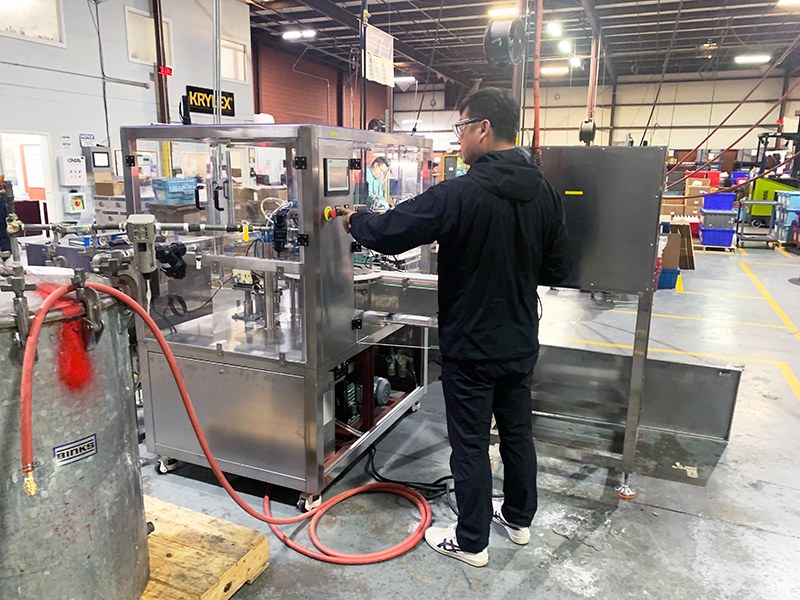
Water filling equipment pictured on the MIC website; fill performance requires measured test samples.
3. Capacity and sustained output
Specify the format, test duration, counting point and what counts as an accepted unit. Calculate accepted output from the number of conforming containers at that point divided by the agreed elapsed test time. Record total produced, rejects, stops and causes. This separates the filler cycle rate from usable output at the end of the tested scope.
The result depends on the materials and equipment available at the factory. If the labeler, packer or permanent conveyors are absent, record the filler-only result as such. Do not use it as proof of complete-line throughput. Compare the observed result with the signed requirement for that same test condition, not with a catalog headline for another bottle or product.
4. Electrical and control functions
Check the installed panel, component identification, cable labels and power requirements against the approved electrical drawings and equipment list. Have qualified personnel perform the electrical verification specified for the project and retain the results. Then witness agreed PLC/HMI functions, sensors, alarms, inter-machine signals and loss-and-restoration behavior.
IEC 60204-1 covers the electrical equipment of machines and includes topics such as protective bonding, control circuits, emergency stops and technical documentation. The applicable edition, destination requirements and test procedures belong in the project specification. A successful HMI demonstration by itself is not a declaration of compliance.
5. Safety devices and recovery
Walk the machine with its approved risk assessment. Verify that accessible moving parts have the specified guards and that each relevant guard interlock and emergency-stop device produces the designed response. Check that clearing a fault or resetting an emergency stop does not unexpectedly restart hazardous motion. Record each device tested and its observed response.
ISO 12100 sets out the risk-assessment and risk-reduction framework for machinery. The FAT should test the safeguards selected for this machine, including any safety functions that require separate validation. If a guard, interlock or stop response fails, record and resolve the deviation under the agreed release rule.
6. Bottle and container handling
Follow a container from the infeed through the tested outfeed. Look for scuffing, tipping, jams, unstable spacing and damage at guides, starwheels, transfers and conveyors. Observe both steady running and controlled starts and stops. For a line with several approved containers, test the specified range and document the change parts and adjustments used.
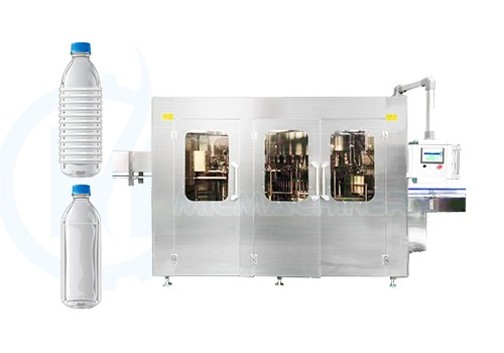
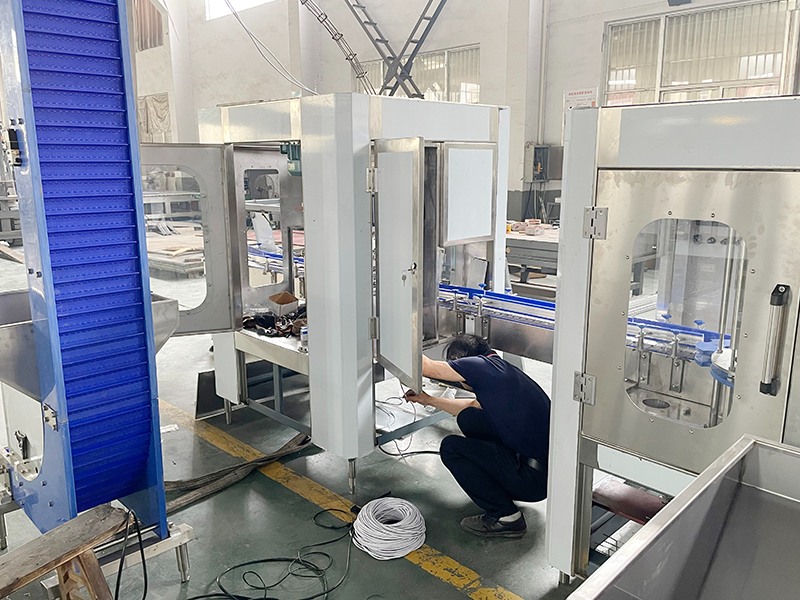
PET filling equipment shown on the MIC website; use actual approved containers for handling tests.
Container handling can change with bottle geometry, material and weight. A lightweight PET bottle, glass bottle and can cannot automatically share the same transfer setting. The MIC PET bottling line example shows a machine arrangement, while actual acceptance depends on the buyer's approved package samples and the tested configuration.
7. Documentation and supplied items
Reconcile the equipment and document package with the order before shipment. Check the approved layout, process and electrical drawings, operating and maintenance manuals, parts list, change parts, software backup and any agreed test or inspection certificates. Match spare parts and loose accessories to the packing list and equipment identification.
The FAT report should include raw measurements, run conditions, instrument identification, photos or video references, software revision, deviations and retest evidence. Give each open item an owner, due date and closure method. Distinguish items that must close before shipment from items explicitly accepted for completion at site.
Record a decision that the site team can use
A practical FAT record has one row per requirement: requirement → method and conditions → observed result → evidence → pass, fail or agreed deferral → owner and closure date. Keep failed results in the record after a correction, and add the retest beside them. This gives the installation team the history behind the final disposition.
A factory test cannot reproduce every site condition. Permanent utilities, installed conveyors, plant operators, actual beverage, cleaning integration and complete-line performance may need site acceptance testing (SAT). List those items in the FAT report with their site test method and responsibility. Shipment release should follow the approval rule in the purchase agreement, with critical deviations resolved or formally dispositioned by the authorized parties.
FAQ
What is the difference between FAT and SAT for a filling line?
FAT checks the agreed machine or assembled scope at the supplier's factory before shipment. SAT checks the installed equipment under site utilities, materials and line connections. The FAT report should identify which requirements remain for SAT.
Can a filling line FAT be done remotely?
Yes, when both parties agree on the protocol, camera views, live measurements, document access and witness roles. The signed evidence package still needs actual test conditions and results. A general machine video does not replace those records. PMMI's FAT guidance announcement explicitly discusses both in-person and virtual FAT.
Is water a valid substitute for the real beverage?
It can support selected mechanical and control checks when the protocol allows it. Record that substitution. The actual product may behave differently during filling, foaming, cleaning or sealing, so those requirements need an agreed test with representative product.
How should a failed FAT item be handled?
Record the original result, requirement, evidence and effect on shipment release. Assign corrective action and retest the affected function under documented conditions. Buyer and supplier representatives then sign the disposition according to the purchase agreement.
Final thoughts
A useful FAT shows how the supplied equipment performs against the agreed order, with enough evidence for a clear shipment decision and a focused SAT plan. When discussing a MIC beverage filling line, bring the product, package drawings, target accepted output and draft acceptance criteria to the technical review.