A juice filling line should be selected around the preservation process. Hot filling, conventional cold filling, and aseptic filling place different demands on the beverage, package, hygienic zone, utilities, and operating team. Start with the formula and intended shelf life, then verify the selected route with product, package, and process evidence.
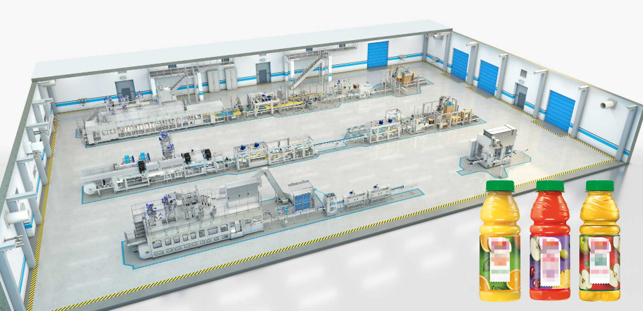
Figure 1. A complete juice project connects product preparation, filling, container handling and final packaging. Source: MIC juice filling machine.
Start with the product and market conditions
The first process brief should describe the finished product in technical terms. Record the expected pH range, Brix, pulp size and concentration, viscosity over the processing temperature range, permitted preservatives, and ingredients that can settle, foam, foul a heat exchanger, or complicate cleaning. Include the target shelf life, storage temperature, sales market, and distribution conditions.
Acidity is important because it changes the microbiological risk and the scheduled process, but pH is not a machine selector by itself. In the United States, 21 CFR 120.24 generally requires juice processors to apply controls that achieve at least a 5-log reduction in the pertinent microorganism for the shelf life of the product, subject to the regulation's stated exemptions. The applicable process still has to be developed for the actual formula, package, facility, and market.
Pulp, suspended solids, and higher viscosity can change pumping, heat transfer, residence-time distribution, filling-valve selection, agitation, and cleaning. Tetra Pak's technical material on juice packer process lines notes that fruit juices differ in viscosity and often contain particles, and that downstream hygiene must prevent recontamination after pasteurization. These conditions should be included in trials before the line design is frozen.
What hot filling conventional cold filling and aseptic filling control
Define "cold fill" in every quotation. It may mean conventional non-aseptic filling after pasteurization and cooling, or "aseptic cold fill" with a commercially sterile product, sterilized package, and sterile zone. The equipment and validation duties differ.
Hot filling
In a hot-fill process, the beverage is pasteurized and enters the filler at a validated elevated temperature. The hot product contacts the internal package surfaces and closure area for a defined period before the sealed pack is cooled. Product treatment, package geometry, closure handling, hold time, and cooling therefore form one process.
Hot fill commonly uses fewer sterile-zone controls than aseptic filling, but it still requires a validated thermal process and hygienic equipment. Tetra Pak's description of juice hot filling explains that the hot product controls microorganisms on the non-aseptic package surface under defined conditions.
Conventional cold filling
Conventional cold fill places a pasteurized or otherwise controlled beverage into the package at a lower temperature without maintaining a fully aseptic packaging system. Safety and shelf life may depend on an upstream treatment, hygienic downstream design, formulation controls, permitted preservatives, refrigeration, or several of these measures.
Cold filling still requires a preservation strategy. For chilled juice, the pasteurizer, filler, package, and cold chain must work as one system. The Orange Book processing guidance states that chilled juice can use non-aseptic filling because microbial growth is slower under refrigeration, while the pasteurization step must still control spoilage over the intended shelf life.
Aseptic filling
Aseptic processing treats the product, downstream product path, package, closure, and filling environment as one validated sterile system. The product is commercially sterilized and cooled, the package is sterilized separately, and filling and hermetic sealing take place under controlled aseptic conditions. 21 CFR 113.3 defines aseptic processing and packaging in these terms for the regulation's scope.
This route adds pre-sterilization, sterile barriers, package treatment, sterile air or gas management, critical-factor monitoring, and documented deviation response. The FDA inspection guide for aseptic systems treats commercial sterility of the product, downstream equipment, packaging equipment, and packaging material as connected requirements.
|
Decision factor
|
Hot fill
|
Conventional cold fill
|
Aseptic fill
|
|
Product at filler
|
Pasteurized and filled hot under a validated process
|
Pasteurized or otherwise controlled, then filled at a lower temperature
|
Commercially sterilized, cooled, and protected from recontamination
|
|
Package before filling
|
Hygienic but not necessarily sterile
|
Hygienic, with controls matched to the preservation route
|
Sterilized through a validated package-treatment system
|
|
Distribution basis
|
Often ambient when the product and package process are validated
|
Commonly refrigerated or supported by formulation controls
|
Often ambient after a validated aseptic process
|
|
Package requirement
|
Must tolerate fill and cooling conditions
|
Must suit the fill temperature and cold-chain conditions
|
Must tolerate the selected sterilization method and sterile handling
|
|
Main downstream need
|
Defined hold and controlled cooling
|
Product cooling, hygienic filling, and cold-chain control where required
|
Sterile transfer, sterile zone control, and deviation response
|
|
Operating burden
|
Thermal-process and cooling control
|
Hygiene plus preservation and distribution control
|
Integrated sterility control, monitoring, and operator discipline
|
Match the filling process to PET glass cans and cartons
The package is part of the preservation system. Check its material, geometry, closure, treatment method, and barrier requirements for the proposed route.
Hot-filled PET bottles need a design and material condition that tolerate the approved fill and cooling cycle. Tetra Pak's orange juice packaging guidance describes increased bottle heat resistance and vacuum-management features for hot-fill PET. Conventional cold filling can use lighter designs when package and distribution tests support them. Aseptic PET adds compatibility with bottle or preform sterilization, sterile transfer, and cap treatment.
Glass requires control of thermal shock during filling and cooling. Cans need a compatible filling and seaming route plus a defined preservation process. Cartons are tied to their forming, sterilization, filling, and sealing platform, so assess them as a complete packaging system.
The MIC juice filling line page presents PET, glass, and aluminum package options. Final configuration still requires an approved product and package matrix, with every preservation mode confirmed separately.
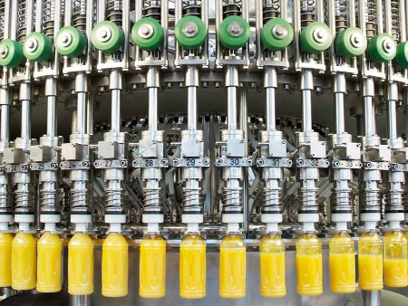
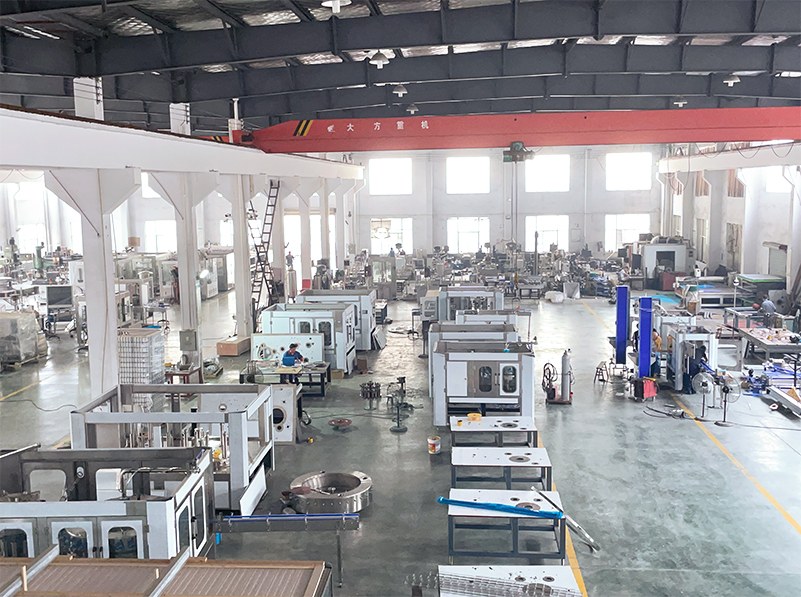
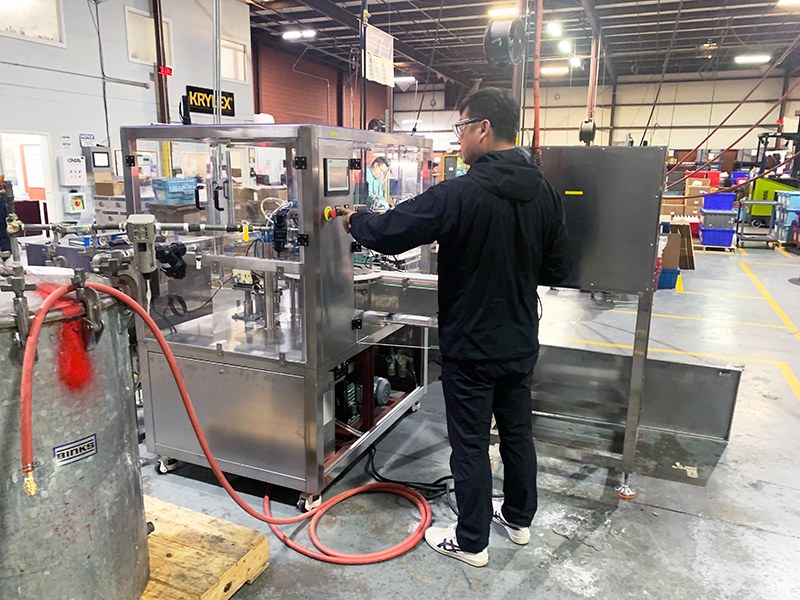
Figure 2. Filling valves, bottle handling and closure control must match the approved product and package. Source: MIC juice filling machine.
Compare sterilization hygienic zoning and environmental control
Each route places the microbiological boundary in a different location. Hot fill relies on a validated product treatment followed by controlled filling, closure contact, holding, and cooling. Conventional cold fill relies on the upstream preservation step and a hygienic path that prevents recontamination before sealing. Aseptic fill extends the sterile boundary through the product path, package-treatment system, filler, and closure zone.
The factory layout should show these boundaries. Map product flow, personnel access, packaging-material entry, waste removal, maintenance access, drainage, air movement, and cleaning routes. Aseptic zones normally need stronger segregation, sterile air or gas where specified, controlled pressure relationships, and procedures for interventions that break the sterile boundary.
Process deviations also have different consequences. A hot-fill deviation may require product diversion, reprocessing decisions, and confirmation of fill and cooling records. A conventional cold-fill deviation may affect the pasteurization record, hygiene status, or cold-chain release. In an aseptic system, loss of a critical sterility condition can require product segregation and re-sterilization of the affected system before production resumes. The proposal should state how the line detects, records, and responds to each class of deviation.
Review container heat resistance and downstream cooling
Cooling is part of the hot-fill process. The system must reach the validated endpoint without damaging the container, closure, label area, or product. Its design should use the approved package limits and process conditions.
Cold and aseptic routes move more of the cooling duty upstream. The heat exchanger, chilled-water system, and any aseptic product cooler must support the target flow under the actual product conditions. Low fill temperatures can also create condensation on packages and conveyors, which affects coding, label adhesion, inspection, and secondary packaging.
Ask suppliers to state where cooling occurs, the sizing basis, utility loads, control points, and response to a filler stop. Exact temperatures and hold times belong in the validated process.
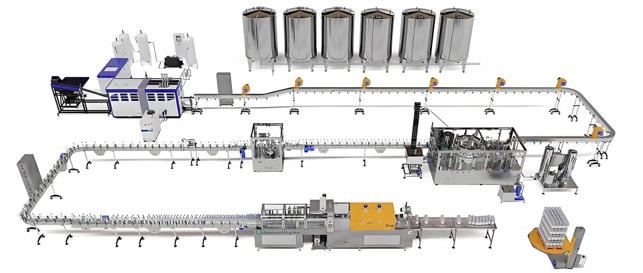
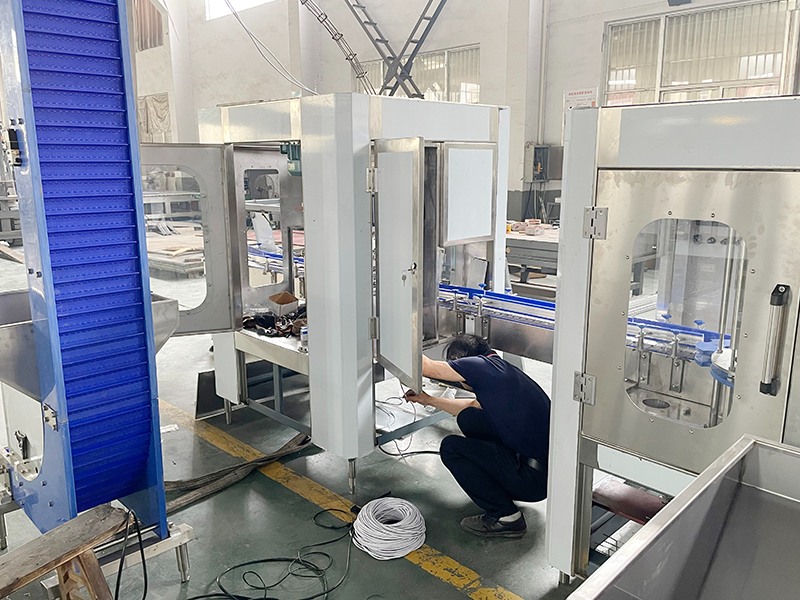
Figure 3. Filling route, cooling duty, conveyors and packaging equipment must be balanced as one line. Source: MIC juice filling line.
Compare equipment complexity and operator capability
Compare the full installed system, validation work, utilities, cleaning time, package cost, operator training, maintenance skills, microbiological support, and distribution cost.
Equipment scope follows the selected hygienic boundary. Hot fill concentrates on temperature control, closure contact, package holding, and downstream cooling. Conventional cold fill shifts cooling upstream and may require refrigerated storage and transport. Aseptic fill adds product and package sterilization, sterile transfer, sterile utilities, aseptic-zone controls, and a larger monitoring program.
Operator capability should be evaluated before the purchase order. The team must be able to run cleaning and sterilization cycles, verify critical instruments, manage recipe and package changes, recognize deviations, protect hygienic boundaries, and keep usable records. Maintenance procedures also need to preserve the sanitary or sterile status of the equipment after intervention.
Request the same scope from every bidder: process flow and preservation basis; product and package limits; hygienic zones and sterile boundaries; CIP, SIP, and package-treatment duties; utility loads and filler-stop response; instruments and deviation procedures; and the proposed trials, validation support, FAT, and site acceptance work.
Require product trials and microbiological evidence
Equipment acceptance and product release answer different questions. A factory acceptance test can confirm mechanical functions, controls, container handling, and an agreed output test. It cannot establish the commercial shelf life of every formula and package.
Build the validation plan with the responsible food-safety and process authorities. Depending on the product, package, market, and regulation, it may cover hazard analysis, thermal-process development, challenge studies, package and closure tests, cleaning validation, environmental monitoring, shelf-life studies, and distribution testing.
Before trials, freeze the allowable formulation range and identify the worst cases. Select trial formulas and packages that represent the limiting pH, pulp, heating, and cooling conditions. Trials should also cover start-up, normal running, planned stops, restarts, and the approved response to a critical deviation.
Turn product data into a defensible juice filling line decision
Use a staged decision process:
- Define whether the product will be sold refrigerated or at ambient temperature, and for how long.
- Have the formula, hazards, and preservation route reviewed for the destination market.
- Screen the package and closure against filling temperature, sterilization method, barrier needs, and distribution stress.
- Compare the required product treatment, hygienic boundary, cooling duty, and utility load for each viable route.
- Confirm that the plant can operate, monitor, clean, maintain, and validate the proposed system.
- Run product and package trials, then issue one approved design basis to shortlisted suppliers.
Using one approved design basis makes quotations easier to compare because each bidder receives the same product limits, package specifications, net output target, validation boundary, and responsibility matrix.
Final thoughts
For an initial review, send MIC the product and package brief through the MIC juice filling line page. Confirm the final process and validation plan with the responsible technical and food-safety specialists.
Frequently asked questions
Can a standard PET bottle be used for hot filled juice
Use a bottle design approved for the fill temperature, cooling cycle, closure, and downstream handling. Many hot-fill applications use heat-set PET or vacuum-management features. Package trials should verify shape retention and seal integrity.
Does a high acid juice automatically qualify for hot fill
High acidity changes the microbiological risk, but one pH result does not approve a process. The process authority must evaluate the formula range, relevant microorganisms, thermal treatment, package, cooling profile, shelf-life target, and market requirements.
Can one juice filling line run hot fill cold fill and aseptic fill
Confirm every supported filling mode separately. The routes differ in product treatment, package sterilization, sterile boundaries, cooling, utilities, instrumentation, and validation. A supplier should identify the changeover procedure, shared equipment, dedicated equipment, and limits for every product and package.
What should be included in a juice filling line RFQ
Provide the formula range, pH and Brix, pulp and viscosity data, permitted preservatives, target shelf life, storage temperature, package drawings, closure details, SKU mix, saleable output, utilities, factory layout, cleaning requirements, destination market, and required validation support. Ask for a process flow, responsibility matrix, utility schedule, trial plan, and list of deviations.