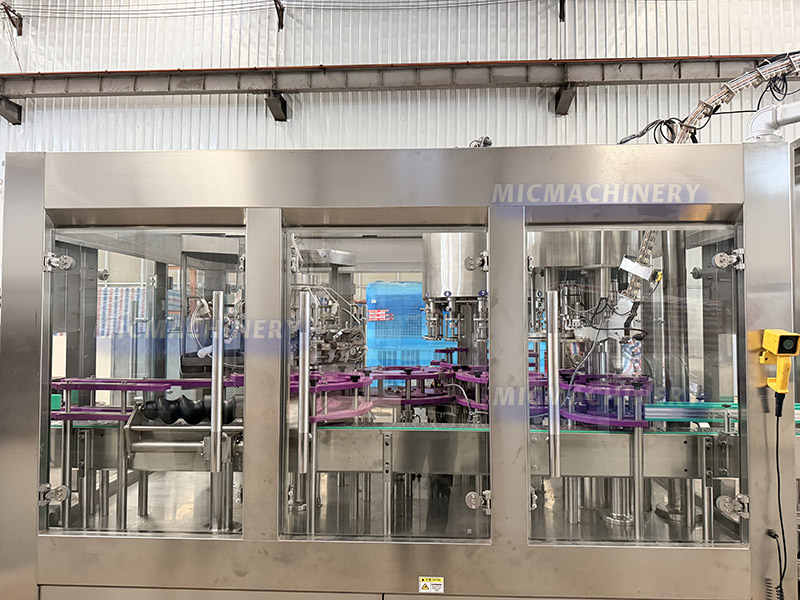
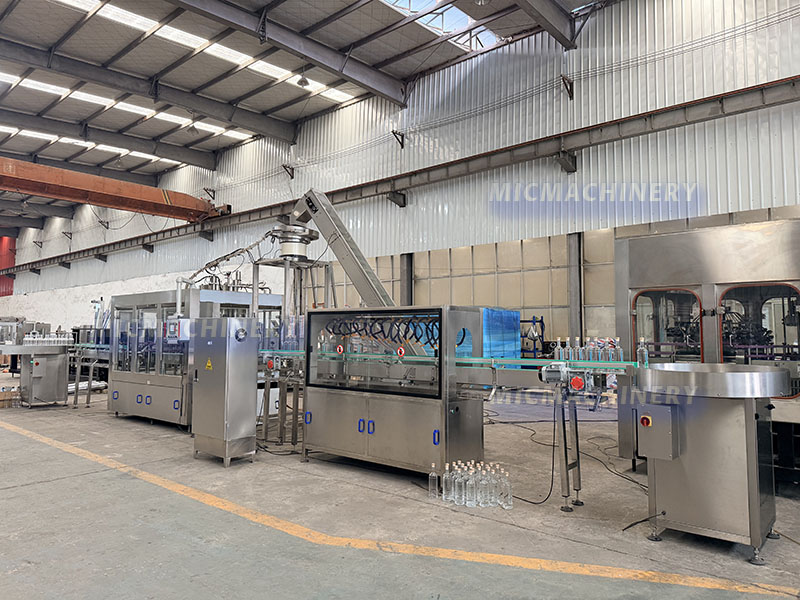
How to Choose a Glass Bottle Washing, Filling and Corking Machine?
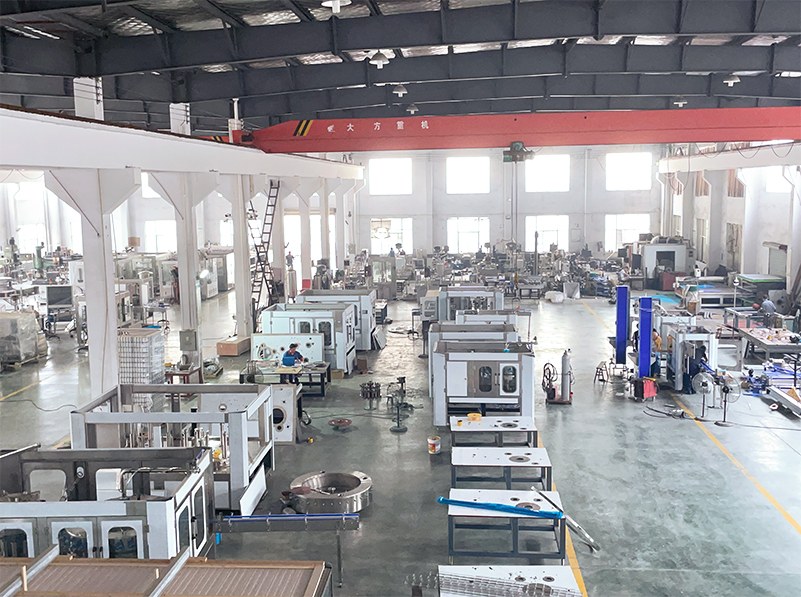
A glass bottle washing, filling and corking machine combines several key bottle-processing operations into one coordinated production section. For beverage manufacturers, choosing the right machine requires more than comparing BPH figures. The beverage type, bottle size, closure, filling method, production target, automation level, factory layout, and downstream packaging process all affect the final configuration. Mic Machinery's current glass bottle filling range covers different capacities and applications, including a 1000–2000BPH non-carbonated configuration based on the MIC 14-12-5 model.
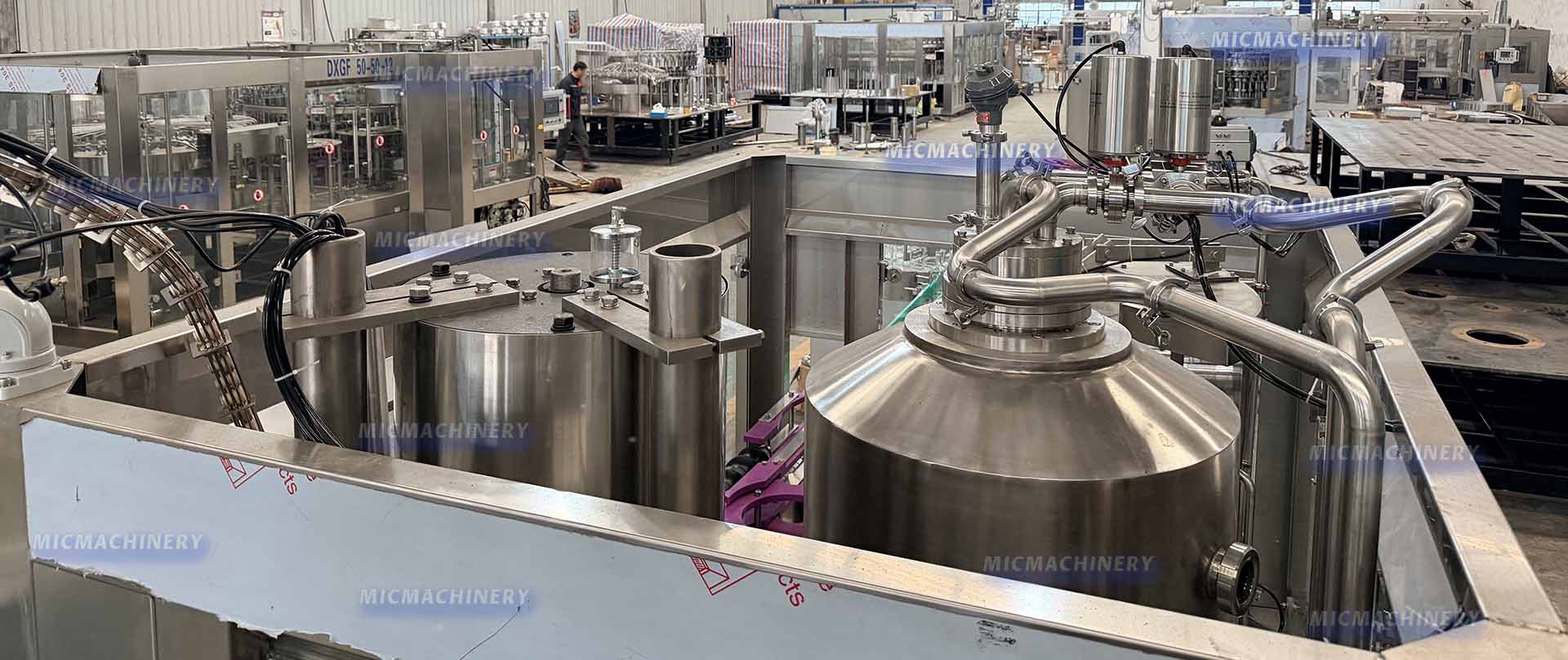
What Is a Glass Bottle Washing, Filling and Corking Machine?
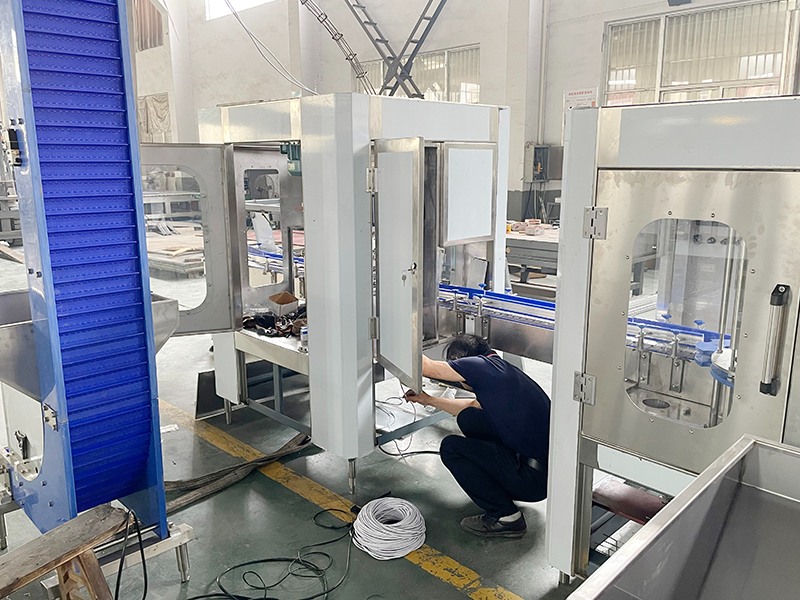
A glass bottle washing, filling and corking machine integrates bottle preparation, liquid filling, and closure operations into a coordinated production process. Instead of transferring bottles between several independent machines, the integrated system can reduce unnecessary handling and provide a more continuous bottle flow.
The exact structure depends on the product and closure. A machine for non-carbonated juice, herbal tea, or other still beverages may use a different filling principle from equipment designed for carbonated drinks. Similarly, a bottle using a wooden cork requires a different closing arrangement from a screw-cap or crown-cap application.
Mic Machinery's product range identifies the MIC 14-12-5 as a 1000–2000BPH non-carbonated glass bottle filling machine, with applications including juice, cold coffee, herbal tea, and non-carbonated drinks. The published product range also shows separate models for carbonated glass bottle applications.
This distinction is important when buyers search for a drink filling machine or drink bottling machine. The same nominal production speed does not mean two machines are interchangeable.
How Does a Glass Bottle Washing, Filling and Corking Machine Work?
The basic working sequence can be understood as:
Bottle Feeding → Bottle Washing → Bottle Positioning → Liquid Filling → Corking/Closing → Bottle Transfer → Drying → Labeling → Coding → Packaging
The actual sequence can be expanded according to the complete production line.
1. Bottle Feeding and Positioning
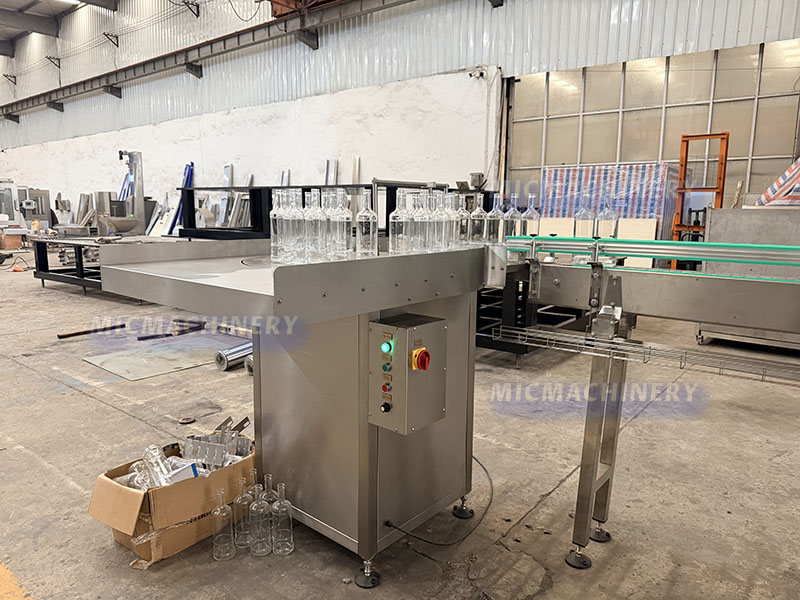
Empty glass bottles enter the production section through the bottle conveyor or an upstream depalletizing system. Stable bottle movement is particularly important because glass containers can be damaged by excessive impact or unstable transfers.
For larger automated projects, a Glass Bottle Depalletizer can automatically transfer bottles from pallet layers to the production conveyor, reducing manual handling before washing and filling. The depalletizer configuration should be matched to bottle dimensions, pallet format, production capacity, and factory layout.
2. Bottle Washing
The washing section prepares the bottles before filling. The required washing method depends on the bottle condition, product requirements, hygiene process, and whether the containers are new or reusable.
The objective is not simply to move water through the bottle. The complete process should provide stable bottle handling while preparing the container for the filling operation.
3. Liquid Filling
After washing, bottles enter the filling section at a controlled speed. The filling system delivers the beverage into each bottle according to the specified volume.
Filling technology should be selected according to the beverage. Mic Machinery's published specifications distinguish between carbonated and non-carbonated glass bottle filling systems. For non-carbonated applications, the listed MIC 14-12-5 configuration covers 1000–2000BPH.
This is why a buyer should provide beverage information before requesting a quotation rather than selecting a machine only from its production speed.
4. Corking or Closing
After filling, the bottle is closed using the specified closure system. In a cork application, the bottle must remain correctly positioned while the corking operation is completed.
This becomes especially important for alcoholic beverages using wooden corks. The bottle neck, cork dimensions, bottle shape, filling volume, and downstream capsule treatment all need to be considered during project engineering.
5. Bottle Transfer and Drying
After washing or other wet processing, water can remain on the external bottle surface. An Air Knife Dryer can remove surface moisture before labeling and coding.
Drying is particularly relevant when adhesive labels are used because excessive moisture can affect label adhesion and the appearance of the finished bottle. The drying capacity should be coordinated with bottle diameter, bottle shape, conveyor speed, and downstream labeling requirements.
How to Choose the Right Glass Bottle Filling Machine?
The correct selection should begin with the production process rather than the machine model.
1. Confirm the Beverage Type
First define whether the product is:
Different products can require different filling principles, cleaning procedures, thermal processes, and closure systems.
2. Confirm Bottle Specifications
The machine should be evaluated using actual bottle information, including:
-
Bottle material
-
Bottle volume
-
Bottle height
-
Bottle diameter
-
Bottle neck dimensions
-
Bottle shape
-
Empty bottle weight
-
Closure type
For glass containers, bottle transfer is also an engineering consideration. Unnecessary impacts between bottles or poorly designed conveyor transitions can increase the risk of breakage. The El Salvador project specifically emphasized smooth bottle transfer through washing, filling, corking, drying, and capsule shrinking.
3. Select the Production Capacity
Production capacity should be based on actual demand and operating plans.
For example:
| Target Capacity |
Typical Project Consideration |
| 600–1000BPH |
Small-scale or lower-output production |
| 1000–1500BPH |
Small to medium beverage factories |
| 1000–2000BPH |
Integrated glass bottle projects requiring higher automation |
| 2000BPH+ |
Larger production requirements and more extensive line balancing |
The published MIC specifications show the MIC 18-18-1 carbonated glass bottle machine at 1000–1500BPH and the MIC 14-12-5 non-carbonated configuration at 1000–2000BPH.
Capacity should therefore be considered together with beverage type and container format.
Glass Bottle Filling Machine Technical Specifications
Carbonated Glass Bottle Filling Machine:
|
Model
|
MIC12-12-1
|
MIC18-18-1
|
MIC18-18-6
|
MIC24-24-6
|
MIC24-24-8
|
MIC32-32-8
|
MIC Semi Automatic
|
|
Application
|
Beer, Carbonated Beverage, Gas Drinks, Sparking Water And So On
|
|
Packing Type
|
Aluminum Bottle, Metal Bottle, Tin Bottle, PET Bottle, etc
|
|
Speed
|
300-1500BPH
|
1000-2500BPH
|
2000-4000BPH
|
4000BPH
|
2000-6000BPH
|
4800-7500BPH
|
200-800BPH
|
|
Filling Arrange
|
180ml, 250ml, 330ml, 355ml, 440ml, 500ml, 8oz, 12oz, 16oz, 1L and so on (0.1-1L)
|
|
Power
|
|
|
2.2KW
|
1.5KW
|
1.5KW
|
5.0KW
|
0.3KW
|
|
Size
|
|
|
2.5*1.9*2.3 (M)
|
2.2*1.8*2.55 (M)
|
2.5*1.4*2.5 (M)
|
3.4*2.5*2.3 (M)
|
2.0*0.7*2.0 (M)
|
|
Weight
|
|
|
3500KG
|
3500KG
|
4500KG
|
10000KG
|
150KG
|
Non-carbonated Glass Bottle Filling Machine:
|
Model
|
MIC 12-1
|
MIC 8-8-3
|
MIC 14-12-5
|
MIC 18-18-6
|
MIC 18-18-6
|
MIC 24-18-6
|
MIC Linear
|
|
Application
|
Juice, Cold Coffee, Herbal Tea, Non-carbonated Drinks And So On
|
|
Packing Type
|
Aluminum Bottle, Metal Bottle, Tin Bottle, PET Bottle, etc
|
|
Speed
|
500-2000BPH
|
2000-2500BPH
|
3000-5000BPH
|
8000-15000BPH
|
8000-10000BPH
|
10000-13000BPH
|
1800BPH
|
|
Filling Arrange
|
180ml, 250ml, 330ml, 355ml, 440ml, 500ml, 8oz, 12oz, 16oz, 1L and so on (0.1-1L)
|
What Equipment Is Needed After the Filling Machine?
A filling machine is only the core of a complete bottling line. Depending on the product, a 1000–2000BPH project can include:
Glass Bottle Depalletizing → Washing, Filling & Corking → Optional Pasteurization/Warm Irrigation → Air Knife Drying → Labeling → Shrink Sleeve or Capsule Treatment → Coding → Wrap/Carton Packing → Palletizing → Pallet Wrapping
The complete 1000–2000BPH Glass Bottle Filling Line Solution developed by Mic Machinery follows this project-oriented approach. It is designed for new beverage factories, factory expansion, automation upgrades, and selected wine or alcoholic beverage applications.
The solution page also explains why not every machine is mandatory for every project. For example, pasteurization is process-dependent, while warm irrigation is an optional module determined by the beverage and packaging process.
How Should a Glass Bottle Filling Line Be Configured for a 2000BPH Project?
A 2000BPH line should be evaluated as a complete production system rather than as a 2000BPH filling machine alone.
The bottle supply, filling, corking, conveyor accumulation, drying, labeling, coding, packaging, and palletizing sections all need to handle the required production flow.
A real example is Mic Machinery's El Salvador 2000BPH Vodka Glass Bottle Filling Line. The project uses glass bottles with wooden corks, with the 14-12-5 machine serving as the core washing, filling, and corking equipment. The downstream process includes bottle drying and capsule heat shrinking, with labeling, coding, secondary packaging, palletizing, and pallet wrapping integrated according to the project requirements.
The project demonstrates an important selection principle: the bottle, closure, beverage, and production target should be defined before the machine model is finalized.
For example, a machine designed around aluminum cans and seaming cannot simply be substituted for a glass bottle washing, filling and corking machine because the nominal production speed is similar. Container format and closure technology fundamentally affect machine design.
What Maintenance Does a Glass Bottle Filling Machine Need?
Regular maintenance is essential for maintaining stable filling performance and reducing unexpected downtime.
A practical drink bottling machine maintenance program should include routine inspection of bottle-contact components, filling components, valves, sensors, conveyors, transmission parts, lubrication points, and electrical controls according to the manufacturer's maintenance schedule.
Operators should also monitor:
-
Unstable bottle feeding
-
Abnormal filling levels
-
Product leakage
-
Corking or closing problems
-
Water accumulation around the machine
-
Conveyor vibration
-
Unusual noise
-
Sensor faults
-
Labeling problems
-
Abnormal stopping or alarms
Maintenance should not only be performed after a failure. Cleaning, inspection, adjustment, and replacement of wear parts should be incorporated into normal production management.
For overseas projects, spare-parts planning is particularly useful. Mic Machinery states that its project support can include spare-parts supply, installation support, overseas technical service, and turnkey project support.
Factory Layout Considerations for a Glass Bottle Bottling Line
Factory layout has a direct influence on production efficiency and maintenance accessibility.
Before purchasing equipment, buyers should prepare:
Glass bottles require particular attention to conveyor transitions and transfer points. The El Salvador project documentation identifies building dimensions, conveyor direction, bottle flow, maintenance clearance, electrical connections, compressed air, water supply, drainage, and packaging storage as important layout considerations.
This information allows the supplier to develop a production layout before equipment manufacturing and installation.
Case Study: El Salvador 2000BPH Vodka Glass Bottle Filling Line
A practical reference for this type of machine is the El Salvador vodka project.
The customer required approximately 2000 bottles per hour for vodka packaged in glass bottles with wooden corks. The main production requirements included stable bottle handling, integrated washing and filling, reliable corking, bottle drying, and capsule heat shrinking.
The core machine was the 14-12-5 Bottle Washing, Filling and Corking Machine. The project process was organized around:
Glass Bottle Handling → Bottle Washing → Vodka Filling → Wooden Corking → Bottle Drying → Capsule Heat Shrinking → Labeling → Coding → Secondary Packaging → Palletizing → Pallet Wrapping.
For customers considering a similar application, the complete project can be reviewed in the El Salvador 2000BPH Vodka Glass Bottle Filling Line Project Case.
This case also provides a useful bridge from the product-level question of how to choose a glass bottle filling machine to the larger question of how to configure an entire beverage bottling line.
When Should You Choose a Complete Bottling Solution?
A complete solution is particularly useful when the customer is:
-
Building a new beverage factory
-
Expanding an existing production facility
-
Replacing manual bottle handling
-
Automating a semi-automatic bottling process
-
Introducing a new bottle format
-
Adding downstream packaging automation
-
Planning an overseas beverage project
Instead of purchasing the filling machine first and solving the conveyor, labeling, drying, and packaging problems afterward, a project-based approach allows the complete production flow to be evaluated in advance.
For customers planning a 1000–2000BPH glass bottle project, the 1000–2000BPH Glass Bottle Filling Line Solution provides a useful reference for understanding how the core filling section connects with bottle handling, drying, labeling, packaging, palletizing, and other supporting equipment.
FAQ: Glass Bottle Washing, Filling and Corking Machine
What is a glass bottle washing, filling and corking machine?
It is an integrated machine that coordinates bottle washing, liquid filling, and corking or closing operations for suitable glass bottle applications. The exact configuration depends on the beverage, bottle, closure, and required capacity.
What capacity is suitable for a small beverage factory?
A 1000–2000BPH configuration can be suitable for small to medium beverage factories, regional brands, and selected new production projects. The correct capacity should be calculated from expected demand and working hours rather than selected only from available machine models.
Can the machine fill vodka into glass bottles?
Yes, a suitable configuration can be developed for vodka and other compatible alcoholic beverages. The closure system, bottle neck, filling process, and downstream capsule treatment must be evaluated for the specific product and bottle.
Does every glass bottle filling line need pasteurization?
No. Pasteurization is process-dependent. Whether it is required depends on the beverage formulation and validated production process.
How can I reduce glass bottle breakage?
Stable bottle positioning, suitable conveyor transitions, controlled bottle transfer, and appropriate machine layout are important. Excessive impact between bottles or at transfer points should be avoided.
What information should I provide when requesting a quotation?
Provide the beverage type, bottle drawings or samples, bottle volume and dimensions, closure type, required BPH, labeling method, secondary packaging format, factory dimensions, and destination country.
How often should a glass bottle filling machine be maintained?
Maintenance frequency should follow the manufacturer's recommended schedule and actual operating conditions. Routine cleaning, inspection, lubrication, adjustment, and wear-part replacement should be incorporated into production management.
Conclusion: How to Select the Right Machine
Choosing a glass bottle washing, filling and corking machine should begin with the product, bottle, closure, capacity, and complete production process rather than with price or nominal BPH alone.
For a 1000–2000BPH project, an integrated washing, filling and corking machine can form the core of a complete glass bottle bottling line. The final system may then be expanded with depalletizing, drying, labeling, capsule shrinking, coding, packing, palletizing, and other equipment according to the actual production requirements.
The El Salvador 2000BPH vodka project shows how these factors can be combined into a real overseas production application, while the 1000–2000BPH solution provides a broader framework for new factories, expansion projects, and automation upgrades.
If you are planning a new glass bottle beverage project or replacing an existing bottling system, contact Mic Machinery for a customized filling solution and machine selection recommendation based on your beverage, bottle, closure, capacity, and factory conditions.