When a beverage and its process are qualified for both materials, either a PET bottling line or a glass bottling line can package it. The line architectures still differ. PET projects may start with preforms and transfer empty bottles by the neck; glass projects receive finished bottles and support their greater mass through depalletizing, conveying, filling, and packing. Returnable glass also adds crate handling, bottle washing, empty-bottle inspection, and a defined broken-glass response.
The beverage still decides the product treatment and filling principle. The package decides how containers enter the plant, how the line supports them, which closer is needed, what changes during a format conversion, and where damage must be controlled.

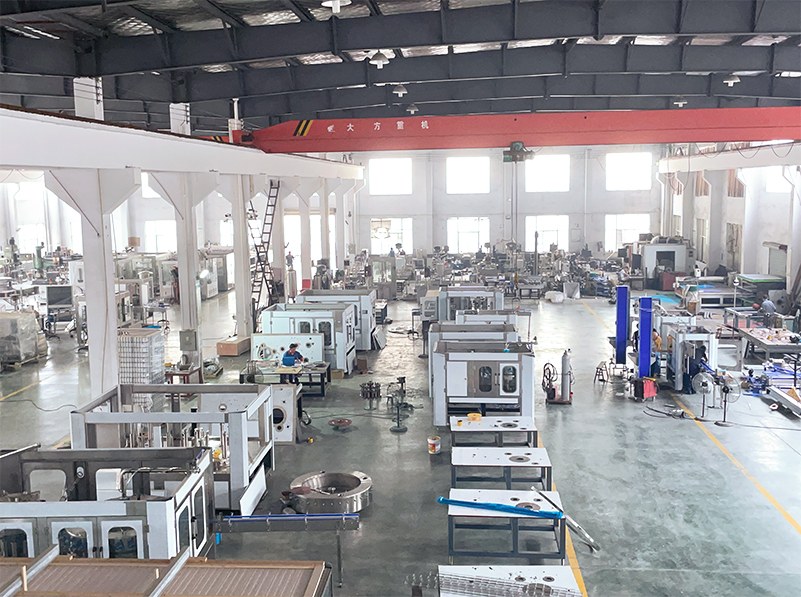
Figure 1. A PET bottling line may connect bottle making or supply, filling, labeling, packing, and pallet handling. Image source: MIC PET Bottling Line.
Quick line comparison
|
Line area
|
PET bottle filling line
|
Glass bottle filling line
|
|
Empty-container supply
|
Purchased empty bottles or preforms with stretch blow molding
|
New one-way bottles or returnable bottles received on pallets or in crates
|
|
Empty-container conveying
|
Neck-guided air conveyor, neck grippers, or base/body conveyor depending on design
|
Base-supported chain or belt conveyor with guides and pressure control
|
|
Container behavior
|
Light, flexible, sensitive to heat, vacuum, pressure, top load, and scuffing according to bottle design
|
Rigid and heavy, with impact, chipping, thermal-shock, and breakage risks
|
|
Preparation before filling
|
Inspection and rinsing or decontamination as required by the process
|
Depalletizing or unpacking; returnables normally add washing and empty-bottle inspection
|
|
Filler interface
|
Neck or base support, with contact or non-contact valves selected for the process
|
Base lift or other body support is common; the bottle must meet the valve and process requirements
|
|
Closing
|
Commonly plastic screw caps or sports closures, with approved neck-finish and torque control
|
Screw cap, crown, cork, or another closure with dedicated feeding and application equipment
|
|
Format change
|
Blow molds if bottles are made on site, plus guides, grippers, starwheels, labeler, packer, and recipes as applicable
|
Guides, screws, starwheels, platforms or lifts, closer parts, labeler, packer, crate system, and recipes as applicable
|
|
Main physical hazard
|
Deformation, collapse, scuffing, unstable empty bottles, neck damage, and stress from heat or pressure
|
Broken or chipped glass, impact jams, unstable bottle populations, and thermal shock
|
|
Efficiency losses
|
Blow-molder/filler imbalance, air-conveyor instability, bottle jams, scuffing, and package deformation
|
Breakage cleanup, bottle-quality variation, washer or inspector losses, heavy-container accumulation, and crate logistics
|
A PET bottling line can start with preforms or finished bottles
A plant that buys finished PET bottles needs bottle storage, depalletizing or unscrambling, and transfer to the rinser or filler. A plant that buys preforms adds preform handling, heating, stretch blow molding, molds, high-pressure air, cooling, bottle inspection, and a link to the filler. The business case for on-site blowing belongs in the plant plan, while the line design must define the physical interface.
An integrated blow-fill-cap block can remove separate empty-bottle conveyors and storage between those machines. Sidel describes its Combi as integrating blow molding, filling, and capping. Other PET projects use separate machines to meet their buffering, access, hygiene-zoning, or expansion requirements.
The current MIC site maintains a PET bottling line category, a separate PET bottle filling machine category, a glass bottling line category, and a glass bottle filling machine category. Use those pages to identify commercial equipment families, then confirm every interface from the approved bottle and process.

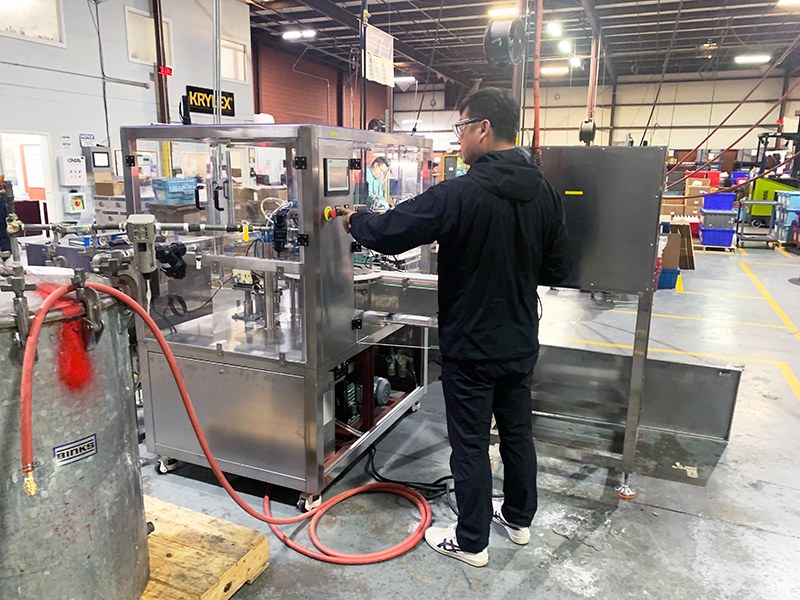
Figure 2. The PET bottle filling section must match the bottle support, neck finish, product condition, and closure. Image source: MIC PET Bottling Line.
PET handling often uses the neck ring
Empty PET bottles have little mass and can be unstable on a conventional base conveyor. Neck handling can hold the bottle at a consistent reference point as the body shape and height change. In a first-party history of its filler development, Krones explains how it developed PET neck handling to reduce bottle contact and scuffing, and later used controllable neck grippers through machine transfers: 50 years of fillers made by Krones.
The neck finish is a line datum. Changing it can affect the preform, blow mold, air conveyor, grippers, rinser, filler, capper, cap feed, leak test, and spares. A body-only change may still affect base guides, label control, pack formation, and accumulation.
PET bottle qualification should cover the actual process temperature, internal pressure or vacuum, top load, fill level, cap application, line contact, packing pattern, pallet load, transport, and shelf life. Empty-bottle dimensions alone are insufficient.
A glass bottling line begins with one-way or returnable supply
One-way glass bottles generally enter through depalletizing, inspection, and cleaning or rinsing as required. Returnable glass creates a longer front end: depalletizing, unpacking, crate handling, bottle washing, caustic management where used, empty-bottle inspection, rejection, and transfer to the filler. The plant must also define what happens to foreign bottles, damaged containers, residual liquid, labels, closures, and contaminants.
A Krones reference for a returnable-glass beer line lists a crate washer, unpacker/packer, bottle washer, empty-bottle inspector, filler, and filled-bottle inspection. It demonstrates the extra functions a returnable loop can require, although the exact scope remains project specific: turnkey returnable-glass line.
Glass bottles remain dimensionally rigid during filling, yet manufacturing tolerances, wear in a returnable population, chips, base defects, and finish damage can disturb handling or sealing. Procurement specifications need dimensional tolerances, inspection criteria, and nominal drawings.

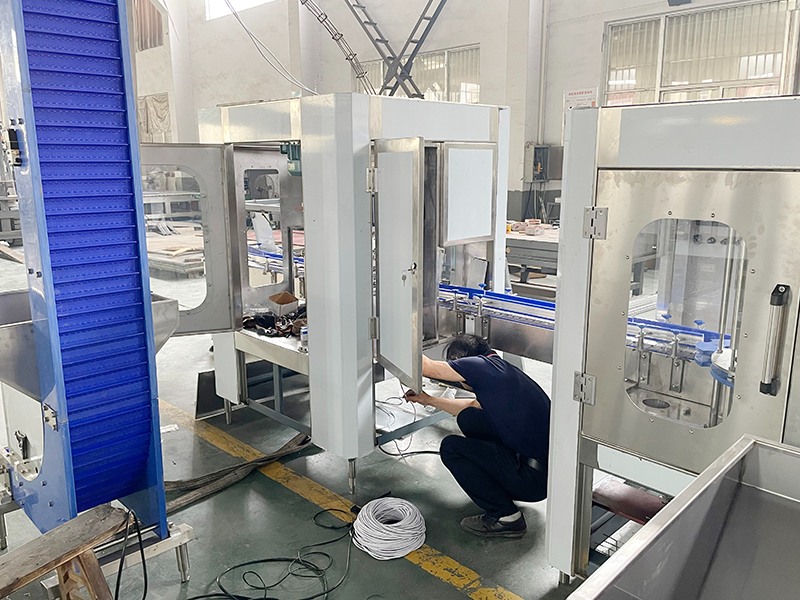
Figure 3. A glass bottle filling machine requires base-supported handling, an appropriate closer, and equipment matched to one-way or returnable supply. Image source: MIC Glass Bottle Filling Machine.
The beverage sets the filler; the bottle sets the interface
Still water can use a gravity or normal-pressure route. Carbonated drinks typically use counter pressure. A hot-filled beverage needs a filler and downstream sequence that maintain the scheduled process. These process choices apply to PET and glass, subject to package qualification.
The container changes how the machine presents the bottle to the valve. PET may hang from the neck or sit on a base support. Glass commonly uses a base lift or platform to create the required valve contact. Treat a shared filler platform as feasible only after the supplier demonstrates the actual bottles, valves, starwheels, lifts, guards, recipes, and cleaning access. A catalog statement such as "PET and glass compatible" leaves the change parts and performance guarantee undefined.
Closures can change the entire downstream path
PET beverages commonly use a plastic screw closure with a defined neck finish, tamper band, application torque, and cap-handling system. Glass may use a plastic or metal screw cap, crown, cork, roll-on closure, or another system. Each option changes the closer, feed system, inspection method, reject logic, and sometimes the package pressure or oxygen-control strategy.
For a material conversion, check the closure before assuming the existing capper can be modified. The required conversion may range from a format kit to another turret or a separate closing machine. Labels and decoration also differ: pressure-sensitive, roll-fed, shrink-sleeve, wet-glue, or direct-print systems have their own surface, condensation, temperature, and bottle-shape requirements.
Conveyors need different pressure and accumulation rules
PET handling must control lightweight, flexible bottles without crushing, tilting, or scuffing them. Neck-guided transport can simplify empty-bottle transfer but depends on a stable neck finish. Once filled, bottles usually move by base support, and guide settings must protect the body and label area.
Glass conveyor design must manage greater mass and contact force. Excessive back pressure can chip bottles or increase breakage at transfers, turns, starwheels, and accumulation zones. Too little control can create gaps, surges, or unstable infeed. The approved line-control philosophy should state how sensors, speeds, accumulation, lubrication where used, and machine ownership interact during stops and restarts.
Buffer capacity should be justified by the line's actual stop patterns. Large accumulation adds footprint, container contact, cleaning work, and product exposure time, so its benefit must be demonstrated in the line balance.
Define changeover as a verified sequence
Create a format matrix before the machine is designed. List every bottle, neck finish, closure, label, pack pattern, product, temperature, and required output. For each transition, identify:
- parts to replace, including molds, guides, screws, starwheels, grippers, lifts, valve pieces, chucks, closer components, labeler parts, and packer change parts;
- settings to adjust or load, including rails, heights, pressures, torques, timing, sensors, cameras, label data, code data, and recipes;
- cleaning, flushing, sanitation, or sterilization work required for the product change;
- tools, lifting aids, storage racks, verification gauges, and personnel;
- the first-off checks that release the line back to production.
Record changeover time from the last saleable pack of the outgoing SKU to the first sustained saleable output of the incoming SKU. A complete timing study includes product removal, cleaning, warm-up, quality checks, packaging replenishment, and ramp-up losses in addition to the mechanical conversion.
Broken-glass control needs a defined zone and release rule
Glass breakage can spread fragments through conveyors, machine bases, drains, shoes, tools, and nearby open containers. The site procedure should define the affected zone, line stop and isolation, product and package disposal boundary, cleanup tools, inspection, documentation, and quality release. Equipment layout should allow safe access and prevent fragments from collecting on ledges or entering exposed product paths.
The response boundary depends on where the break occurred and whether containers or product were open. Hiding the procedure in a general housekeeping instruction leaves operators to make a food-safety decision during downtime.
PET avoids glass fragments but still needs damaged-package control. Neck splits, stress cracks, deformed panels, pinholes, and weak bases can cause leaks or later distribution failures. Inspection and rejection should match the defect modes of the approved bottle.

Figure 4. Glass conveyor layouts need controlled transfers, accumulation, access, and a documented response to broken containers. Image source: MIC Glass Bottle Filling Machine.
Compare efficiency with saleable output
Rated bottles per hour describes one condition. Plant efficiency also depends on container supply, microstops, breakage or deformation, changeover, cleaning, warm-up, inspection rejects, label and closure supply, packing, and pallet flow.
Compare PET and glass scenarios using:
- Sustained saleable output for each SKU.
- Planned and unplanned downtime by cause.
- Container, closure, label, and pack reject rates measured during trials.
- Changeover labor, duration, tools, and first-off approval.
- Utility demand for bottle blowing, washing, conveying, cooling, and cleaning.
- Storage and internal logistics for preforms, empty bottles, crates, closures, and finished pallets.
- Maintenance access, spare parts, and wear points caused by container mass or transfer design.
Use a line simulation or timing study when the buffer, washer, blow molder, filler, labeler, or packer could set the constraint. The production bottleneck depends on stop frequency and recovery behavior as well as rated speed.
Retrofit or separate line?
A retrofit can make sense when the beverage process is shared, the existing filler has a documented conversion path, and downstream machines can accept the new package. A separate line becomes more credible when the container front end, closer, thermal process, hygiene boundary, or required output differs substantially.
Ask the supplier for a conversion-scope drawing, change-parts list, format matrix, utility changes, control modifications, guarding review, FAT plan, installation downtime, and performance guarantee for every new SKU. Include the existing machine serial numbers, layouts, manuals, and bottle samples in the study.
RFQ checklist
Provide:
- beverage specification and fill process for every SKU;
- dimensioned bottle and preform drawings, neck finish, tolerances, weight, material distribution or glass specification, and production samples;
- one-way or returnable supply route, pallet and crate data, and bottle-quality criteria;
- closure, label, code, secondary pack, and pallet pattern;
- required saleable output, shift plan, changeover frequency, and expected product sequence;
- factory layout, floor loading, access, drainage, utilities, and hygiene zoning;
- inspection, rejection, broken-glass, cleaning, and acceptance requirements.
FAQ
Does a PET bottling line have to include a blow molder?
No. A plant can receive finished PET bottles or make bottles from preforms on site. The choice changes storage, conveying, utilities, quality checks, buffering, and the investment boundary.
Can one filler run PET and glass bottles?
Accept dual-material capability only when the supplier confirms the actual bottles, support method, valves, starwheels, lifts, closures, guards, cleaning access, change parts, output, and acceptance test. A general compatibility statement is not a performance guarantee.
Why does a glass bottling line need a broken-glass procedure?
Fragments can reach conveyors, machine bases, drains, tools, footwear, and nearby open containers. The procedure needs a defined stop, isolation zone, disposal boundary, cleanup method, inspection, documentation, and quality-release rule.
Does a glass bottling line always run slower than a PET line?
No universal speed relationship applies. Saleable output depends on the approved container, filler and closer configuration, conveyor behavior, breakage or deformation, inspection, changeovers, packing, and stop recovery. Compare both options at the same SKU and acceptance conditions.
What must be checked during a PET-to-glass or glass-to-PET changeover?
Verify handling parts, bottle support, filler and closer settings, guarding, conveyor pressure, inspection recipes, label and pack formats, cleaning access, first-off approval, and restart performance. The supplier should document the sequence, tools, duration, and test method.
Next step: define the complete package route
PET is the better route when its bottle-making or supply plan, neck handling, process resistance, packing, and logistics fit the project. Glass makes sense when the bottle supply, impact control, washing and inspection scope, closure, and market route justify the additional handling. A planned conversion still requires a machine-by-machine review from container input to pallet output.
MIC's PET and glass category pages provide a starting point for the equipment discussion. The proposal then needs to map each bottle and closure to the required handling parts, process settings, inspections, changeover work, and guaranteed test conditions.