What Is an IPA Beer? The Complete Guide to India Pale Ale
You walk into a craft brewery. You see a wall full of tap handles. You know names like IPA, Double IPA and West Coast IPA. You may not understand what these labels truly mean. Lots of people have wondered exactly what an IPA beer is. You are not alone in this confusion. IPA stands for India Pale Ale. It carries strong hop flavors and clear bitter notes. It has grown into the representative drink of the craft beer trend.
The Definition of IPA
|
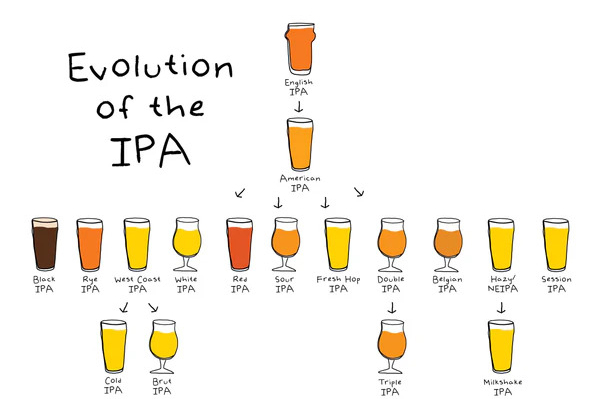
People often ask what an IPA beer really is. An IPA is a hop-forward, bitter pale ale. It first appeared in England in the late 1700s. The word “India” in its name links to its early history. Brewers added extra hops into this beer. The extra hops kept the beer fresh during long sea travel from England to British colonies in India. Extra hops acted as a natural preservative for the drink.
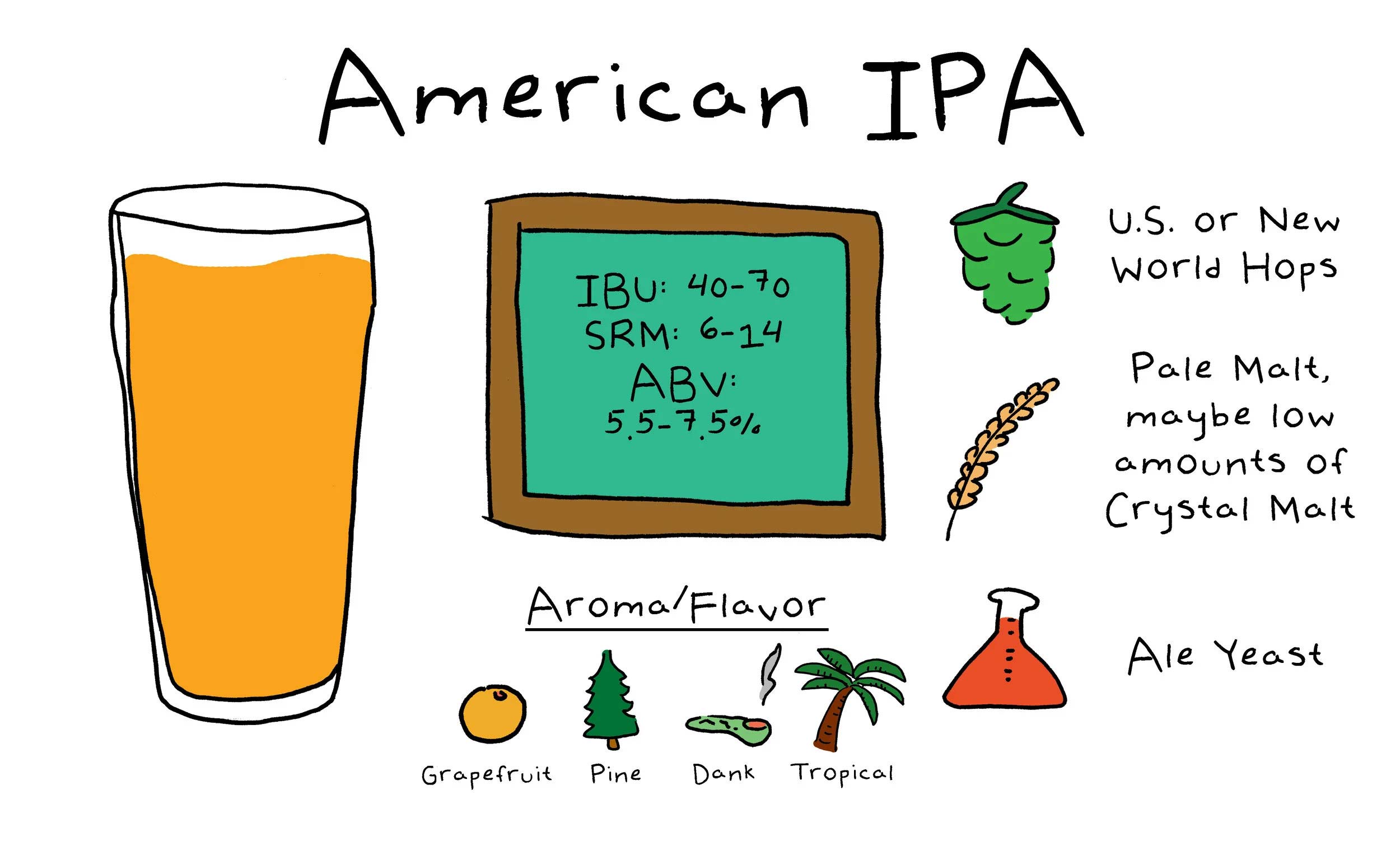
Modern IPAs have three clear traits. They have strong bitter tastes from hops. They release floral or citrus scents. They
|
|
|
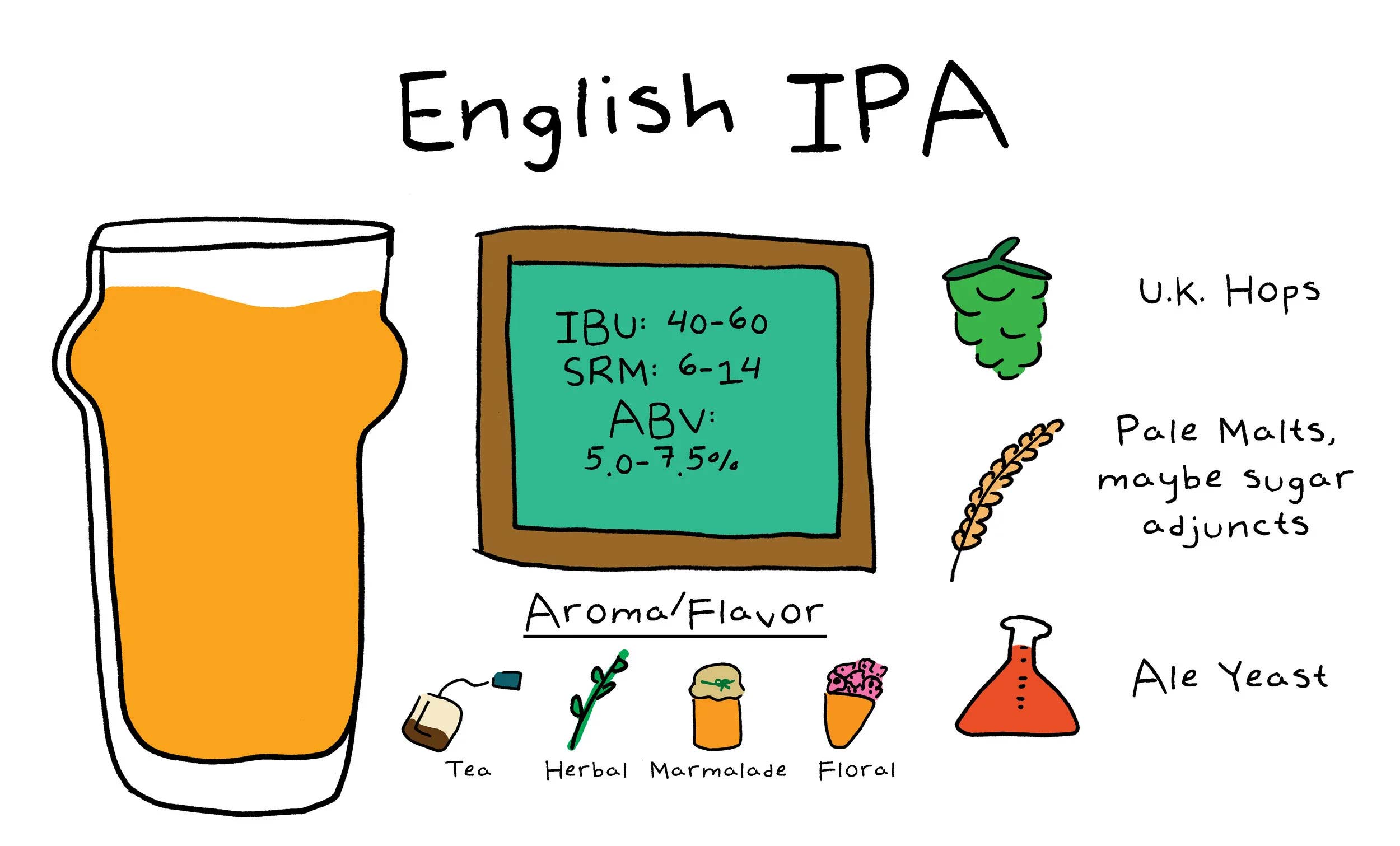
hold more alcohol than regular pale ales. Common IPAs have an alcohol volume between 5.5% and 7.5% on average. Some double IPAs can hit over 10% ABV.
What Is Beer Made Of?
You need to learn basic beer makeup first to grasp IPAs well. Many people ask what is beer made of. Every beer uses just four core raw materials. The four materials are water, malted barley, hops and yeast.
Water fills 90 to 95 percent of each bottle of beer. Malted barley creates fermentable sugar inside the liquid. Hops add bitter taste and unique aromas. Yeast eats the sugar and makes alcohol plus carbon dioxide. The different balance of these four materials sets apart each beer style.
Hops stand out as the key defining material in IPA. Brewers add large amounts of hops. They usually put hops in late during brewing work to lock in rich aromas.
How Much Alcohol Is in Beer?
|
|
|
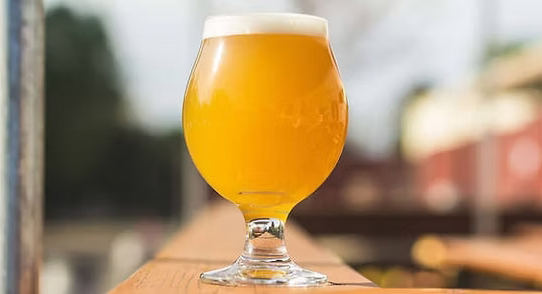
Lots of people want to know how much alcohol content is in beer. The number shifts a lot based on each beer style. Most regular lagers and standard ales have 4% to 6% ABV. Light beers sit at 3% to 4% ABV most of the time.
Regular IPAs hold 5.5% to 7.5% alcohol by volume. Double IPAs reach 8% to 10% ABV or even higher. A few special craft IPAs go past 12% ABV.
|
What Is Ginger Beer?
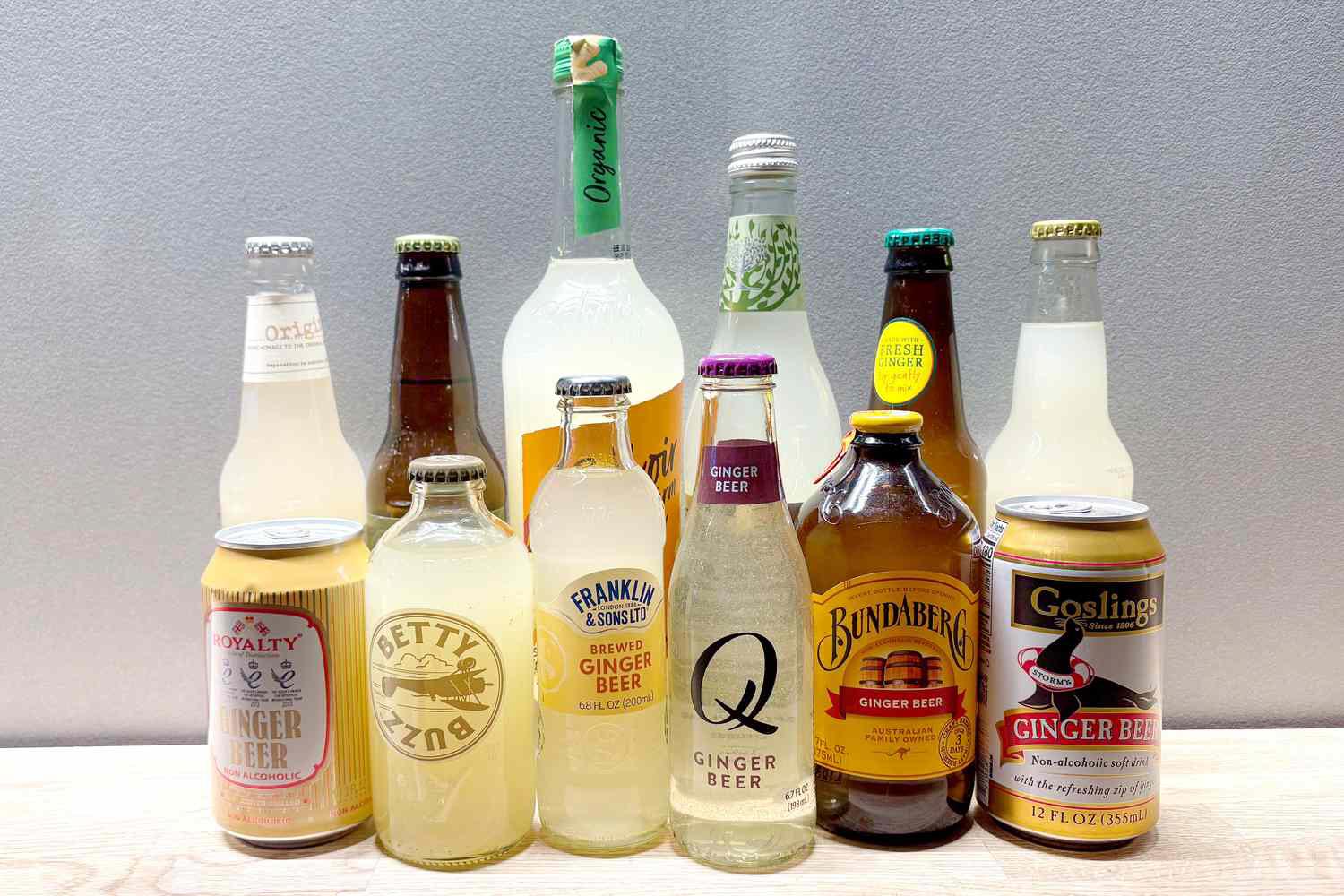
We move away from standard beer now to talk about a drink with a similar name. Many people ask what is ginger beer. Ginger beer is a bubbly drink. It has ginger flavor. It can carry zero alcohol or very low alcohol levels. It started in England in the 1700s as a fermented ginger drink.
Traditional ginger beer uses ginger, sugar, water and a ginger beer plant. A ginger beer plant mixes yeast and bacteria together. This fermentation process creates small traces of alcohol. Most modern store-bought ginger beer holds less than 0.5% ABV. These versions count as non-alcoholic drinks.
Does Ginger Beer Have Alcohol?
Many people follow up with this question: does ginger beer have alcohol? The answer changes based on each brand. Most
|
ginger beer sold in grocery stores stays under 0.5% ABV. These drinks work safely for kids and people who drive vehicles.
Some local breweries make alcoholic ginger beer. People call this type hard ginger beer. Its alcohol content runs from 4% to 6% ABV. You can check the bottle label to get a clear answer. Labels marked non-alcoholic have no meaningful alcohol. Labels marked hard or printed with an ABV number contain alcohol.
|
|
|
What Is Root Beer?
Root beer is another drink with “beer” in its name. People often ask what is root beer. Root beer is sweet and bubbly. It carries no alcohol. Makers once used sassafras root bark or sarsaparilla plants for its main flavor. Factories now use artificial flavor mixes. Governments banned safrole from sassafras plants back in 1960.
Creamy thick foam is a key mark of root beer. Makers add yucca extract or other natural foaming materials to create this foam. Its flavor mix holds wintergreen, anise, vanilla, cinnamon, clove and molasses.
Is Root Beer Alcoholic?
Shoppers frequently want to know: is root beer alcoholic? All commercial root beer sold in shops holds under 0.5% ABV. It counts as a non-alcoholic drink. Tiny alcohol traces come from mild natural fermentation or vanilla extracts.
Homemade root beer can build up alcohol under wrong storage. Old homemade recipes add small yeast amounts just to create bubbles. The liquid builds more alcohol if you leave it at room temperature too long. Store-bought root beer stays alcohol-free. Homemade root beer turns alcoholic if you do not put it in the fridge fast enough.
IPA vs. Other Beers
|
|
|
We shift focus back to IPA now. Many people want to know how IPA compares to other beer styles. Standard pale ale has mild hop bitterness. Its ABV falls between 4.5% and 5.5%. IPA brings stronger hop bitterness and higher alcohol levels. Double IPA uses far more hops and carries more alcohol than regular IPA.
Session IPAs cut down alcohol content to around 4% to 5% ABV. They still keep rich hop flavors. New England IPAs look cloudy and taste fruity. They carry less bitter taste than classic West Coast IPAs.
|
The Flavor Profile of IPA
IPA earns fame from its strong, bold flavors. Different hop types bring tastes of pine, grapefruit, citrus, tropical fruit, floral notes or resin. Malt adds soft sweet hints. This sweetness balances out the hop bitterness.
Some IPAs taste dry and clean. Other IPAs taste juicy with light sweet touches. Their liquid color ranges from pale gold to deep amber. People describe IPA aromas as strong and sharp. This sharp smell comes from its heavy hop content.
The Popularity of IPA
Many people wonder why IPA wins wide popularity. Craft beer fans love its bold, clear flavors. IPA matches well with spicy food, strong cheese and grilled meat. Brewers mix different hop kinds all the time. Drinkers can always find new IPA tastes to try.
Beer lovers also enjoy picking apart the layered flavors inside IPAs. This demand makes IPA the top-selling style across craft beer markets.
How IPA Is Made
|
Brewers pay close attention to hops when they make IPA. Brewers add hops at different brewing steps. They put bittering hops in early while the liquid boils. They add aroma hops late in boiling or during fermentation. People name this late addition step dry-hopping. Dry-hopping builds rich scents without adding extra bitter taste.
Modern IPA recipes mix several hop types together. This mix creates layered, complex flavors. Some brewers also add fruit, milk sugar or spices to adjust IPA taste.
|
|
|
Commercial Production
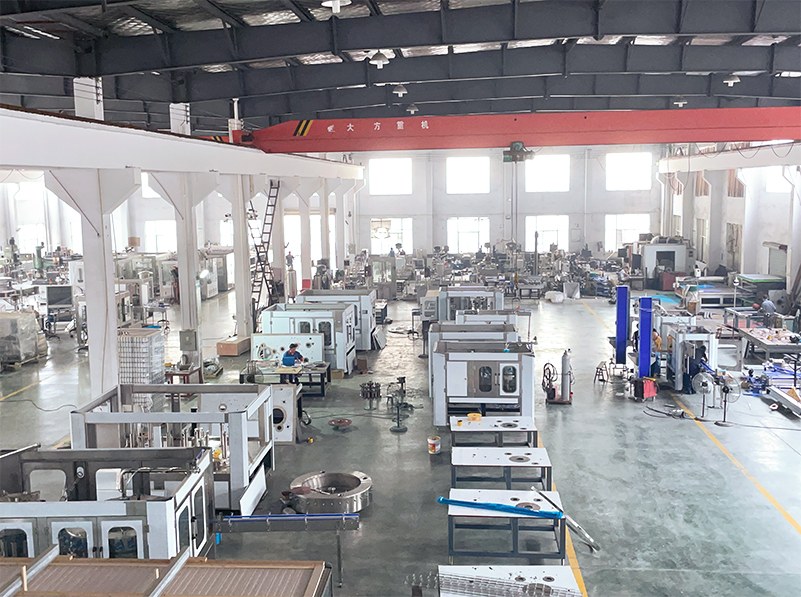
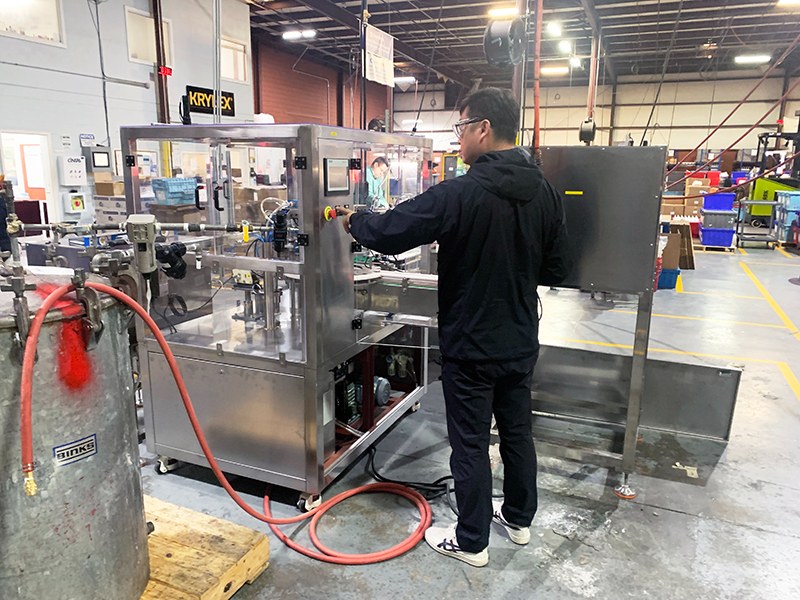
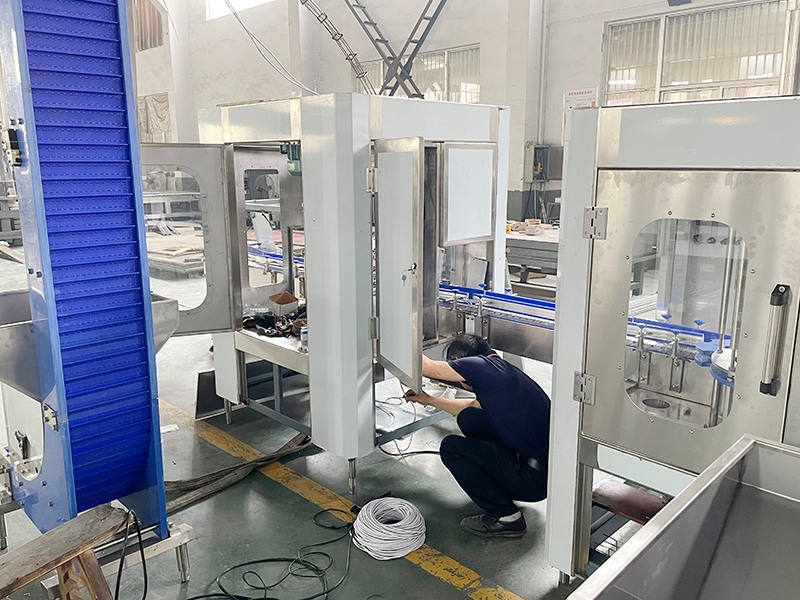
Beer freshness and quality start inside every brewery. A beer filling machine fills bottles and cans at fast speeds. The machine keeps oxygen away from beer as much as possible. This step matters greatly for IPAs. Hops easily react with oxygen. Oxygen contact fades hop aromas and creates strange bad flavors.
A beer filling machine locks steady carbonation levels on every product. It seals each container tightly. This whole process locks in fresh hop scents and makes IPA stay tasty for longer.
The Bottom Line
We circle back to our opening question now. What is an IPA beer? It is a bitter pale ale full of hops. It carries more alcohol than standard beer styles. Brewers first made it in England to ship to India. It later became the core product of the craft beer industry.
IPAs hold bold, rich flavors with wide taste differences. You can pick crisp West Coast IPA or cloudy fruity New England IPA. Every drinker can find an IPA to match their taste preference. This fully answers the original question of what an IPA beer is.