When Was Root Beer Invented? The Fascinating History of America's Classic Soda
You take a thick cold mug of root beer at summer outdoor barbecues, or you make a sweet root beer float with vanilla ice cream for daily treats. This drink carries thick cream texture, strong sweet taste and warm old memories for every drinker. Most people never stop and think about the birth time of root beer, and this question leads us back to early colonial America where local pharmacists and herbal plant researchers tested different tree roots, bark and spice materials to create new drinks.
What Is Root Beer?
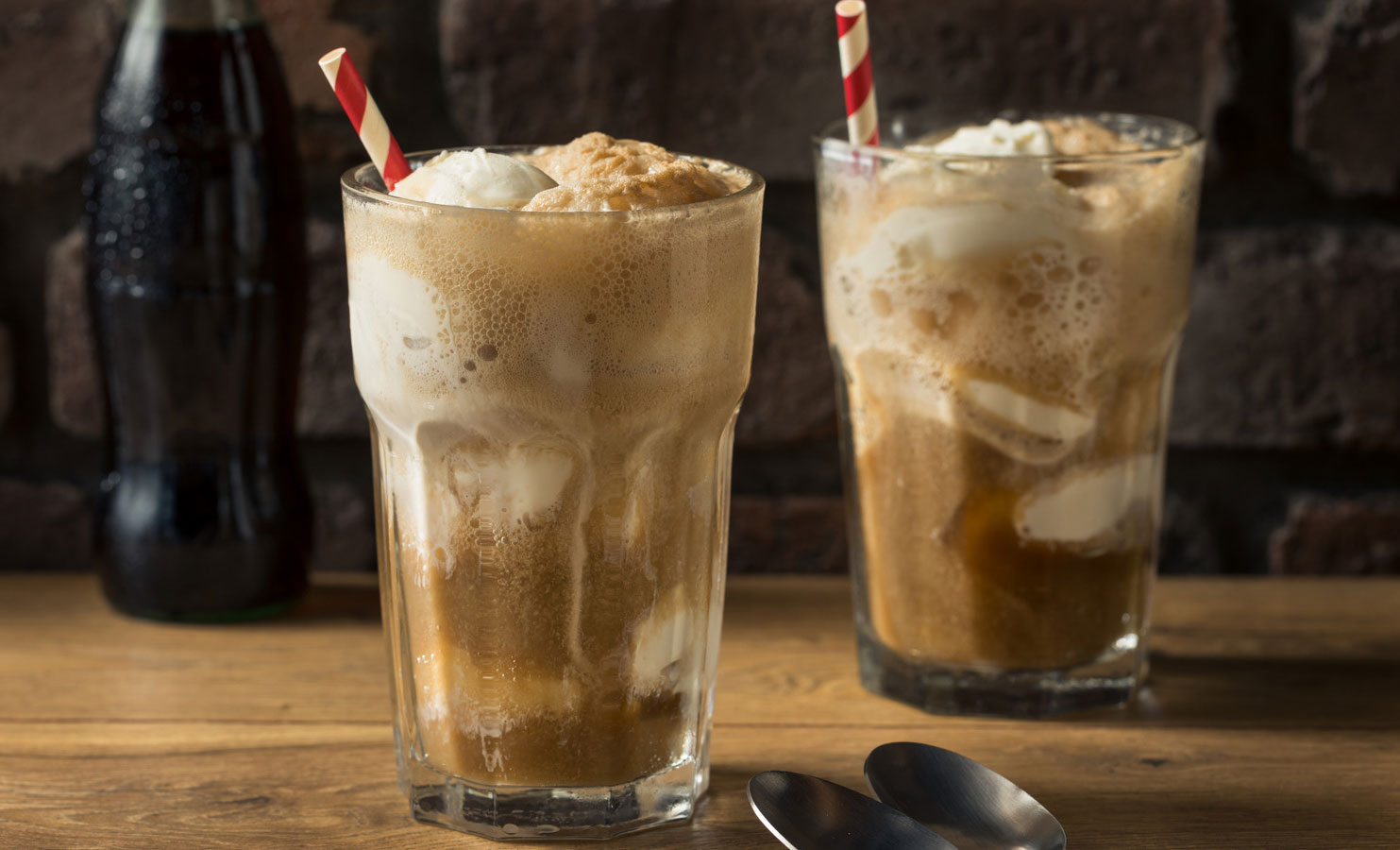
People need to learn the basic definition of root beer first before we talk about its invention time. What is root beer? Root beer is a sweet bubbly drink with almost no alcohol inside. Early makers take bark from sassafras tree roots or vines of sarsaparilla plants as its main flavor source. These two plant materials give root beer its special earthy taste, light spice touch and faint herbal medicine flavor.
|

|
|
Modern factory-made root beer uses artificial flavor mixtures instead of raw sassafras. The US FDA banned safrole, a natural chemical inside sassafras, in 1960. People can still buy processed sassafras materials without safrole to brew root beer at home.
Every cup of root beer has a thick soft foam layer on its top surface, and people will feel strange without this special foam. Makers add yucca extract or other natural bubble-making materials to create this dense foam. The full taste set of root beer holds wintergreen, anise, vanilla, cinnamon, clove and molasses.
|
When Was Root Beer Invented?
We move to the core question about the birth of root beer. The earliest simple versions of root beer appeared during the colonial period of America. Local Native tribes used sassafras roots as healing medicine hundreds of years ago. Early European settlers learned this plant material from those native groups, and those settlers boiled the roots to make drinkable liquid.
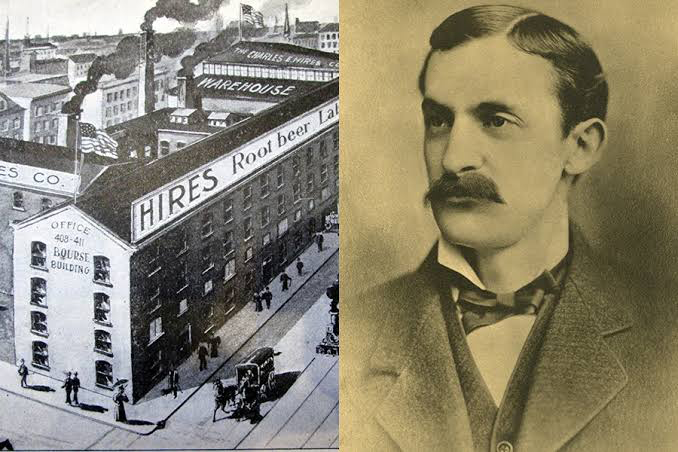
People found the first complete written recipe of root beer in 1840, and a pharmacist named Charles Hires from Philadelphia wrote this recipe. Charles Hires did not sell this drink to the public until the year 1876. He brought a product called Hires Root Tea to the Philadelphia Centennial Exposition in 1876, and he changed the product name to Hires Root Beer later.
The first full recipe of root beer came out in 1840, and the first mass-sold root beer product reached market in 1876. Most history records name Charles Hires as the creator of commercial root beer for all people.
When Was Beer Invented?
Readers can compare root beer with alcoholic beer to see its unique place in drink history. People ask about when was beer invnted? The oldest physical proof of beer production goes back more than seven thousand years to old Mesopotamia land.
|
Ancient Sumer people soaked grain inside clean water, and this simple method made sweet liquid with light alcohol effects.
Those Sumer people carved beer making steps on clay boards, and they built a special goddess figure named Ninkasi for beer worship. Beer became basic daily food for old groups, and people drank beer more than unprocessed dirty river water for safety. This old beer history helps people understand root beer better, because root beer uses similar fermentation steps but replaces grain with tree roots and herbal spices.
|
|
|
What Is Beer Made Of?
People check beer’s raw materials to tell clear differences between root beer and regular alcoholic beer. What is beer mafe of? Every bottle of standard beer only uses four fixed main raw materials. Those materials are clean water, malted barley grain, hops and yeast.
Water fills ninety to ninety-five percent of all finished beer liquid. Malted barley creates sugar that can turn into alcohol during fermentation. Hops add bitter taste to beer and keep the drink fresh for longer time. Yeast eats the sugar inside liquid and makes alcohol plus carbon dioxide gas at the same time. Root beer throws away all four beer materials and uses tree roots, bark and spice plants instead.
Is Root Beer Alcoholic?
|
|
|
Many buyers hold the same question about is root beer alcoholic? All root beer sold in supermarkets has less than 0.5 percent alcohol by volume, so shops mark this drink as non-alcoholic. Tiny alcohol traces come from mild natural fermentation or vanilla flavor liquid added during production.
Root beer made at home may grow more alcohol if makers break the brewing rules. Old home recipes add a small amount of yeast just to make bubbles inside liquid. If people leave the
|
mixed root beer liquid at room temperature for too long, its alcohol number can rise to one percent, two percent or even four percent. All factory root beer has no real alcohol risk, but homemade root beer gains alcohol fast without quick cold storage.
How to Make Root Beer
Learning how to make root beer is easy when you follow simples steps after its history, and this home brewing process brings clear fun for every maker.
Makers first boil thick herbal flavor water as the base liquid. They put sassafras bark, wintergreen leaf, cinnamon sticks, clove pieces, star anise and vanilla bean inside clean water and heat the mix for thirty minutes. People add two cups of sugar and some molasses for every gallon of liquid to build sweet taste. Makers pour cold water into the hot mix to lower its temperature fast.
|
Next step adds a very small amount of champagne yeast, around one quarter teaspoon for each gallon of liquid. Yeast eats a little sugar within twenty-four to forty-eight hours and creates carbon dioxide bubbles. Makers put all filled bottles straight into fridge to stop further fermentation after this waiting time.
The time control rule sits at the center of home root beer making. Liquid kept cold within twenty-four to forty-eight hours holds alcohol under 0.5 percent. Liquid left at warm space past this window turns into lightly alcoholic drink.
|
|

|
The Evolution of Root Beer
Root beer changed a lot after Charles Hires pushed his commercial product in 1876. Early root beer goods sold as dry powder bags, and buyers mixed the powder with home water and sugar before drinking. Those early packs had no bubbles at first; bubbles only formed after buyers added yeast or pumped carbon gas into liquid.
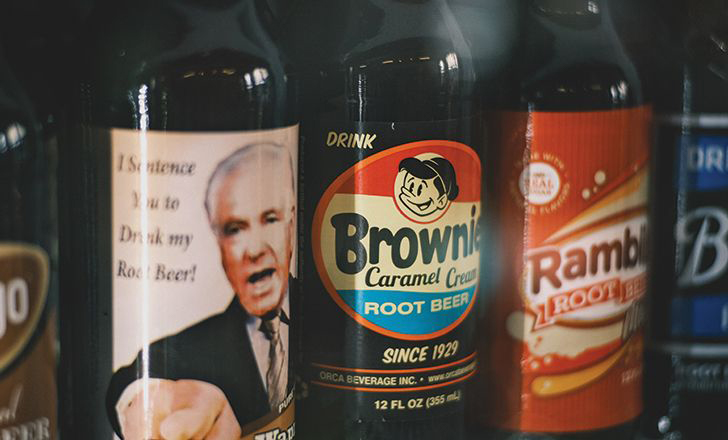
In the early years of the twentieth century, bottled root beer spread across all markets. Brands such as A&W, Barq’s and Mug became common drinks for every family. The A&W brand opened in 1919 and made root beer floats a popular dessert drink for all ages. Barq’s started business in 1898, and its root beer carries a special sharp taste that people can tell right away.
Root beer now comes in metal cans, glass bottles and tap drink machines for shops. Makers create hundreds of taste types from classic old formulas to rare exotic spice mixes.
Commercial Production
|
|
|
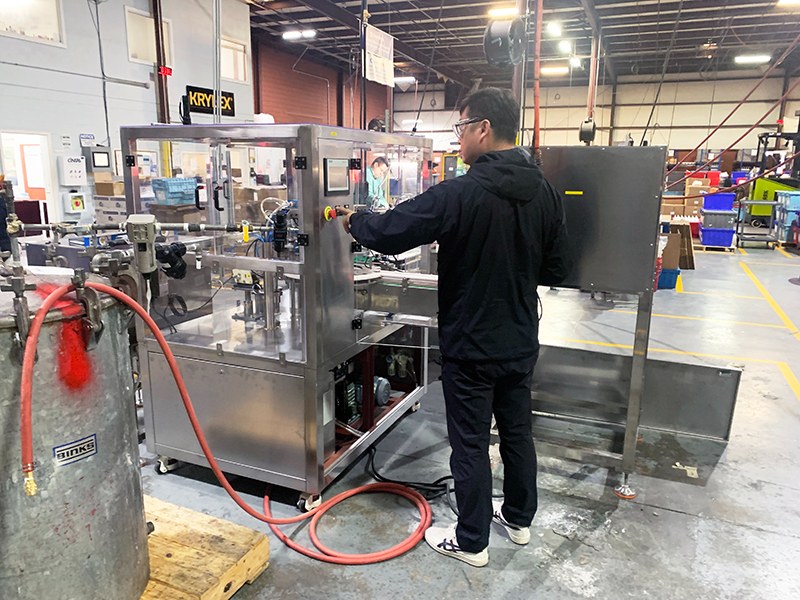
Stable taste and uniform quality of root beer start inside factory bottling workshops. A beer filling machine fills glass bottles and metal cans at fast running speed, and this machine cuts oxygen touch with drink liquid as much as possible. This filling step keeps bubbles strong inside root beer and lengthens its shelf storage time.
A beer filling machine locks the same bubble level for every product and seals each container fully without air leaks. The
|
market cannot get reliable bubbly root beer without this filling machine equipment.
The Bottom Line
We go back to the opening question about root beer’s invention time. Charles Hires, a pharmacist from Philadelphia, wrote down the first full root beer recipe in 1840. He brought this drink to public sales at the 1876 Philadelphia Centennial Exposition. Simple root beer drinks existed during colonial times before 1840, but history books give Charles Hires full credit for building the commercial root beer industry.
Root beer grew through hundreds of years from rough colonial herbal drinks to one famous classic American soda. This clear explanation fully answers the original question: when was root beer invented.