

Fruit Washer
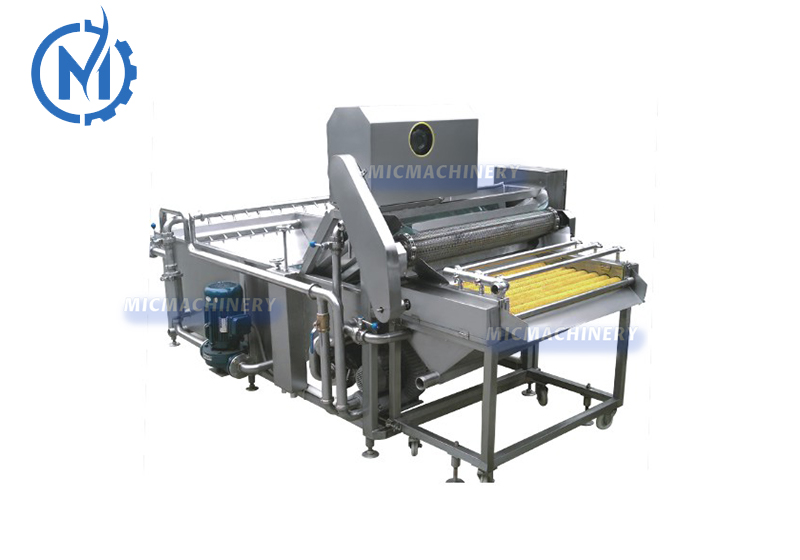
Fruit Washer Machine | Industrial Fruit & Vegetable Cleaner
The fruit washer is an essential piece of equipment in the food processing industry, designed to clean fruits thoroughly before they proceed to further processing or packaging. Proper washing removes dirt, pesticides, surface microorganisms, and other contaminants, ensuring product safety and quality.
This equipment is widely used in fruit processing plants, juice production lines, canning facilities, and fresh produce packaging operations. It handles a variety of fruits including apples, oranges, grapes, peaches, pears, and berries, as well as vegetables such as tomatoes, cucumbers, and leafy greens.
Design and Working Principle
The fruit and vegetable washer typically consists of a washing tank, a conveying system, a water circulation pump, and a spray or bubbling mechanism. The washing process usually involves multiple stages, including pre-washing to remove loose dirt, main washing with detergent or sanitizer, and final rinsing with clean water.
In a typical system, fruits are fed into the washing tank where they are agitated by water currents or air bubbles. The turbulent water action dislodges surface contaminants. Some fruit washer machine models also feature rotating brushes or rollers that gently scrub the fruit surface for more effective cleaning.
Key Features
The fruit washer machine is known for its efficiency and versatility. Key features include:
• Multiple washing stages – pre-wash, main wash, and rinse
• Gentle handling – minimizes bruising and damage to produce
• Adjustable washing intensity – suitable for different fruit types
• Water recirculation – reduces water consumption and operating costs
• Sanitary design – easy to clean and maintain
• Continuous operation – supports high-throughput processing
• Stainless steel construction – durable and corrosion-resistant
The Industrial Fruit Washer in Operation
The industrial fruit washer is designed for large-scale processing operations, handling capacities ranging from a few hundred kilograms to several tons per hour. It features robust construction and automated controls to ensure consistent washing performance.
The industrial fruit washer typically includes a dewatering section to remove excess water after washing. This is often achieved through vibrating screens, air knives, or centrifugal dryers. The dewatering step is important to prevent water carryover to downstream equipment and to reduce drying time if the produce is to be dried.
The Fruit and Veggie Washer for Diverse Applications
The fruit and veggie washer is suitable for a wide range of produce, including:
• Fruits – apples, pears, oranges, grapes, peaches, plums, berries
• Vegetables – tomatoes, cucumbers, potatoes, carrots, leafy greens
• Root vegetables – potatoes, carrots, sweet potatoes
• Tubers – ginger, turmeric
For delicate produce such as berries and leafy greens, the fruit and veggie washer employs gentler washing methods with lower water pressure and reduced agitation to prevent damage. For harder produce like apples and potatoes, more vigorous washing with brushes or rollers can be applied.
Water Treatment and Recycling
Modern fruit washers incorporate water treatment systems that filter and recycle washing water. This reduces water consumption by up to 70–80% compared to single-pass systems. Filtration systems may include screens, hydrocyclones, or dissolved air flotation units to remove suspended solids.
The wash water is often treated with sanitizers such as chlorine, ozone, or peracetic acid to maintain microbiological quality. Proper dosing and monitoring ensure that sanitizer levels remain within safe limits.
Comparison with Manual Washing
Compared to manual washing, the fruit washer machine offers several advantages:
• Higher efficiency – processes large volumes quickly
• Consistent quality – uniform washing every time
• Better hygiene – reduces human contact with produce
• Lower labor costs – reduces need for manual labor
• Water savings – optimized water usage
Conclusion
The fruit washer is a vital component of modern fruit and vegetable processing lines. Its efficient cleaning action ensures product safety and quality while reducing labor and water consumption. For processors seeking a reliable and efficient washing solution, the fruit washer remains an indispensable piece of equipment.


