Does Root Beer Have Caffeine in It? The Complete Guide
You grab a cold bottle of root beer and take a refreshing sip. The drink delivers sweet, creamy flavors that feel deeply satisfying. You may suddenly wonder whether root beer contains caffeine. The caffeine content of root beer varies with its brand and production formula. Many root beer products have no caffeine at all, while certain formulas include caffeine ingredients.
The Short Answer
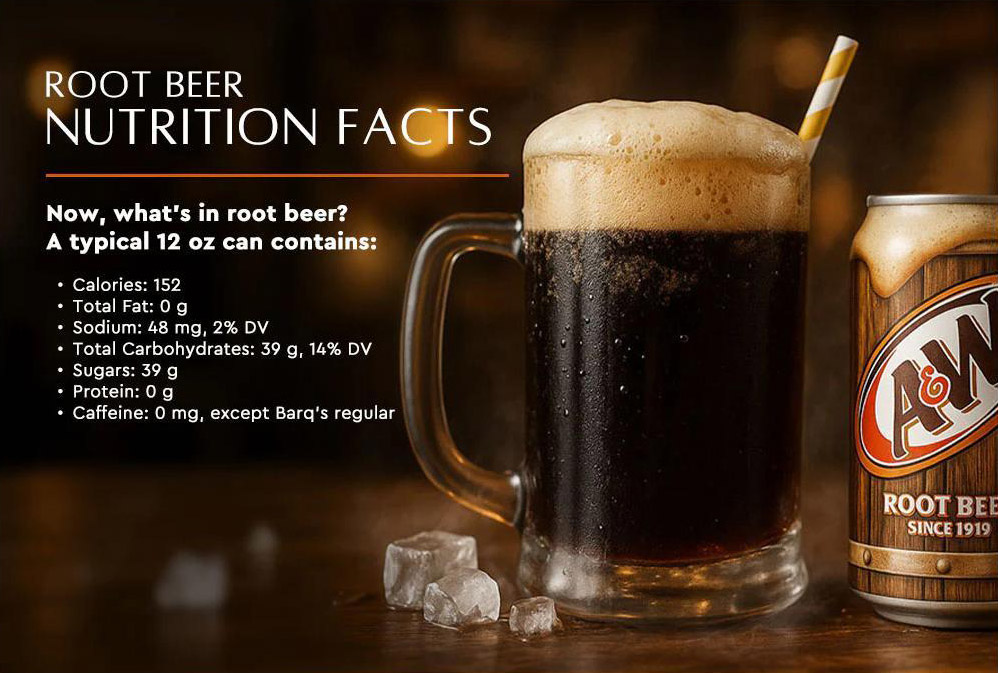
You may ask whether root beer has caffeine inside it. Nearly all classic root beer products are caffeine-free. Popular mainstream brands including A&W, Mug, and IBC carry zero caffeine in their formulas. A small number of products break this rule. Barq’s root beer contains caffeine, with 22 milligrams present in every 12-ounce canned serving. The caffeine presence in root beer depends entirely on its brand. Consumers should always check product labels for accurate caffeine information.
What Is Root Beer?
|
|
|
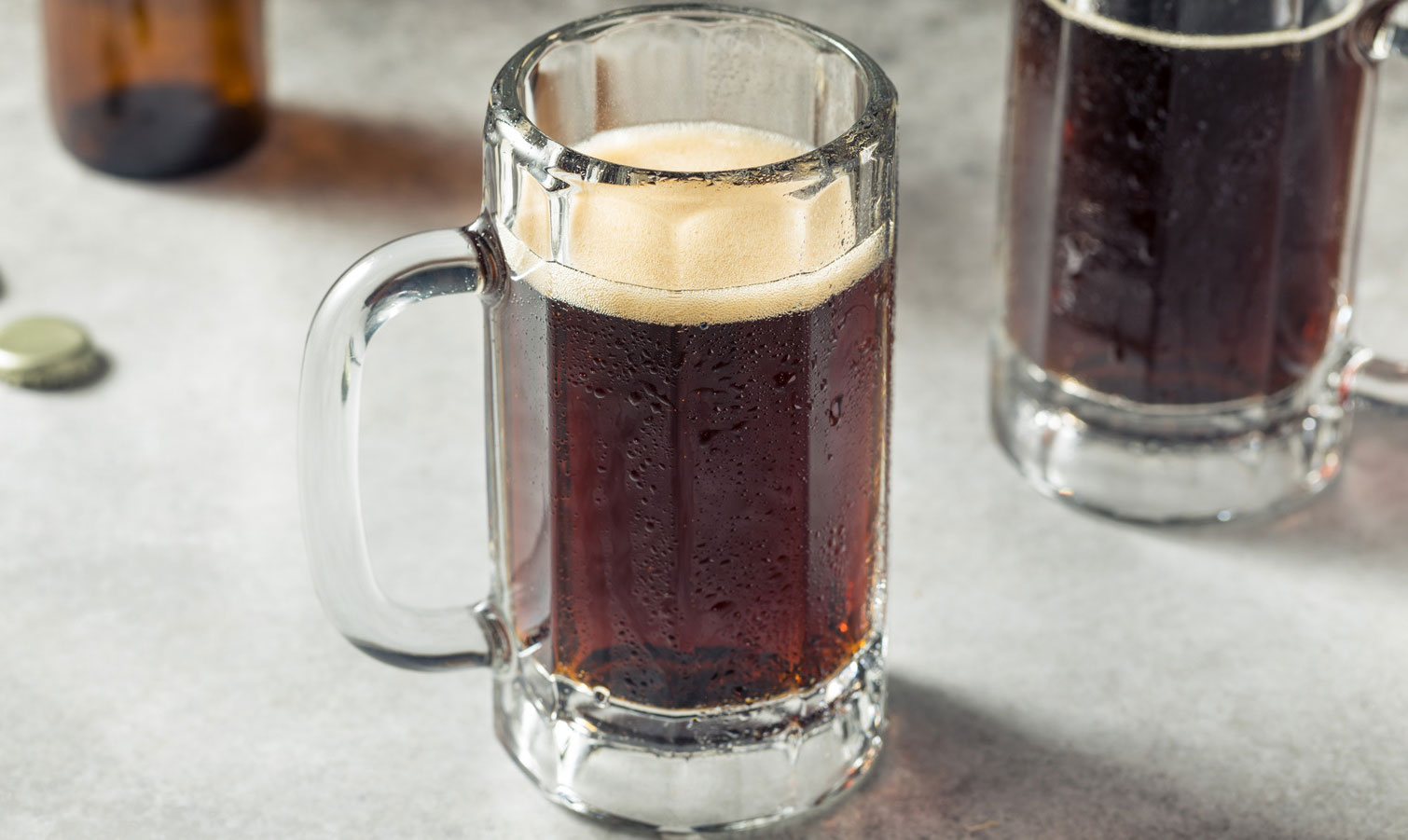
People need a clear definition of root beer to understand its caffeine composition. What is root beer? Root beer is a sweet, bubbly, non-alcoholic beverage. Traditional producers make this drink with natural bark from sassafras trees and vines from sarsaparilla plants. These natural plant ingredients create root beer’s unique earthy, spicy and mild herbal taste features.
Modern commercial root beer replaces natural sassafras
|
flavors with artificial alternatives. The FDA banned safrole, a natural chemical in sassafras, in 1960 for safety reasons. Root beer gains its iconic thick, fluffy foam from yucca extract and other natural foaming additives. Traditional root beer blends multiple classic flavors such as wintergreen, anise, vanilla, cinnamon, clove and molasses.
When Was Root Beer Invented?
People can better understand root beer by learning its developmental history. When was root beer invented? Root beer originated in the colonial era of America. Local Native Americans used sassafras roots for medicinal treatment in early times. European settlers learned this plant’s usage and developed new beverages with sassafras roots.
A Philadelphia pharmacist named Charles Hires created the first official root beer recipe in 1840. Hires did not launch this drink for commercial sale until 1876. He debuted his product named “Hires Root Tea” at the Philadelphia Centennial Exposition and later renamed it “Hires Root Beer”. The first written root beer recipe dates back to 1840, and the first commercial root beer product officially launched in 1876.
Is Root Beer Alcoholic?
|
Many consumers hold questions about is root beer alcoholic? Commercially sold root beer has less than 0.5% alcohol by volume, so it meets the standard of non-alcoholic drinks. Its trace alcohol content comes from natural fermentation and added vanilla extract.
Homemade root beer can develop obvious alcohol if brewed improperly. Traditional homemade formulas add yeast to produce carbonation for the drink. Yeast breaks down sugar to generate carbon dioxide and a small amount of alcohol. Long-
|
|
|
term room-temperature fermentation will raise the alcohol content to 1%, 2% or even 4% ABV. Homemade root beer can turn alcoholic without proper operation. You can place the drink in refrigeration within 24 to 48 hours to stop fermentation progress.
How to Make Root Beer
You can make homemade root beer to take full control of all raw materials. Here is a basic guide for how to make root beer. The process is simple and brings great practical value.
You first need to brew concentrated herbal base liquid. You boil sassafras bark, wintergreen leaf, cinnamon, cloves, star anise and vanilla bean in clean water for 30 minutes. You add two cups of sugar and appropriate molasses per gallon of liquid and stir the mixture until all solids dissolve. You mix in cold water to cool the liquid to room temperature. You add a quarter teaspoon of champagne yeast for each gallon of the mixture. The yeast generates carbonation within 24 to 48 hours. You refrigerate the finished drink immediately to terminate fermentation.
Time control acts as the core key to making qualified root beer. Refrigeration within 24 to 48 hours keeps the alcohol content below 0.5% ABV. Extended fermentation will turn the drink into an alcoholic beverage.
How to Make a Root Beer Float
|
|
|
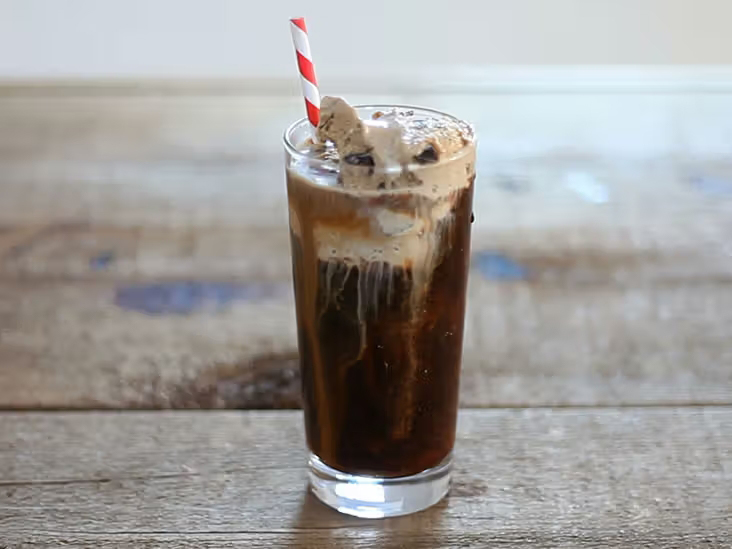
The root beer float ranks among the most classic and popular ways to consume root beer. How to make root beer float is easy and creates a delicious dessert drink. This special drink mixes regular root beer and vanilla ice cream together.
You can follow these steps to make a root beer float. You prepare a tall glass and chill it in the freezer for 10 minutes. You pour 8 to 12 ounces of cold root beer into the chilled glass and fill two-thirds of the container. You gently put one scoop of high-quality vanilla ice cream into the drink. The ice cream floats on the liquid surface and triggers rich foam on the root
|
beer. You top the drink with whipped cream and a cherry. You serve the drink with a straw and a long spoon and consume it right after preparation.
Caffeine Content of Different Brands
We analyze the specific caffeine content of mainstream root beer brands for clear reference.
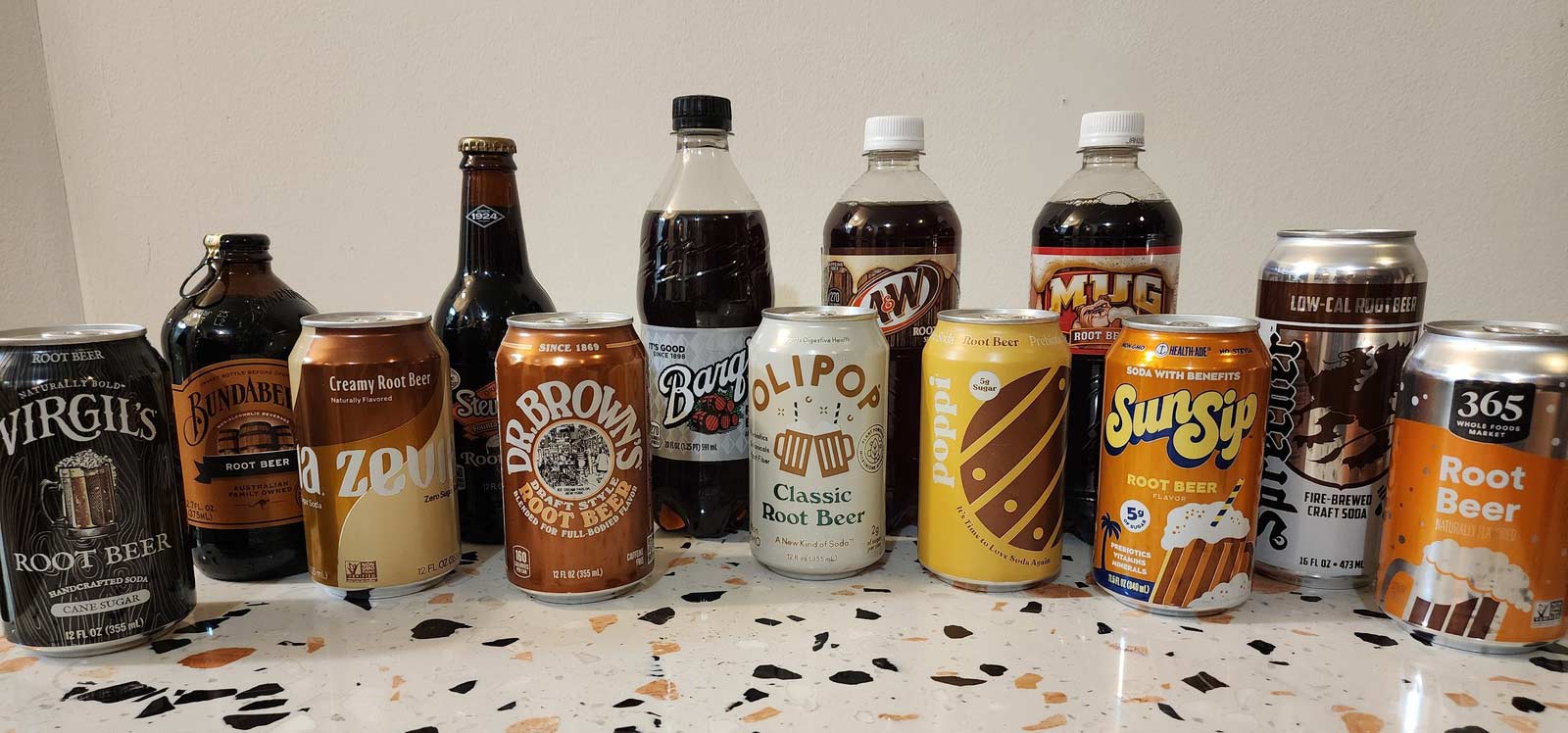
A&W Root Beer – 0 mg caffeine. Fully caffeine-free.
Mug Root Beer – 0 mg caffeine. Fully caffeine-free.
IBC Root Beer – 0 mg caffeine. Fully caffeine-free.
Barq's Root Beer – 22 mg caffeine per 12-ounce can. The only mainstream caffeinated option.
Dad's Root Beer – 0 mg caffeine.
Stewart's Root Beer – 0 mg caffeine.
Virgil's Root Beer – 0 mg caffeine.
Most root beer brands on the market contain no caffeine, and Barq’s is the only mainstream exception.
Why Does Barq's Have Caffeine?
Barq’s is the only mainstream root beer brand that adds caffeine to its formula. The brand adds caffeine to create a sharp, distinctive taste for its products. Many drinkers favor the slight bitter taste brought by caffeine. The caffeine in Barq’s root beer comes from natural kola nut extract in its official recipe.
Commercial Production
|
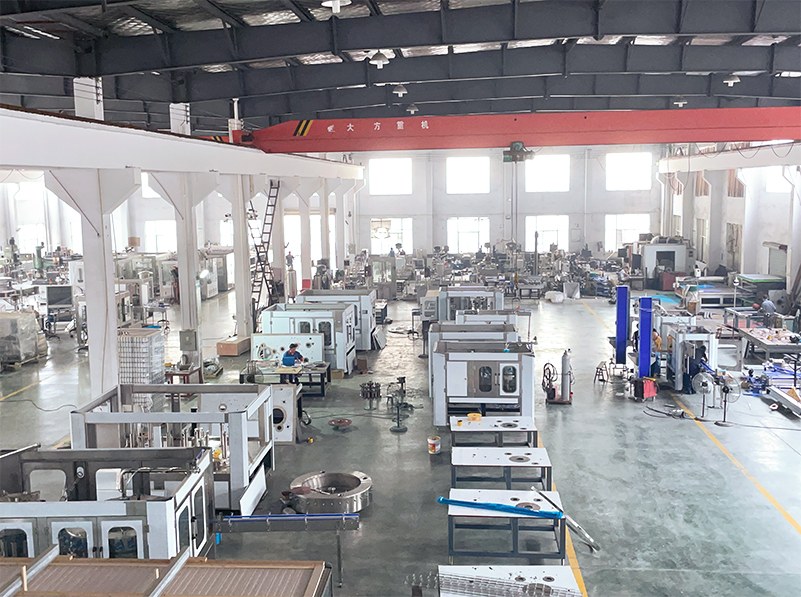
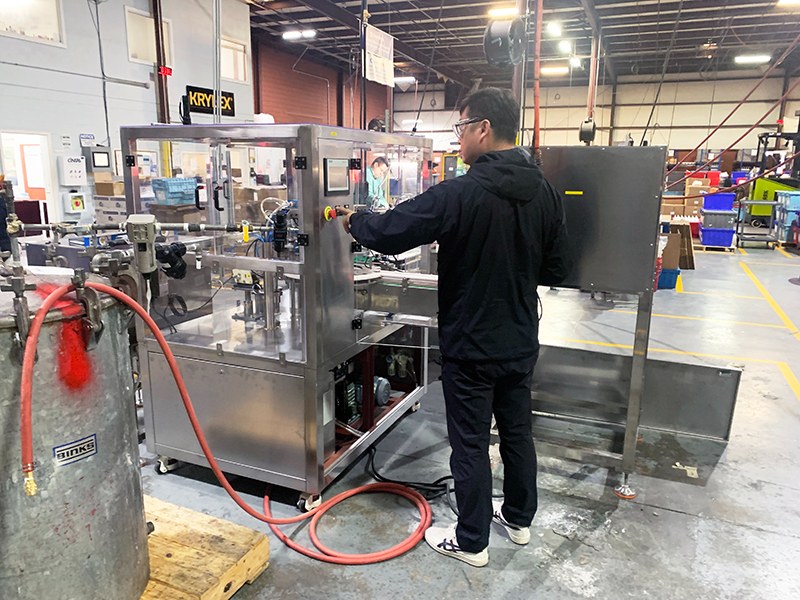
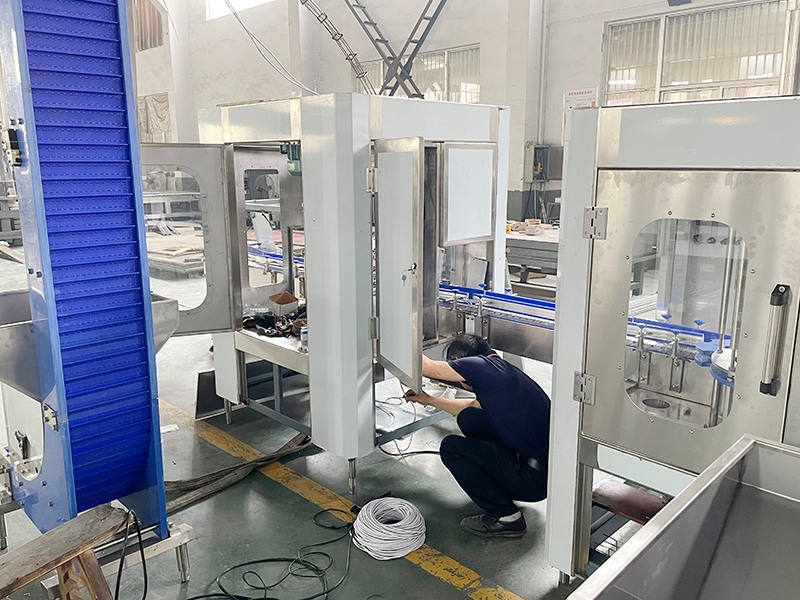
Professional bottling factories guarantee the stable quality and consistent taste of commercial root beer. A beer filling machine packs root beer into bottles and cans at high speed while limiting oxygen contact. This manufacturing method preserves drink carbonation and prolongs product shelf life. Professional filling equipment ensures stable carbonation levels and tight container sealing for every product.
|
|
|
How Much Caffeine Is in Other Sodas?
We list common soda caffeine content for intuitive comparison. A 12-ounce can of Coca-Cola contains 34 mg of caffeine. A 12-ounce can of Pepsi contains 38 mg of caffeine. A 12-ounce can of Dr Pepper contains 41 mg of caffeine. A 12-ounce can of Mountain Dew contains 54 mg of caffeine. Barq’s 22 mg caffeine content is lower than these mainstream sodas. An 8-ounce cup of regular brewed coffee contains about 95 mg of caffeine.
The Bottom Line
We summarize the core question of this guide. Common root beer products have no caffeine. A&W, Mug, and IBC are all zero-caffeine mainstream brands. Barq’s root beer contains 22 mg of caffeine per canned serving. You can choose A&W, Mug, or IBC if you need to avoid caffeine intake. You should always check product labels before purchase. This is the clear and final answer to the caffeine content of root beer.