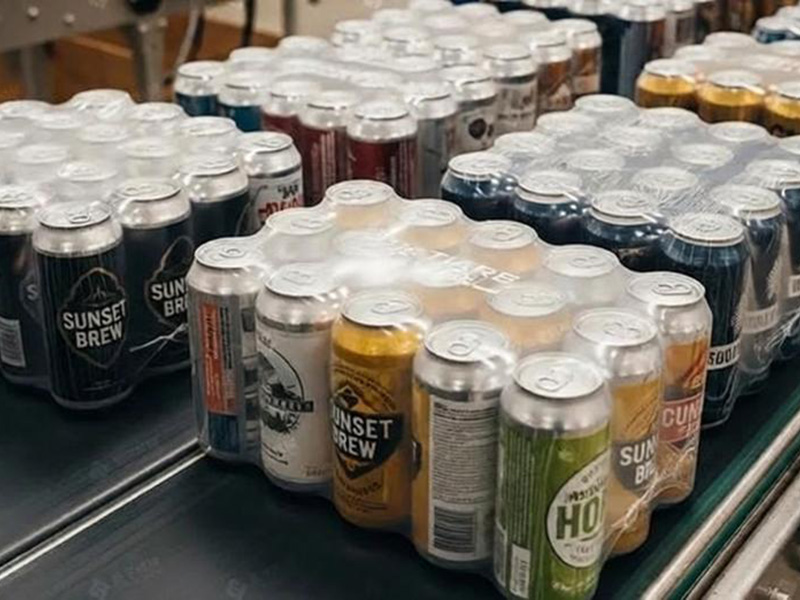
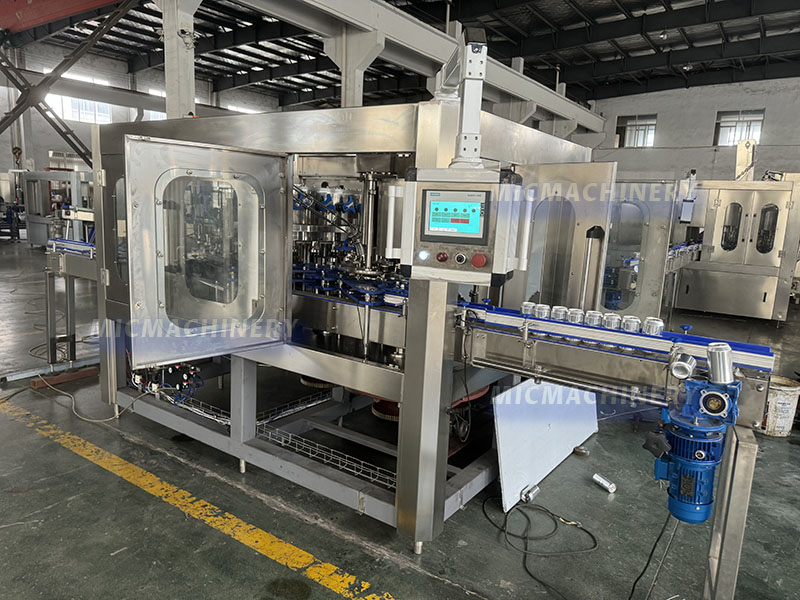
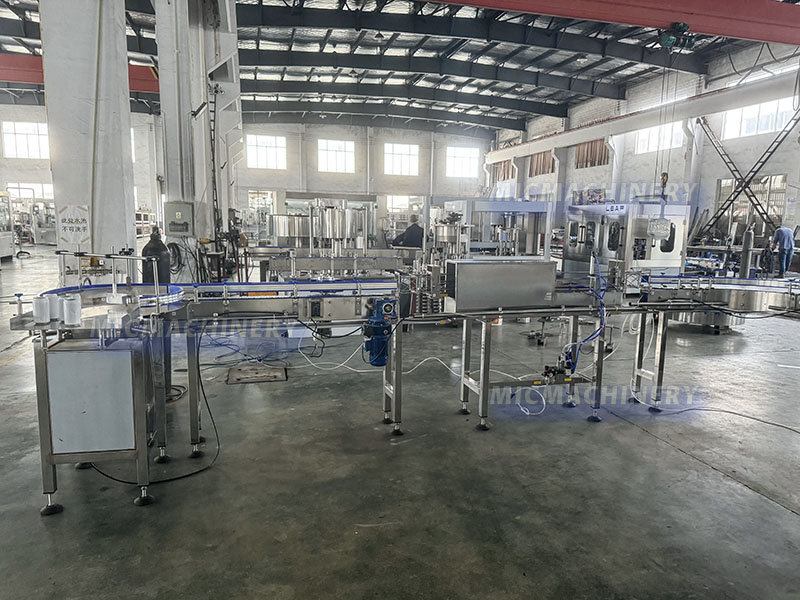
Beer Canning Filling Machine: How to Choose, Operate and Maintain It
Choosing the right beer canning filling machine requires more than comparing the advertised CPH or the number of filling heads. Breweries should evaluate beer characteristics, carbonation level, can format, filling technology, target capacity, sealing requirements, downstream processing, factory layout, and future expansion plans. For a new brewery or an existing plant upgrading its packaging section, the filling machine should be selected as part of an integrated production system rather than as a standalone piece of equipment.
This guide explains how beer canning filling works, what technical parameters matter during equipment selection, how different filling configurations compare, and how to approach maintenance and troubleshooting. It also connects the technical discussion with a real Germany project and Mic Machinery's complete 3000–6000CPH beer canning solution, giving procurement teams a practical framework for supplier evaluation.
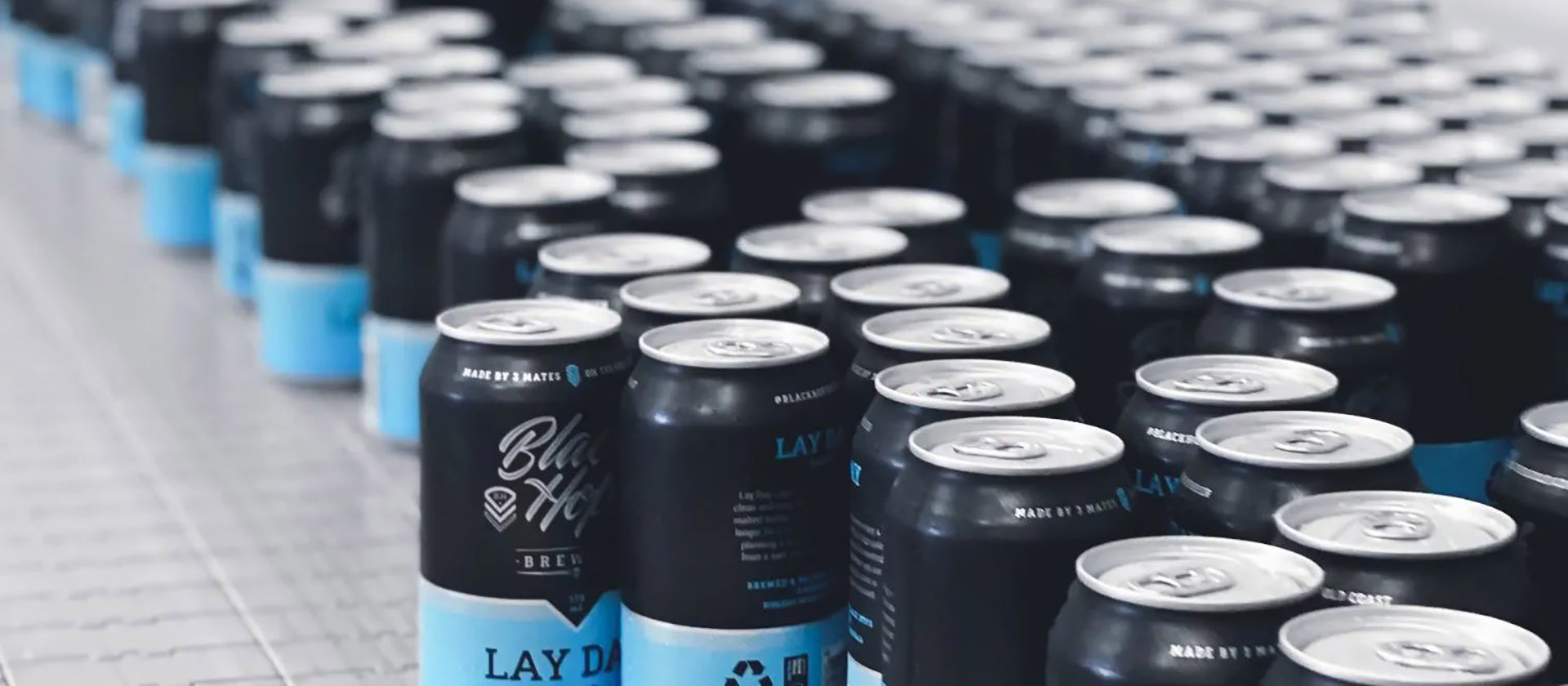
What Is a Beer Canning Filling Machine?
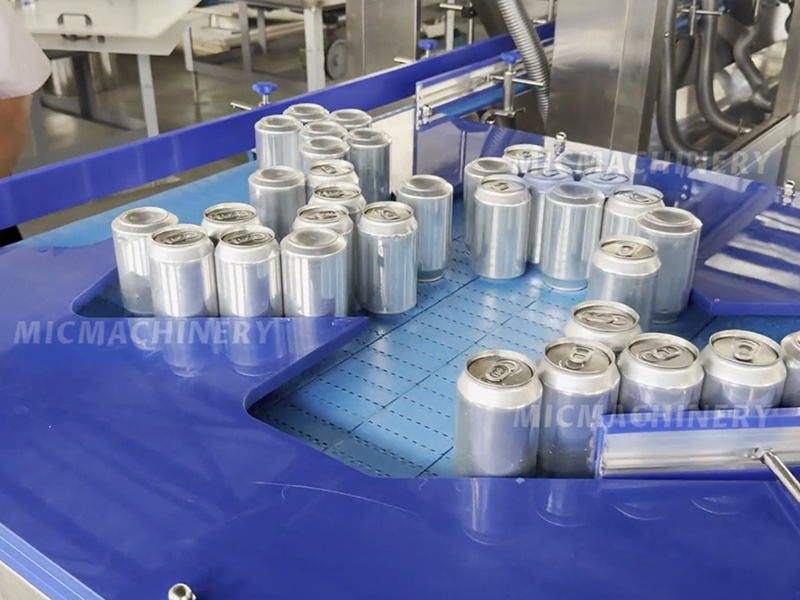
A beer canning filling machine is specialized equipment used to fill beer into aluminum cans under controlled process conditions before the cans are sealed. Because beer is carbonated, the filling process must account for pressure, temperature, dissolved CO₂, foaming behavior, and product flow stability.
A typical beer canning process can include:
Empty Can Handling → Can Preparation → Beer Filling → Can Seaming → Pasteurization if Required → Drying → Labeling → Coding → Secondary Packaging
The exact sequence depends on the brewery's product, packaging requirements, production capacity, and process validation.
Mic Machinery's beverage equipment portfolio includes filling machines for beer and carbonated beverages, while its complete production-line approach combines filling with downstream processing and packaging. The company's filling-machine range also includes carbonated beverage models with published capacities extending from lower-volume systems to configurations listed at 4000–6000BPH and above, although the appropriate model should always be confirmed against the actual project specification.
For customers moving beyond individual equipment procurement, the Complete Beer Canning Production Line 3000–6000CPH solution provides a broader production concept covering product preparation, can handling, filling and sealing, pasteurization, drying, labeling, coding, packaging, palletizing, and pallet wrapping.
Beer Canning Filling Machine vs. Other Beverage Filling Systems
Different beverage categories place different demands on filling equipment.
A supplier's claim that a machine can “fill beverages” is therefore not enough for a brewery procurement decision. Buyers should verify whether the machine is designed for carbonated beer, the intended aluminum can format, and the required production conditions.
Although beer canning is an important application, Mic Machinery's beverage filling equipment is designed for a much broader range of beverage production requirements. The product portfolio covers beer, fruit juice, carbonated drinks, soda, sparkling water, mineral water, and other cold or non-carbonated beverages.
From a packaging perspective, Mic Machinery also provides solutions for different container formats, including PET bottles, glass bottles, aluminum cans, metal cans, and other compatible beverage containers. Its current equipment range includes dedicated PET bottle filling machines, glass bottle filling machines, can filling machines, beverage bottling machines, and beverage canning machines.
This product-and-package flexibility is important when planning a new beverage factory or upgrading an existing production line. A manufacturer producing juice in PET bottles may require a different filling configuration from a brewery filling carbonated beer into aluminum cans, while a sparkling-water producer may need controlled-pressure filling technology. Mic Machinery therefore provides filling equipment across different product categories, container formats, and production capacities, with models ranging from smaller production systems to high-speed industrial configurations.
For customers moving from single-machine selection to complete beverage production planning, the equipment can also be integrated with rinsing, capping, labeling, packing, pasteurization, drying, depalletizing, palletizing, and other auxiliary systems. This makes it possible to develop a complete beverage bottling or canning solution around the customer's product, packaging material, target capacity, and factory requirements.
Whether you are researching a beer canning filling machine, juice bottling line, carbonated drink filling machine, soda canning system, or water bottling solution, selecting equipment by both beverage type and container format is the key to building a stable and scalable filling line.
Technical Specifications For More Model And Speed Click
|
Model
|
MIC 12-1
|
MIC 18-1
|
MIC 18-6
|
MIC 24-6
|
MIC 32-8
|
MIC 40-10
|
MIC 4-1-1
|
MIC Manual
|
|
Application
|
Beer, Carbonated Beverage, Gas Drinks, Sparking Water, And So On
|
|
Packing Type
|
Aluminum Cans, Metal Cans, Tin Cans, Pet Cans, etc
|
|
Speed
|
1000-2000 CPH
|
1000-2500 CPH
|
3000-6000 CPH
|
4000-8000 CPH
|
6000-10000 CPH
|
8000-15000 CPH
|
1000-1500 CPH
|
|
|
Filling Arrange
|
180ml, 250ml, 330ml, 355ml, 440ml, 500ml, 8oz, 12oz, 16oz, 1L and so on (0.1-1L)
|
|
Power
|
1.1KW
|
1.5KW
|
2.5KW
|
3.5KW
|
4.2KW
|
5.5KW
|
2.0-3.5KW
|
|
|
Size
|
1.8*1.3*1.95 (M)
|
1.9*1.3*1.95 (M)
|
2.3*1.4*1.9 (M)
|
2.58*1.7*1.8 (M)
|
2.8*1.7*1.95 (M)
|
3.0*1.9*2.1 (M)
|
2.2*1.15*2.05 (M)
|
5.75*5.5*4.8 (M)
|
|
Weight
|
1800KG
|
2100KG
|
2500KG
|
3000KG
|
3800KG
|
4500KG
|
550KG
|
15KG
|
Complete Beer Canning Production Line Breweries
If you are evaluating a beer canning filling machine for a new brewery or production expansion, the filling machine should be considered as part of a complete production system. Mic Machinery’s Complete Beer Canning Production Line integrates can depalletizing, beer filling and seaming, pasteurization, air-knife drying, labeling, laser batch coding, secondary packaging, palletizing, and pallet wrapping into one coordinated workflow. The solution is customized according to beer characteristics, can specifications, target capacity, factory space, automation requirements, and downstream packaging needs.
For breweries comparing turnkey beer canning filling plant suppliers, the project approach is especially important. Beyond machine selection, Mic Machinery can support production layout planning, equipment manufacturing, pre-shipment inspection, installation, commissioning, operator training, spare-parts support, and after-sales technical service. This helps new breweries and existing manufacturers upgrading their packaging departments evaluate the complete project from equipment configuration through final production.
Explore the Complete Beer Canning Production Line 3000–6000CPH | Mic Machinery to review the full equipment configuration, production flow, factory layout considerations, and project implementation process.
Real Project Reference: Germany Beer Canning Filling Line
Real project information gives procurement teams a more useful basis for comparing suppliers than generic specifications.
Mic Machinery's Germany project page documents a canned-beer filling application built around a 6000CPH target capacity, aluminum cans, and an 18-6 isobaric beer canning filling machine. The supporting configuration includes sterilization and can drying equipment, with the project positioned as a beer filling-line upgrade and production-expansion application.
The project addressed several practical customer requirements:
-
Low production efficiency
-
Insufficient production capacity
-
Improved hygiene and sterilization management
-
Reduced manual intervention
-
Better integration between production stages
The case page records the relationship between the beer product, aluminum-can format, filling technology, capacity, and supporting equipment, making it a useful reference for customers evaluating beer canning line supplier real projects.
Read the Germany Beer Can Filling Line Project Case to review the project configuration and application details.
Common Beer Canning Filling Problems and Troubleshooting
Excessive Foaming
Potential causes include:
High product temperature
Unsuitable pressure conditions
Unstable carbonation
Incorrect filling parameters
Filling-valve issues
Unstable product supply
Operators should check product temperature, carbonation, pressure, filling speed, and valve condition systematically before changing multiple parameters.
Inconsistent Fill Level
Possible causes include:
Unstable product pressure
Filling parameter errors
Valve contamination
Can positioning issues
Mechanical wear
The appropriate corrective action depends on the actual cause confirmed during inspection.
Can Seaming Problems
Possible causes include:
Incorrect seaming setup
Worn seaming components
Can or lid dimensional variation
Mechanical alignment issues
Seam inspection should form part of routine quality control.
Actual Output Is Lower Than Rated Capacity
When the actual line output is lower than the rated filling speed, inspect the complete system.
Possible bottlenecks include:
Can depalletizing
Filling
Seaming
Pasteurization
Drying
Labeling
Coding
Packing
Palletizing
Conveyor accumulation
This is one reason complete-line balancing is more important than comparing the CPH of the filler alone.
Beer Canning Machine Maintenance Guide
Regular preventive maintenance helps support stable filling performance and reduce unplanned downtime.
Daily Inspection
Operators should check:
Filling valves
Product-contact components
Can conveyors
Sensors
Pneumatic components
Seaming components
Leakage
Abnormal vibration or noise
Cleaning and sanitation should follow the machine manufacturer's operating instructions and the brewery's hygiene procedures.
Preventive Maintenance
Scheduled maintenance can include:
Seal and gasket inspection
Filling-valve inspection
Transmission-component checks
Pneumatic-system inspection
Sensor checks
Lubrication of designated components
Seaming-component inspection
Maintenance frequency should be determined according to operating hours, production conditions, equipment design, and manufacturer recommendations.
CIP Cleaning Considerations
Where the equipment design supports it, CIP can help clean product-contact circuits without requiring complete disassembly.
A typical cleaning sequence may include:
Pre-Rinse → Cleaning Solution Circulation → Intermediate Rinse → Sanitization Where Applicable → Final Rinse / Verification
Cleaning concentration, temperature, circulation time, and chemical selection should be determined according to the equipment materials and the brewery's validated cleaning procedures rather than copied from a generic recipe.
How to Plan a Beer Canning Factory Layout?
A complete beer canning production line should be considered during factory planning, before final machine positions are fixed.
A practical packaging flow can follow:
Empty Can Storage → Can Depalletizing → Beer Filling & Seaming → Pasteurization → Drying → Labeling & Coding → Secondary Packaging → Palletizing → Finished Goods Warehouse
Factory planning should account for:
Building length and width
Ceiling height
Door dimensions
Equipment maintenance space
Operator walkways
Electrical supply
Compressed air
Water
Drainage
Thermal-energy requirements
Finished-goods storage
Forklift routes
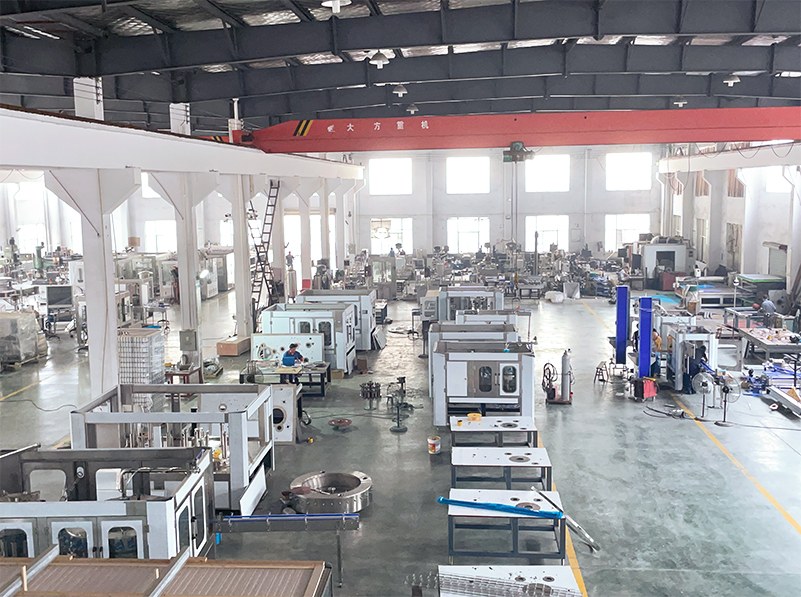
The Mic Machinery solution page notes that the final layout may be straight-line, U-shaped, or customized according to the building dimensions and production requirements. It also describes project implementation from equipment manufacturing and pre-shipment inspection through installation, commissioning, operator training, spare parts, and after-sales support.
How to Evaluate a Beer Canning Line Supplier
When comparing suppliers, procurement teams should look beyond machine pricing.
Product Compatibility
Can the supplier configure the machine for the actual beer and can format?
Capacity Matching
Does the complete line support the required CPH, including pasteurization, drying, packaging, and palletizing?
Engineering Integration
Can the supplier coordinate filling, seaming, thermal processing, conveyors, coding, labeling, and packaging?
Factory Planning
Can the supplier provide a practical production layout and utility requirements?
Project Installation
Does the supplier provide commissioning, operator training, and technical support?
Real Project Experience
Can the supplier show documented beer canning projects with identifiable countries, capacities, packaging formats, and equipment configurations?
These criteria are particularly relevant for customers comparing beer canning line supplier real projects rather than buying a single machine.
FAQ – Beer Canning Filling Machine
1.What is the best filling machine for canned beer?
The suitable machine depends on beer characteristics, carbonation, can format, target production capacity, filling technology, and downstream processing requirements. For carbonated beer, isobaric or controlled-pressure filling is an important consideration.
2.What capacity beer canning machine should I choose?
Capacity should be selected according to current production demand, brewing capacity, daily operating hours, future expansion, and the balanced capacity of downstream equipment.
3.Why does beer foam during filling?
Foaming can be affected by product temperature, carbonation, pressure conditions, filling speed, and machine settings. The actual cause should be confirmed through systematic process inspection.
4.Does every beer canning line require pasteurization?
No. Pasteurization requirements depend on the beer product, processing strategy, packaging conditions, and validated production requirements.
5.How often should a beer canning filling machine be maintained?
Daily inspections should be combined with preventive maintenance at intervals recommended by the equipment manufacturer and adjusted to actual operating conditions.
6.Can a beer canning filling machine be integrated into a complete production line?
Yes. It can be connected with can depalletizing, seaming, pasteurization, drying, labeling, coding, secondary packaging, palletizing, and pallet wrapping equipment.
Conclusion
Selecting a beer canning filling machine is a production-engineering decision rather than a simple equipment purchase. Breweries should evaluate the interaction between beer characteristics, carbonation, can format, filling technology, target capacity, sealing, pasteurization, drying, labeling, packaging, factory layout, maintenance, and after-sales support.
The Germany project documented by Mic Machinery provides a real reference for a 6000CPH canned-beer application using an 18-6 isobaric filling machine with sterilization and can-drying equipment. For larger production projects, Mic Machinery's complete solution is designed around a 3000–6000CPH capacity range and integrates filling with downstream processing and packaging.
For breweries planning a new canning department, expanding production, or comparing suppliers, the most useful evaluation method is to connect machine selection, complete-line configuration, factory layout, commissioning, and real project experience into one purchasing framework.
If you are planning a new brewery or upgrading an existing production line, provide your beer type, can size, target CPH, factory dimensions, and packaging requirements.
Contact Mic Machinery for customized beer canning filling machine selection, complete line configuration, and production layout advice.