Two water bottling quotations can show the same output and describe very different projects. One may cover only a rinser-filler-capper, while another includes treatment, bottle production, inspection, labeling, packing, utilities, and start-up support. Compare water bottle equipment on the same technical basis so the scope behind each price is clear before supplier selection.
Start with the finished bottle and saleable output
Define what the line must produce before comparing machine lists. The finished product determines the treatment route, container handling, filling method, closure system, labeler, secondary pack, inspection points, and utility demand.
Give every supplier the same project basis:
|
Project input
|
What to specify
|
Why it changes the quotation
|
|
Water product
|
Still or carbonated; intended water category; finished-water specification
|
Affects treatment, filling method, hygiene controls, and monitoring
|
|
Container
|
PET, glass, or returnable large bottle; volume; drawing; neck finish; bottle weight
|
Affects bottle supply, handling, change parts, rinsing, filling, and inspection
|
|
Closure
|
Cap type, dimensions, tamper-evident features, and application requirement
|
Affects cap feeding, capping heads, torque or application checks, and change parts
|
|
Label and code
|
Label material, application method, artwork size, and date or lot code
|
Affects drying, labeler type, coding system, and inspection
|
|
Shipping pack
|
Loose bottle, shrink bundle, tray, carton, crate, and pallet pattern
|
Affects packer, conveyors, pallet handling, and warehouse interfaces
|
|
Production duty
|
Saleable bottles by SKU, shifts, net production time, planned changeovers, and expansion formats
|
Sets the required sustained output and line balance
|
Calculate the rate from saleable demand:
Required saleable rate = saleable bottles required / net scheduled production hours
Net scheduled time excludes planned sanitation, format changes, maintenance, meal breaks, and other planned stops. State the assumptions in the RFQ. This prevents one supplier from quoting a short maximum-speed test while another designs for a longer production duty.
What should a complete water bottle equipment quote include?
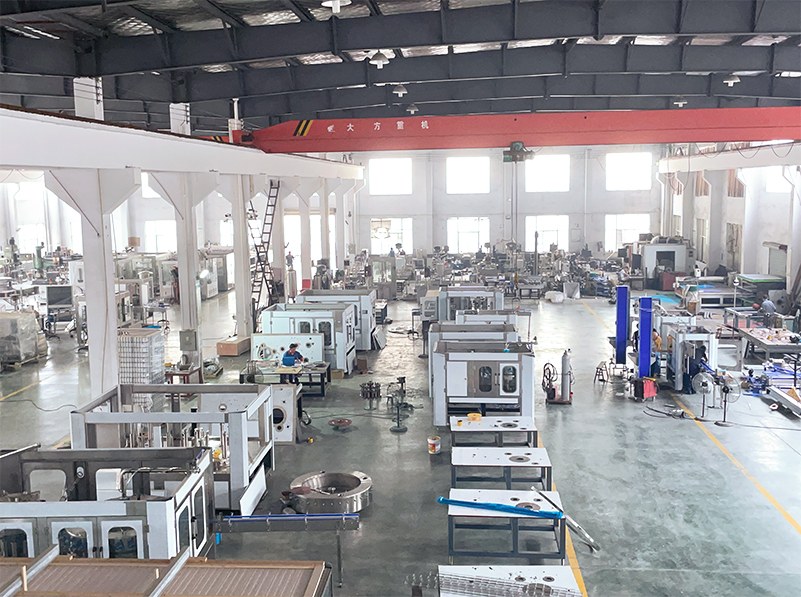
A complete line quotation should mark every item as included, optional, supplied by the buyer, or excluded. The MIC water filling line page shows a connected commercial sequence from treatment and bottle preparation through filling, labeling, packing, and pallet handling. Use that sequence as a scope checklist, then adapt it to the approved product and package.

Figure 1. A complete line quotation should connect every process module and material transfer point. Image source: MIC Water Filling Line.
|
Scope group
|
Possible equipment or deliverables
|
Questions for the supplier
|
|
Water preparation
|
Raw-water intake, treatment, treated-water storage, sanitary piping, pumps, instruments, and cleaning connections
|
Which source-water data and finished-water limits define this scope?
|
|
Bottle supply
|
Preform handling and blow molding, or empty-bottle receiving, depalletizing, unscrambling, and protected storage
|
Are bottles made on site or purchased? Which compressors, cooling systems, molds, and transfer equipment are included?
|
|
Filling and closing
|
Bottle rinsing or preparation, filler, cap feeder, capper, product tank, piping, and cleaning circuit
|
Which bottle, cap, water, and production conditions support the quoted output?
|
|
Inspection and coding
|
Bottle inspection, fill-level or mass check, cap check, leak test where required, coder, vision system, and reject station
|
What defects are detected, how is the device challenged, and where do rejects go?
|
|
Labeling and packing
|
Bottle drying, labeler, label inspection, shrink wrapper or case packer, conveyors, palletizer, and wrapper
|
Which approved label, pack pattern, film, carton, and pallet are used for the design?
|
|
Utilities and interfaces
|
Electrical distribution, compressed air, cooling, product and cleaning water, drainage, ventilation, and chemical connections
|
Which loads belong to the supplier, buyer, or local contractor?
|
|
Project deliverables
|
Layouts, drawings, manuals, software backup, spare-parts list, training, factory test, site test, and commissioning scope
|
Which documents and services are included in the base price?
|
The comparison table should also list quantities. A line described as "including conveyors" remains ambiguous until the quotation identifies conveyor sections, control boundaries, accumulation strategy, supports, guarding, and installation responsibility.
For a process-by-process view of the system, see How Bottled Water Is Manufactured: Equipment from Treatment to Packaging.
Check whether BPH means filler speed or complete-line output
Bottles per hour can describe an individual machine under stated conditions or the sustained output of the connected line. A valid comparison identifies which figure the quotation uses.
Ask each supplier to define:
- the bottle volume, shape, material, neck, and weight used for the rating;
- the water product and fill condition;
- the cap, label, secondary pack, and pallet pattern;
- the run duration and acceptable stops during the test;
- the basis for rejects, rework, and saleable output;
- the slowest machine and the buffer or accumulation strategy;
- the effect of each additional SKU and format change.

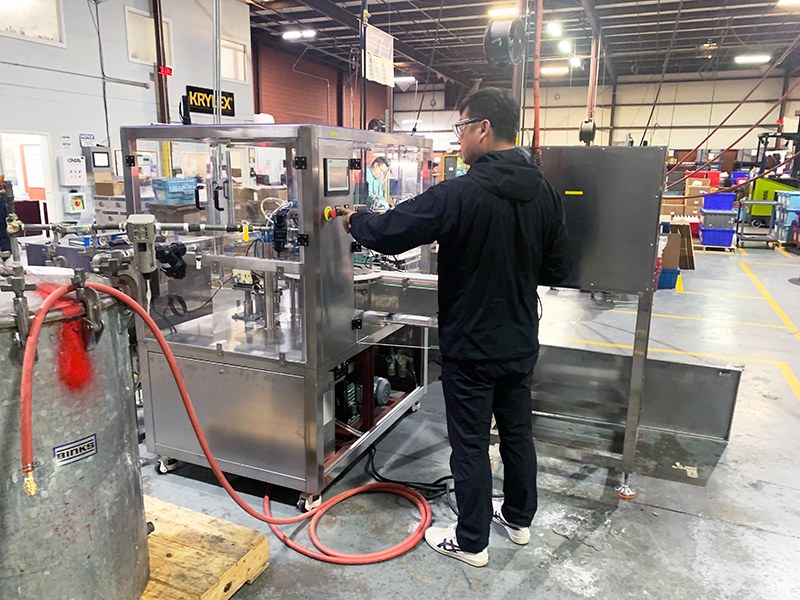
Figure 2. A filler rating becomes comparable only when the bottle, cap, product, run condition, and downstream scope are defined. Image source: MIC Water Filling Line.
Line output still depends on the labeler, packer, compressor, treatment system, and bottle supply. Request a speed table for every approved SKU and a separate guaranteed line-performance statement. The guarantee should identify test materials, measurement points, run time, allowable planned stops, reject treatment, and the acceptance calculation.
For equipment-level selection factors such as capacity, bottle specification, water product, layout, and maintenance, use MIC's separate guide to choosing a water filling machine.
Match the equipment to the water, bottle, closure, and pack
Equipment selection starts with the product and package. Compare each proposal against the same specifications.
Water type and filling method
Still water commonly uses gravity or normal-pressure filling. Carbonated water needs a pressure-controlled process that manages dissolved gas. Flavored or functional water may introduce ingredients, sanitation, or shelf-life controls that do not belong in a standard still-water assumption. Give the supplier the finished formulation and process specification instead of using "water" as the only product description.
Bottle material and size
Lightweight PET, rigid glass, and returnable large bottles need different transfer, support, inspection, and cleaning arrangements. Even two PET bottles with the same nominal volume can require different handling because their shape, base, neck, and weight differ. Freeze the bottle and neck drawings before the supplier releases change parts and final machine drawings.
Bottle supply route
On-site PET bottle production adds preform feeding, heating, molds, high-pressure air, cooling, bottle inspection, and transfer to the filler. Purchased empty bottles replace those machines with receiving, protected storage, depalletizing or unscrambling, and internal logistics. Compare the operating and space consequences of both routes within the same project boundary.
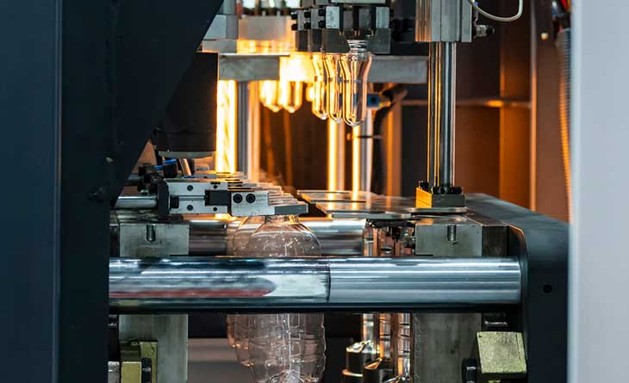
Figure 3. On-site bottle production changes the equipment scope, utilities, layout, and quality checks in the quotation. Image source: MIC Water Filling Line.
Closure, label, and shipping pack
Confirm the cap material, geometry, feed method, application requirement, and inspection method. Then specify the label and finished transport pack. A wet bottle surface can affect label application or coding, while a light bottle may need careful pack compression and pallet support. The approved materials should be available for supplier testing before the design is accepted.
Audit utilities, layout, and local responsibilities
Equipment prices are difficult to compare when one supplier includes auxiliary systems and another leaves them to local contractors. Build a responsibility matrix that names the party responsible for design, supply, installation, connection, testing, and documentation at every interface.
The utility schedule should state, for each machine:
- electrical voltage, frequency, connected load, and expected operating load;
- compressed-air pressure, quality, and flow, with separate duties for service air and bottle blowing where applicable;
- process water, product water, cleaning water, and cooling-water requirements;
- drainage flow, temperature, chemistry, and connection points;
- ventilation, heat rejection, ozone handling, and chemical-storage requirements where applicable;
- network, controls, data, and remote-access interfaces if they are in scope.
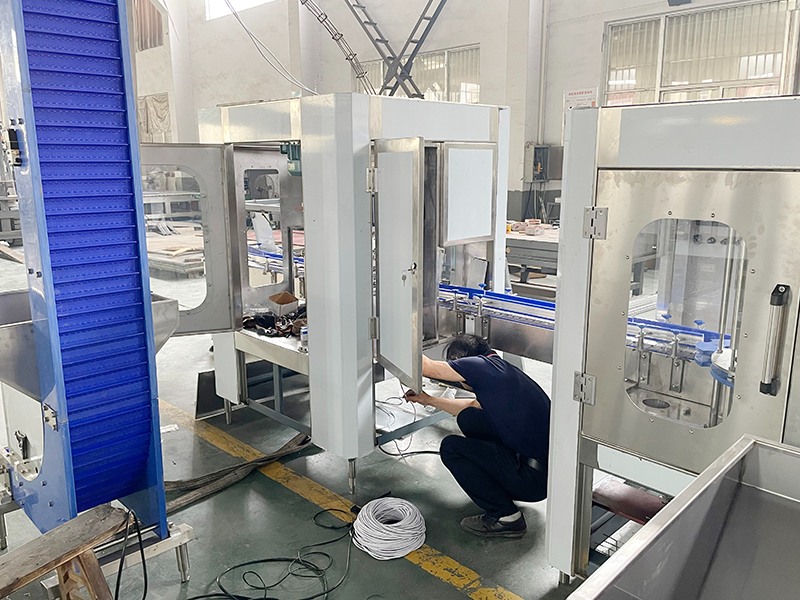
Figure 4. Treatment and utility scope should follow the source-water analysis, finished-water target, and responsibility matrix. Image source: MIC Water Filling Line.
Request a dimensioned layout with operating access, maintenance clearances, lifting routes, chemical handling, bottle and packaging-material flow, reject removal, and finished-goods movement. A machine may fit inside the building footprint while leaving too little space to replace a component or move pallets safely.
Compare hygiene, cleaning, changeover, and maintenance
The United States Food and Drug Administration requires bottled water to be processed, bottled, held, and transported under sanitary conditions. FDA regulatory guidance also points bottled-water producers to 21 CFR Part 129 for processing and bottling requirements and to 21 CFR 165.110 for bottled-water identity and quality. Treat these rules as project inputs for the facility and quality system, then ask the equipment supplier to document how the proposed design supports the approved sanitation plan.
Review these points in each quotation:
- product-contact boundaries and materials;
- drainability, dead-leg control, tank and pipe access, and cleaning coverage;
- cleaning sequence, chemicals, concentrations, temperature, time, and verification method as defined by the plant's approved procedure;
- cap and bottle protection before closing;
- hygienic zoning and operator access around open containers;
- format-change procedure, change parts, tools, calibration, and restart checks;
- preventive-maintenance tasks, lubrication points, wearing parts, and access time;
- recommended commissioning and operating spare parts, with part numbers and lead-time status.
The IBWA Code of Practice can supplement the regulatory review with bottled-water industry practices. Apply the legal and customer requirements for the plant, market, water category, and package in the final specification.
Define FAT, SAT, documentation, training, and acceptance
Acceptance criteria turn a quotation into a testable commitment. Define them before the purchase order, while the buyer can still compare suppliers on the same basis.
|
Acceptance item
|
Define before ordering
|
Evidence to retain
|
|
Factory acceptance test (FAT)
|
Test material, bottle, cap, label, pack, run time, rate, stops, rejects, safety checks, and witness responsibilities
|
Approved protocol, raw results, deviation list, photos or video, and signed report
|
|
Site acceptance test (SAT)
|
Installed scope, utilities, product conditions, line interfaces, run plan, saleable-output calculation, and open-item closure
|
Commissioning records, test report, punch list, and final acceptance status
|
|
Documentation
|
Layouts, process and instrumentation diagrams where applicable, electrical drawings, manuals, parts lists, software backup, certificates supplied with the equipment, and maintenance schedules
|
Controlled document index with revision status
|
|
Training
|
Audience, topics, language, duration, operating materials, maintenance tasks, and competency check
|
Attendance, training material, and completed assessment where required
|
|
Spares and service
|
Commissioning spares, operating spares, recommended stock, response route, remote-support prerequisites, and exclusions
|
Itemized list, commercial terms, contact route, and support boundary
|
FAT and SAT serve different purposes. FAT checks the agreed equipment and functions before shipment. SAT checks the installed system with the actual site utilities and connected equipment. The purchase contract should state what happens when a result misses the acceptance limit, including correction, retest, and responsibility for added cost.
Build an RFQ that produces comparable quotations
Send the same RFQ package to each shortlisted supplier:
- Source-water analysis, source conditions, finished-water specification, intended water category, and sales market.
- Bottle or preform drawings and samples, neck finish, cap, label, code, secondary pack, pallet, and transport conditions.
- Saleable output by SKU, production calendar, shifts, net scheduled time, format-change plan, and possible future formats.
- Factory drawing, available floor space, hygiene zones, ambient conditions, access routes, and warehouse interfaces.
- Utility conditions and limits, including electricity, air, water, cooling, drainage, ventilation, and data connections.
- Required equipment scope, local supply scope, installation division, documentation, training, and spare parts.
- FAT and SAT protocol requirements, performance definitions, reporting, approvals, and responsibility matrix.
Ask suppliers to return a completed compliance table with their quotation. A response should mark every requirement as compliant, alternative, optional, excluded, or requiring clarification. Record deviations beside the relevant clause instead of collecting them in general sales notes.
Use a water bottle equipment comparison scorecard
Score only items supported by quotation text, drawings, test plans, or other traceable evidence. Apply project-specific weights according to technical and commercial risk.
|
Comparison area
|
Evidence to compare
|
Typical risk if unclear
|
|
Limits of supply
|
Itemized equipment list, quantities, boundaries, and exclusions
|
Missing machines, duplicate local purchases, or change orders
|
|
Performance basis
|
SKU speed table, line balance, test duration, reject definition, and saleable-output formula
|
A headline BPH figure that the connected line cannot sustain
|
|
Package fit
|
Approved bottle, neck, cap, label, pack, pallet, and change parts
|
Jams, unstable transfer, poor label or pack quality, and long changeovers
|
|
Utilities and layout
|
Load list, connection schedule, dimensioned layout, and responsibility matrix
|
Unplanned infrastructure cost or insufficient services
|
|
Hygiene and maintenance
|
Design details, cleaning method, access, inspection points, and maintenance plan
|
Difficult sanitation, extended downtime, or uncontrolled interfaces
|
|
Acceptance
|
FAT/SAT protocol, limits, evidence, deviation process, and retest terms
|
Disputes about whether the system meets the order
|
|
Documentation and support
|
Document index, training scope, spare-parts list, and service boundary
|
Slow start-up, weak maintenance readiness, or unsupported expectations
|
Keep price as a separate commercial column. Evaluate the total after the technical scope, local responsibilities, acceptance basis, payment terms, delivery boundary, and unresolved deviations are visible.
Final thoughts
Compare complete water line proposals against one finished package, one saleable-output basis, and one responsibility matrix. To prepare a project review with MIC, share the water specification, bottle and closure drawings, SKU plan, target output, packing format, factory layout, and available utilities through the MIC water filling line page.
Frequently asked questions
What equipment is included in a complete water bottling line?
A complete scope may include water treatment and storage, bottle blowing or empty-bottle handling, rinsing, filling, capping, inspection, coding, labeling, secondary packing, conveyors, pallet handling, utilities, controls, and project deliverables. The exact list depends on the water, bottle, closure, output, package, and buyer-supplier responsibility split.
What is the difference between a water filling machine and a complete water bottling line?
A water filling machine performs the filling operation and may combine rinsing and capping in one monoblock. A complete line also connects the required upstream bottle and water preparation with downstream inspection, labeling, coding, packing, conveying, and material handling.
Can one water bottling line handle multiple bottle sizes?
It can handle only the formats covered by its approved design and change parts. Ask for a speed and changeover table for every bottle, neck, cap, label, and pack format. Confirm which changes need mechanical parts, recipe changes, recalibration, or additional equipment.
How should buyers compare BPH claims from different suppliers?
Use the same bottle, product, cap, label, pack, run duration, planned-stop rules, and reject definition. Separate the filler's rated speed from the guaranteed saleable output of the connected line. Put the calculation and test method into the RFQ and acceptance protocol.
What information should be sent with a water bottle equipment RFQ?
Send the water specification and source analysis, bottle or preform drawing, cap, label, secondary pack, SKU output plan, factory layout, utility conditions, local supply boundary, and FAT/SAT requirements. Physical samples should follow when the supplier begins technical validation.