How to Choose the Right Drink Filling Machine for Your Beverage Factory?
Choosing the right drink filling machine depends on more than filling speed. Beverage manufacturers should evaluate the drink type, bottle material and size, filling technology, target capacity, automation level, cleaning requirements, factory layout, and future production plans before selecting equipment. For a new beverage factory or an expanding production plant, the right filling solution should also connect smoothly with rinsing, capping, labeling, coding, and packaging equipment to create a complete and stable drink filling line.
This guide explains how to select a suitable machine, how the filling process works, which machine types to consider, and what to check before purchasing beverage filling equipment.
What Is a Drink Filling Machine?
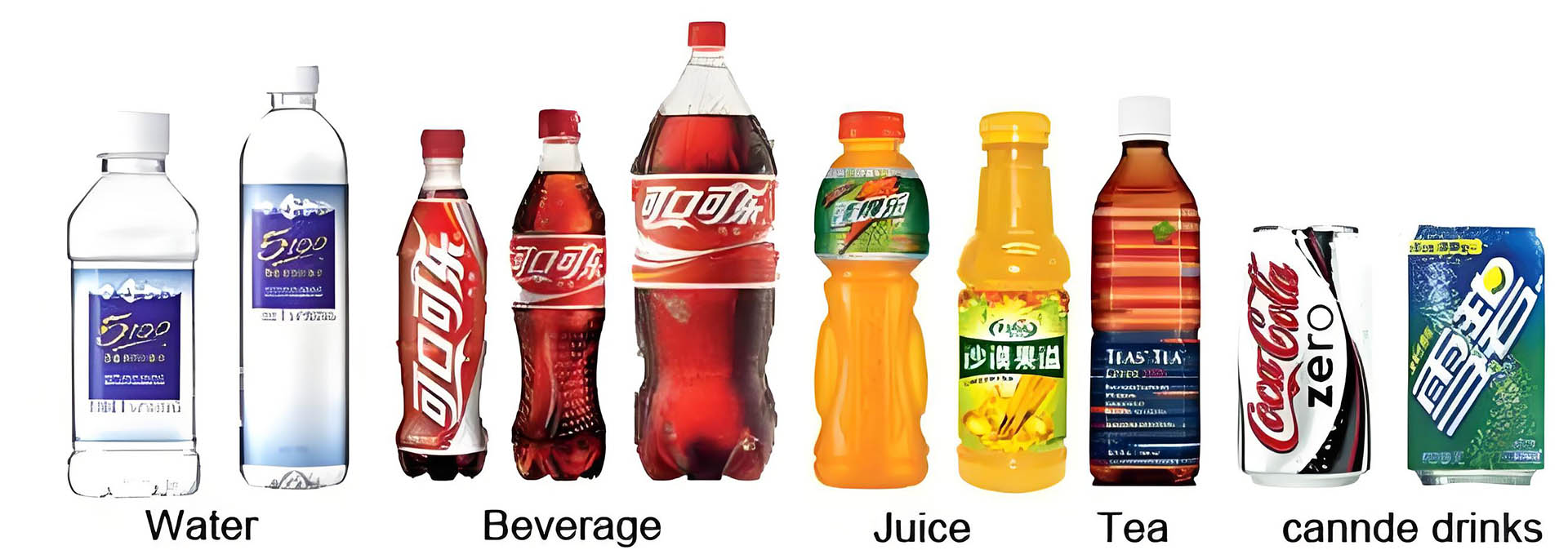
A drink filling machine is industrial equipment designed to transfer beverages into bottles or other containers at a controlled volume and production speed. Depending on the product, the equipment can be configured for non-carbonated drinks, juice, tea beverages, bottled water, functional drinks, and carbonated beverages.
A complete beverage production system may connect:
Bottle Preparation → Rinsing → Filling → Capping → Coding → Labeling → Packaging
The filling machine is therefore not an isolated piece of equipment. Its performance needs to match the upstream bottle-handling system and downstream packaging equipment.
For customers planning a complete production project, Mic Machinery provides drink filling machine solutions that can be integrated into customized beverage production lines.
What Factors Should You Consider When Choosing a Drink Filling Machine?
There is no single filling machine that is suitable for every beverage factory. The machine model should be selected according to actual production requirements.
1. Beverage Type
Start with the product itself.
Different drinks have different filling characteristics:
Bottled water
Fruit juice
Tea beverages
Non-carbonated drinks
Functional beverages
Carbonated soft drinks
For example, non-carbonated products may use normal-pressure filling technology, while juice products may require hot filling depending on the formulation and processing requirements. Carbonated beverages require a filling system designed to manage product carbonation and pressure conditions.
Therefore, beverage type should be one of the first factors considered when choosing a drink filling machine.
2. Bottle Material and Size
Bottle specifications directly affect machine configuration.
Important factors include:
PET or glass bottle
Bottle volume
Bottle height and diameter
Neck size
Cap type
Bottle shape
The filling machine, capping machine, conveyor, and labeling equipment should all be compatible with the selected bottle format.
If a factory expects to produce multiple bottle sizes, it is also important to consider changeover requirements before purchasing the equipment.
3. Production Capacity
Capacity is normally expressed in bottles per hour, or BPH.
For example, a beverage project may require a 500BPH, 1000BPH, or 2000BPH production line.
However, selecting equipment based only on the highest possible BPH is not always economical.
The actual production target should also consider:
Bottle volume
Daily production target
Working hours
Number of production shifts
Product changeovers
Expected future demand
Factory expansion plans
A startup factory may prioritize a compact and cost-effective system, while an established manufacturer may need a higher-automation solution with greater expansion potential.
4. Filling Technology
The filling method should match the beverage process.
Common options include:
| Filling Technology |
Typical Application |
| Normal Pressure Filling |
Non-carbonated drinks |
| Hot Filling |
Juice, tea and selected heat-process beverages |
| Carbonated Filling |
Soda and carbonated drinks |
| Specialized Filling |
Products requiring specific process conditions |
When comparing filling technologies, consider the beverage formulation, processing temperature, packaging material, shelf-life requirements, and production process.
What Are the Main Types of Drink Filling Machines?
Understanding machine types makes equipment selection easier.
Carbonated Bottled Drink Filling Machine:
|
Model
|
MIC 12-12-1
|
MIC 18-18-1
|
MIC 18-18-6
|
MIC 24-24-6
|
MIC 24-24-8
|
MIC 32-32-8
|
MIC Semi Automatic
|
MIC 18-18-6
|
|
Application
|
Beer, Carbonated Beverage, Gas Drinks, Sparking Water, And So On
|
|
Packing Type
|
Glass Bottle, Aluminum Bottle,, etc
|
PET Bottle
|
|
Speed
|
600-1000 BPH
|
1000-1500 BPH
|
2000-4000 BPH
|
3000-5000 BPH
|
4000-6000 BPH
|
6000-10000 BPH
|
200-800 BPH
|
2000-3000BPH
|
|
Filling Arrange
|
180ml, 250ml, 330ml, 355ml, 440ml, 500ml, 8oz, 12oz, 16oz, 1L and so on (0.1-1L)
|
|
Power
|
1.5KW |
2KW |
3KW |
3.5KW
|
4KW
|
5KW
|
0.3KW
|
/
|
|
Size
|
2.1*1.5*2.2 (M) |
2.2*1.6*2.2 (M) |
2.4*1.8*2.2 (M) |
2.5*1.9*2.3 (M)
|
2.5*2*2.3 (M)
|
3.2*2.2*2.3 (M)
|
2.0*0.7*2.0 (M)
|
/
|
|
Weight
|
1000KG |
1500KG |
2000KG |
2500KG
|
2800KG
|
3500KG
|
150KG
|
/
|
Non-carbonated Bottled Drink Filling Machine:
|
Model
|
MIC 12-1
|
MIC 8-8-3
|
MIC 14-12-5
|
MIC 18-18-6
|
MIC 24-18-6
|
MIC 32-32-8
|
MIC Linear
|
|
Application
|
Juice, Cold Coffee, Herbal Tea, Non-carbonated Drinks And So On
|
|
Packing Type
|
Glass Bottle, Aluminum Bottle, PET Bottle, etc
|
|
Speed
|
500-1000BPH
|
600-1000BPH
|
1000-2000BPH
|
2000-5000BPH
|
5000-12000BPH
|
8000-12000BPH
|
1800BPH
|
|
Filling Arrange
|
180ml, 250ml, 330ml, 355ml, 440ml, 500ml, 8oz, 12oz, 16oz, 1L and so on (0.1-1L)
|
Carbonated Can Drink Filling Machine:
|
Model
|
MIC 12-1
|
MIC 18-1
|
MIC 18-6
|
MIC 24-6
|
MIC 32-8
|
MIC 40-10
|
MIC 4-4-1
|
MIC Semi Automatic
|
|
Application
|
Beer, Carbonated Beverage, Gas Drinks, Sparking Water And So On
|
|
Packing Type
|
Aluminum Cans, Metal Cans, Tin Cans, PET Cans, etc
|
|
Speed
|
1000-2000CPH
|
1000-2500CPH
|
3000-6000CPH
|
4000-8000CPH
|
6000-10000CPH
|
8000-15000CPH
|
1000-1500CPH
|
|
|
Filling Arrange
|
180ml, 250ml, 330ml, 355ml, 440ml, 500ml, 8oz, 12oz, 16oz, 1L and so on (0.1-1L)
|
|
Power
|
1.1KW
|
1.5KW
|
2.5KW
|
3.5KW
|
4.2KW
|
5.5KW
|
2.0-3.5KW
|
|
|
Size
|
1.8*1.3*1.95 (M)
|
1.9*1.3*1.95 (M)
|
2.3*1.4*1.9 (M)
|
2.58*1.7*1.8 (M)
|
2.8*1.7*1.95 (M)
|
3.0*1.9*2.1 (M)
|
2.2*1.15*2.05 (M)
|
5.75*5.5*4.8 (M)
|
|
Weight
|
1800KG
|
2100KG
|
2500KG
|
3000KG
|
3800KG
|
4500KG
|
550KG
|
15KG
|
Non-carbonated Can Drink Filling Machine:
|
Model
|
MIC 12-1
|
MIC 18-6
|
MIC 24-6
|
MIC 32-8
|
MIC 40-10
|
|
Application
|
Juice, Cold Coffee, Herbal Tea, Non-carbonated Drinks And So On
|
|
Packing Type
|
Aluminum Cans, Tin Cans, PET Cans, etc
|
|
Speed
|
1000-2000CPH
|
4000-7000CPH
|
4000-8000CPH
|
10000CPH
|
12000CPH
|
|
Filling Arrange
|
130ml,250ml, 330ml, 355ml, 500ml, 120z, 16oz, 1L and so on (0.1-1L)
|
|
Power
|
1.1KW
|
2.5KW
|
3.5KW
|
4.2KW
|
5.5KW
|
|
Size
|
1.8*1.3*1.95 (M)
|
2.3*1.4*1.9 (M)
|
2.58*1.7*1.8 (M)
|
2.8*1.7*1.95 (M)
|
3.0*1.9*2.1 (M)
|
|
Weight
|
1800KG
|
2500KG
|
3000KG
|
3800KG
|
4500KG
|
From Machine Selection to a Complete Drink Bottling Line
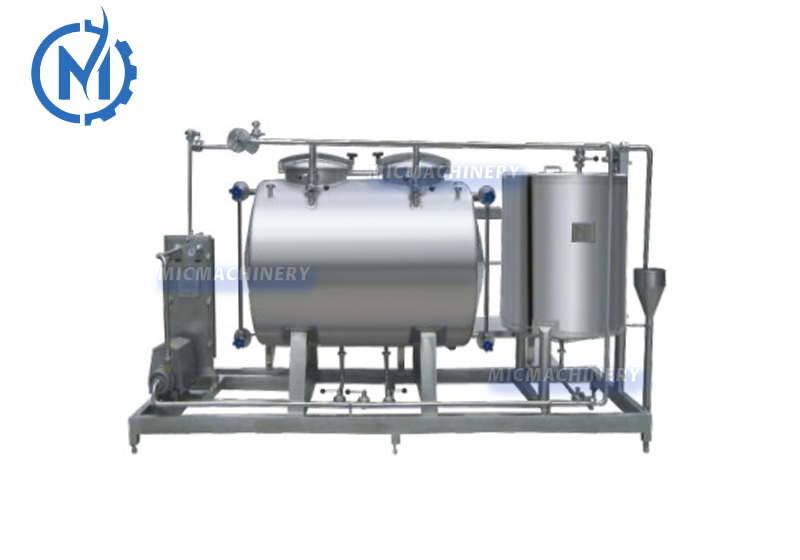
Selecting a drink filling machine is only the first step in planning a beverage production project. For new factories and production expansion projects, a complete drink bottling filling line should also consider bottle handling, water treatment, filling and capping, labeling, packaging, CIP cleaning, factory layout, installation, and commissioning. Mic Machinery provides customized turnkey drink filling plant solutions from 500BPH to 2000BPH, with equipment configuration based on beverage type, bottle specifications, target capacity, automation requirements, and available factory space. The solution can support bottled water, juice drinks, tea beverages, functional drinks, carbonated beverages, and other liquid products. For customers planning a complete project rather than purchasing a standalone machine, explore the Drink Turnkey Bottling Production Line to learn about full-line configuration, production flow, factory layout, CIP cleaning, installation, commissioning, and after-sales technical support.
Drink Filling Machine Maintenance and CIP Cleaning
Regular maintenance is important for stable production and consistent filling performance.
Daily Maintenance
Operators should routinely inspect:
Filling valves
Product-contact components
Conveyor system
Sensors
Air supply
Machine alarms
Electrical connections
After production, product-contact components should be cleaned according to the equipment's operating instructions.
What Is CIP Cleaning?
CIP, or Clean-In-Place, is a cleaning method designed to clean relevant product-contact components and pipelines without requiring complete equipment disassembly.
A typical CIP sequence may include:
Pre-Rinse → Alkaline Cleaning → Intermediate Rinse → Acid Cleaning → Final Rinse → Sanitization
The actual cleaning procedure, chemical concentration, temperature, circulation time, and sequence should be determined according to the machine design, beverage characteristics, cleaning requirements, and validated production procedures.
CIP can help beverage manufacturers reduce manual cleaning work and maintain consistent hygiene management.
What Should a New Beverage Factory Plan Before Purchasing?
A new beverage plant should consider the production line before ordering equipment.
Factory Space
The layout should reserve space for:
Raw material handling
Water treatment
Beverage preparation
Filling equipment
Labeling and packaging
Finished product storage
Operator access
Maintenance access
Utilities
The project may require planning for:
Electricity
Compressed air
Process water
Drainage
Cleaning systems
Production ventilation
Future Expansion
If production is expected to increase, the initial layout should leave sufficient space for additional equipment or higher-capacity systems.
This is particularly important when planning a 500–2000BPH drink filling line, because a factory may start with lower output and expand as market demand increases.
Drink Filling Machine Project Example
Real project cases can help manufacturers understand how equipment is applied in an actual production environment.
Mic Machinery's Australia beverage project provides an example of a drink filling line configured around a defined production requirement and beverage application. Reviewing project information can help potential buyers understand equipment integration, production planning, and project implementation.
See the Australia drink filling line project case for a practical reference.
FAQ About Drink Filling Machines
1.What is the best drink filling machine for a beverage factory?
There is no universal best machine. Selection depends on beverage type, bottle format, capacity, filling technology, automation requirements, cleaning requirements, and production plans.
2.How do I choose the capacity of a drink filling machine?
Start with your required bottles per hour and daily production target, then consider working hours, shifts, changeover time, and future demand.
3.What is the difference between a filling machine and a bottling line?
A filling machine primarily performs the liquid filling operation. A complete bottling line integrates filling with bottle handling, capping, labeling, coding, packaging, and related systems.
4.Does a drink filling machine require CIP cleaning?
CIP can be integrated into beverage filling systems where the equipment and production process require clean-in-place procedures. The exact cleaning method depends on the machine and beverage application.
5.How often should a drink bottling machine be maintained?
Maintenance frequency depends on operating hours, product characteristics, equipment configuration, and manufacturer recommendations. Daily inspections and scheduled preventive maintenance should both be included.
6.Can a drink filling machine be customized?
Yes. A beverage filling solution can be configured according to beverage type, bottle size, target capacity, automation level, filling technology, and factory requirements.
Conclusion: Choose the Filling Machine Around the Entire Project
Choosing a drink filling machine should begin with the beverage and production requirements rather than a machine model alone. Product characteristics, bottle format, filling technology, capacity, automation, CIP cleaning, maintenance, factory layout, and future expansion all influence the final configuration.
For a single-machine requirement, the focus may be filling performance and compatibility. For a new beverage factory or expansion project, it is more effective to evaluate the complete drink filling line, including filling, capping, labeling, coding, packaging, utilities, layout, installation, and after-sales support.
Need Help Choosing a Drink Filling Machine?
Tell Mic Machinery your beverage type, bottle size, target capacity, filling requirements, and factory plans. Our team can help evaluate the appropriate equipment configuration and complete production solution.
Contact Mic Machinery for Professional Drink Filling Machine Selection Advice.